
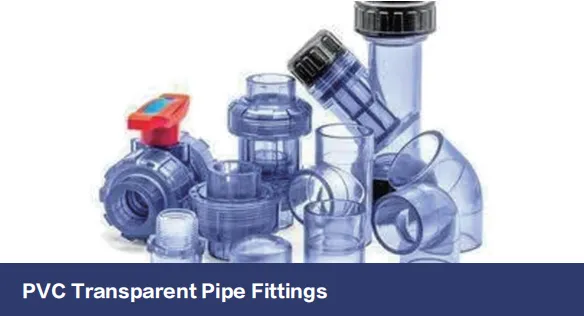
Your practical guide to preventing pipe failures and protecting your systems
Let's start simply: A fluid isn't just liquid—it's anything that flows or changes shape under pressure. Think gases like compressed air, viscous liquids like syrups, even slurries. This matters because PVC responds differently to each!
Picture this: You're setting up a new brewery and decide to use clear PVC pipes to monitor your amber ale flowing through the system. A week later, you notice cloudiness developing. By month's end, small cracks appear near joints. What happened? The hops' acidic nature quietly degraded your pipes from the inside out.
This isn't hypothetical – I've seen dozens of installations fail from overlooked chemical compatibility issues. PVC may seem sturdy, but it's surprisingly vulnerable to:
⚠️ Pro Tip: When planning pipe fittings systems, remember UV exposure transforms clear PVC into brittle, yellowed plastic. Always shield outdoor runs with protective wraps.
This table distills 20+ years of industry testing data. Pay attention to the / / ratings – they've saved my clients thousands in replacement costs.
| Chemical | Concentration | Temp Limit (°C) | Compatibility | Real-World Notes |
|---|---|---|---|---|
| WATER-BASED FLUIDS | ||||
| Potable Water | 100% | 60 | Excellent | Ideal for residential plumbing. Maintains clarity for decades. |
| Salt Water (Sea Water) | 3-5% salinity | 50 | Excellent | Marine applications OK but avoid prolonged UV exposure. |
| Vinegar (Acetic Acid) | ≤5% | 25 | Good | Food processing acceptable at low concentrations. |
| Bleach (Sodium Hypochlorite) | ≤1% | 25 | Fair | Pool systems: Limit exposure & flush after shocks. Higher concentrations will cause catastrophic failure. |
| FUELS & PETROCHEMICALS | ||||
| Gasoline | 100% | 25 | Not Recommended | Will cause severe swelling in just hours. Emergency venting only. |
| Diesel Fuel | 100% | 40 | Poor | Storage tank overflow monitoring only - limited contact time. |
| Hydraulic Oil (Mineral) | 100% | 50 | Fair | Industrial visual flow indicators OK with annual replacement. |
| INDUSTRIAL CHEMICALS | ||||
| Sulfuric Acid | ≤30% | 25 | Fair | Drain cleaning use: Maximum 2 hour exposure at this concentration. |
| Hydrochloric Acid (Muriatic) | ≤10% | 30 | Not Recommended | Even 5% solution caused catastrophic failures in pool acid dosing tests. |
| Acetone | Any % | N/A | Not Recommended | Will dissolve PVC within minutes – never transport solvents! |
| Ammonia Solutions | ≤10% | 40 | Good | Agricultural applications: Verify no solvent additives present. |
| FOOD & BEVERAGE | ||||
| Beer/Wine | 100% | 15 | Excellent | Short-run microbreweries love visibility but avoid hot CIP fluids. |
| Citrus Juices | 100% | 5 | Fair | Lemon juice concentrate requires CPVC instead. Standard OJ is borderline. |
| Vegetable Oil | 100% | 50 | Good | Commercial fryer oil return lines work beautifully for monitoring. |
| SPECIALTY APPLICATIONS | ||||
| Compressed Air | N/A | 50 | Excellent | Perfect for pneumatic controls but add coalescing filters – oil aerosols damage PVC. |
| Swimming Pool Water | pH 7.2-7.8 | 35 | Good | Standard residential pools fine. Commercial pools need schedule 80 thickness. |
| Photochemicals | Varies | 25 | Not Recommended | Most developer/fixer solutions contain PVC-degrading compounds. |
Critical Reminder: Ratings assume NEW pipe condition. As PVC pipe fitting systems age, chemical resistance decreases – especially with thermal cycling. Always include 200% safety margins for critical applications.
These ratings come from lab testing but translate to real-world use:
= "Sleep well at night" territory. The chemical won't harm PVC even after years of continuous contact. These applications are what transparent PVC was made for – think water lines where you want to spot debris or algae buildup.
= Proceed with caution. My rule of thumb? If the fluid could etch drinking glass, it's likely degrading PVC too. Set inspection reminders every 6 months. Look for:
= Abort mission. Even when clients say "But it's only for a few minutes!" I show them my folder of PVC pipe failure photos. Don't risk chemical burns or environmental contamination.
For demanding applications requiring both chemical resistance and visibility, consider:
Remember that pipe fittings often fail before straight pipe sections due to stress concentration. I always recommend oversizing fittings by 25% for chemical service.
After years watching systems succeed and fail, here's what really matters:
When in doubt: Test a pipe sample! Immerse scrap PVC in your actual fluid at operating temperature. Check weekly for swelling, softening or discoloration.
Final thought: That transparency giving you visibility into your system? It's your greatest maintenance ally. Develop the habit of glancing at pipes during rounds – subtle changes reveal developing problems long before failure. Stay observant and keep those fluids flowing safely!
Recommend Products












