
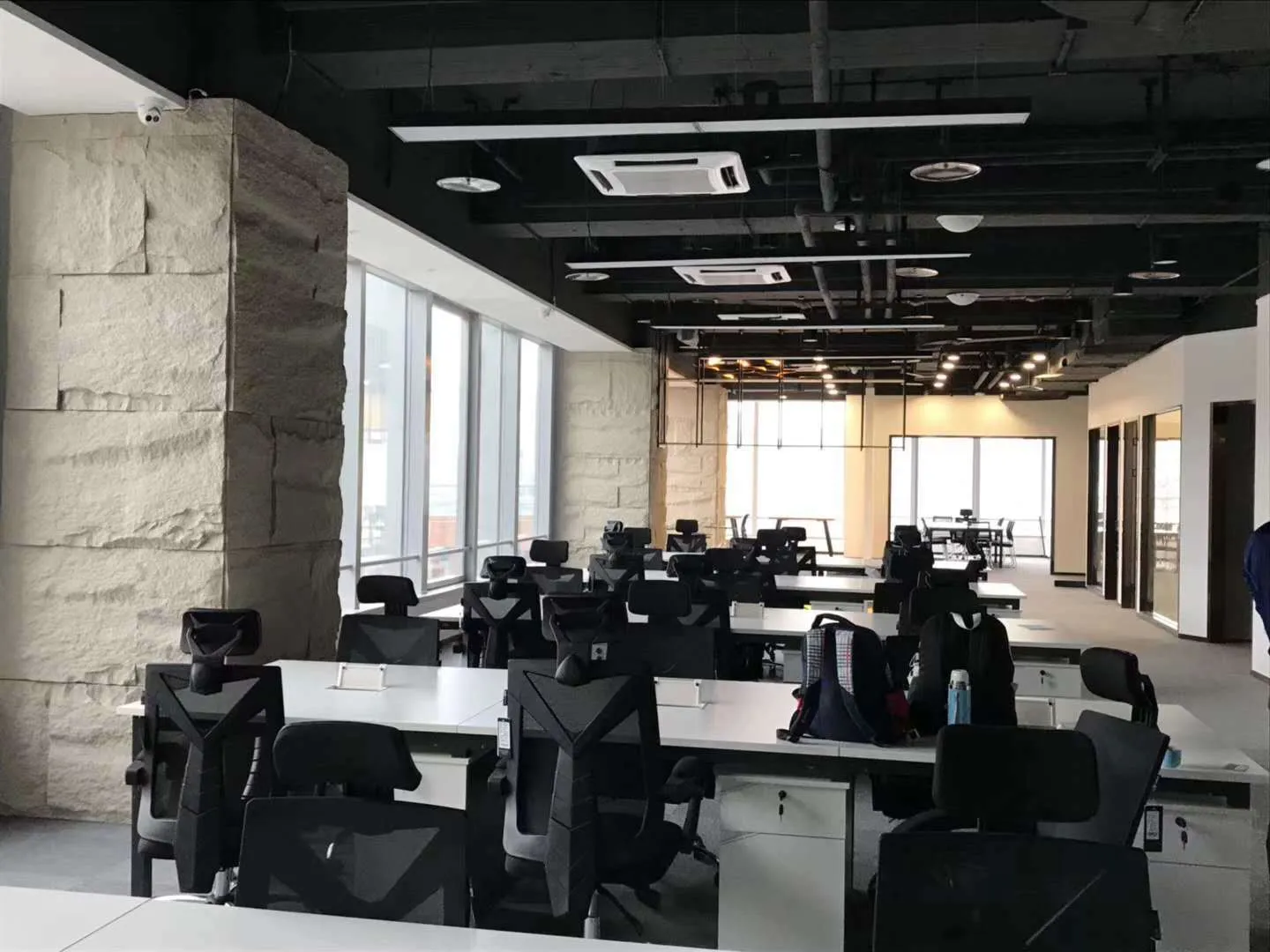
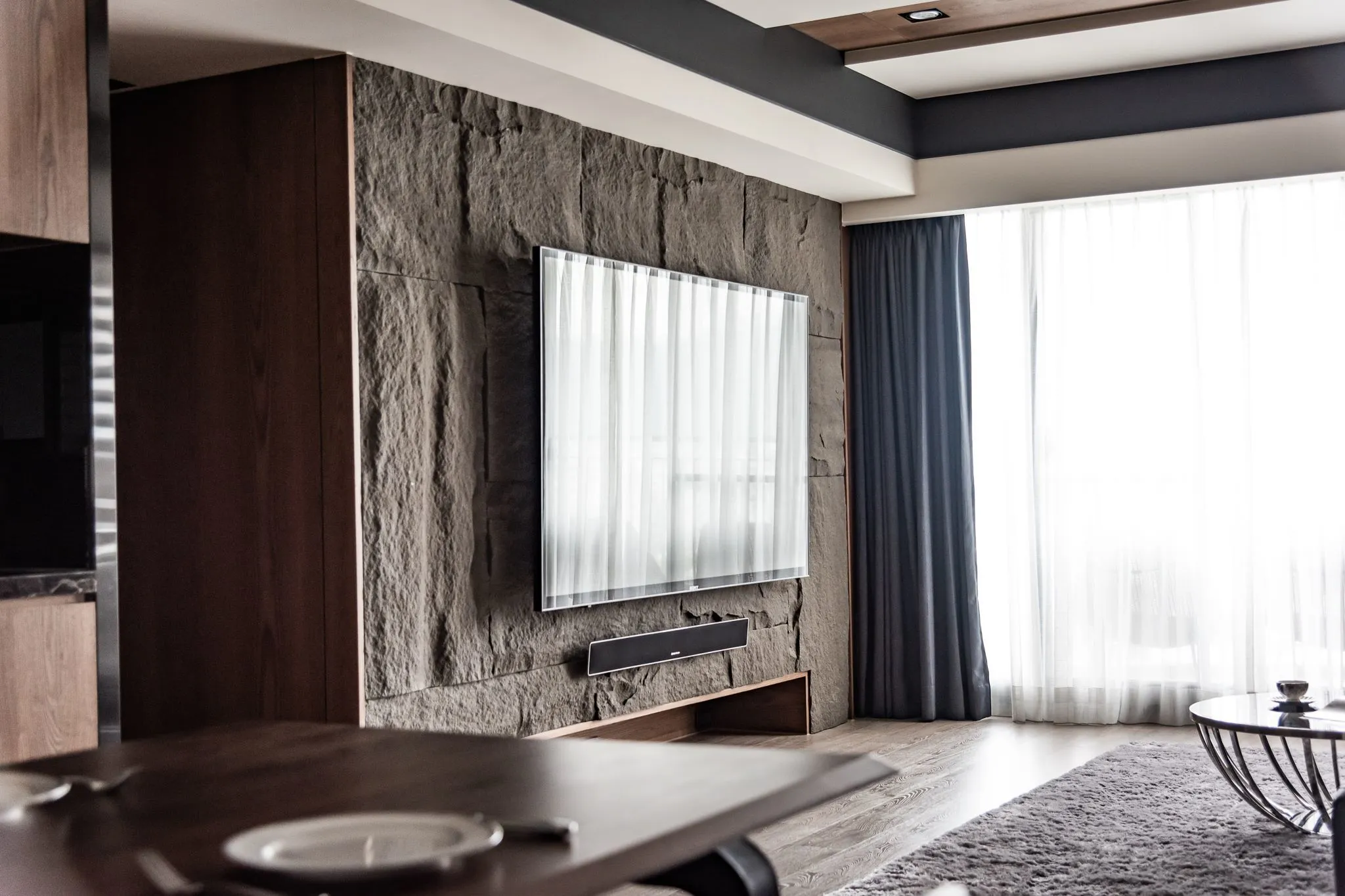
Picture a material that looks like hand-carved marble but bends like paper – that’s the magic of today’s stone skin thin panels. No longer confined to clunky slabs, these panels blend nature’s grandeur with rocket-science engineering.
Flexural strength isn’t just some lab number. It’s the backbone that lets your 3mm-thin panel laugh at hurricanes. At ≥8 MPa? That’s the industry’s stamp of "go ahead, build that curved glass atrium."
Fun fact: Those gentle undulations in Zaha Hadid’s walls? Made possible by 8+ MPa flexible stone wall panels bending like a gymnast.
Ever wonder how granite gets flexible? The magic lies in:
Manufacturers like Neolith® achieve this through a 3-stage thermo-compression akin to forging samurai swords – extreme heat (1,200°C) followed by rapid cooling locks strength in.
In Tokyo’s Mori Tower, 8 MPa panels shrug off typhoon winds. Dubai’s Museum of the Future? Their organic curves rely on this exact flex strength. Architects now dream curves, not cubes.
Hanging these on a skyscraper isn’t hanging picture frames:
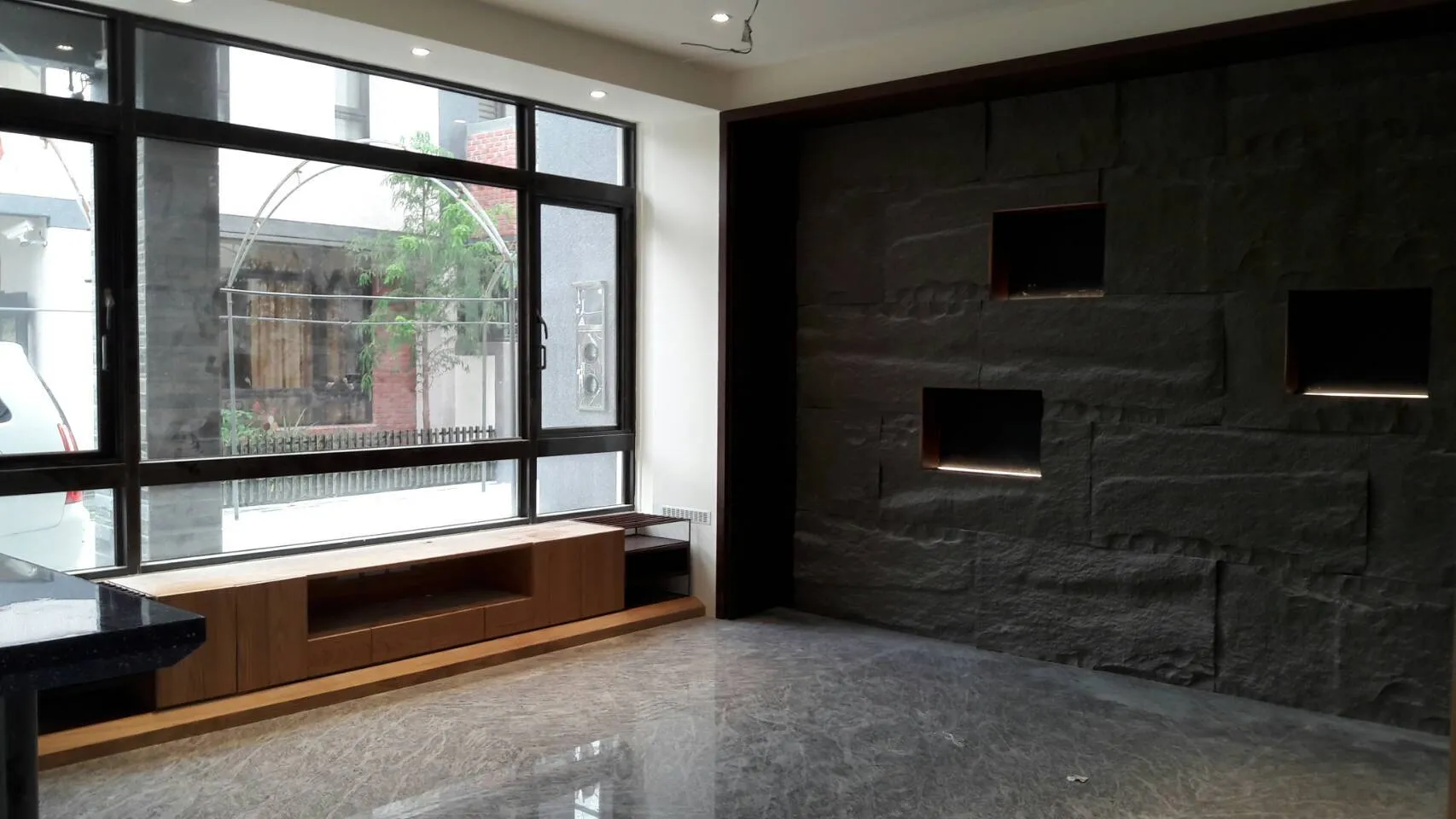
Unlike quarry-mined slabs, thin panels create 90% less waste. One quarry block yields 100x more surface area. Even better? At end-of-life, they’re ground into aggregate for new panels – cradle-to-cradle rockstar.
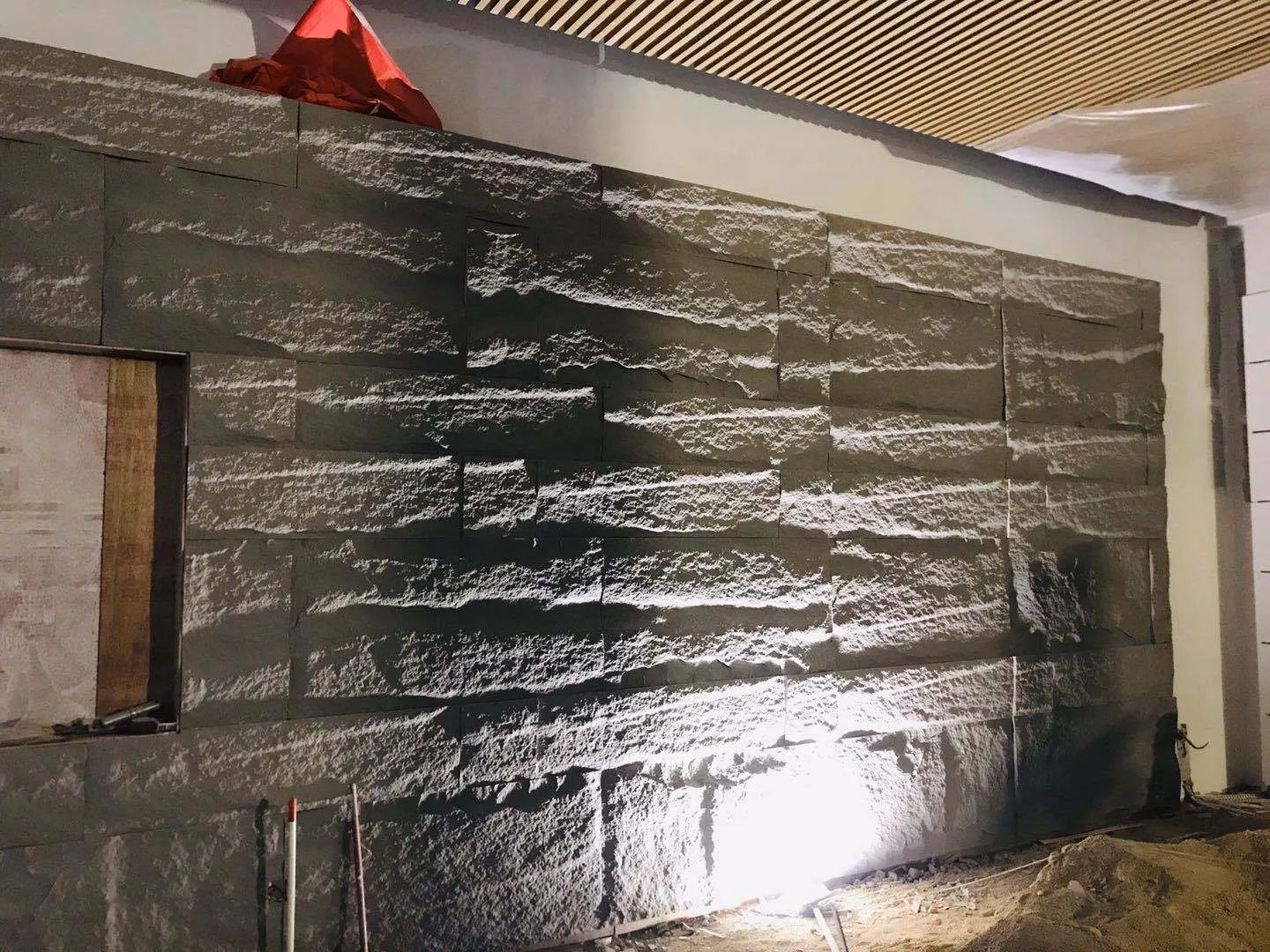
67,000 m² of 9 MPa stone skin panels. Results? 40% weight reduction vs. travertine. Maintenance costs dropped 85%. Moral: High flex strength pays back.
Emerging trends demand our panels evolve:
With ≥8 MPa as the baseline, we’re not just building walls – we’re growing living architecture.
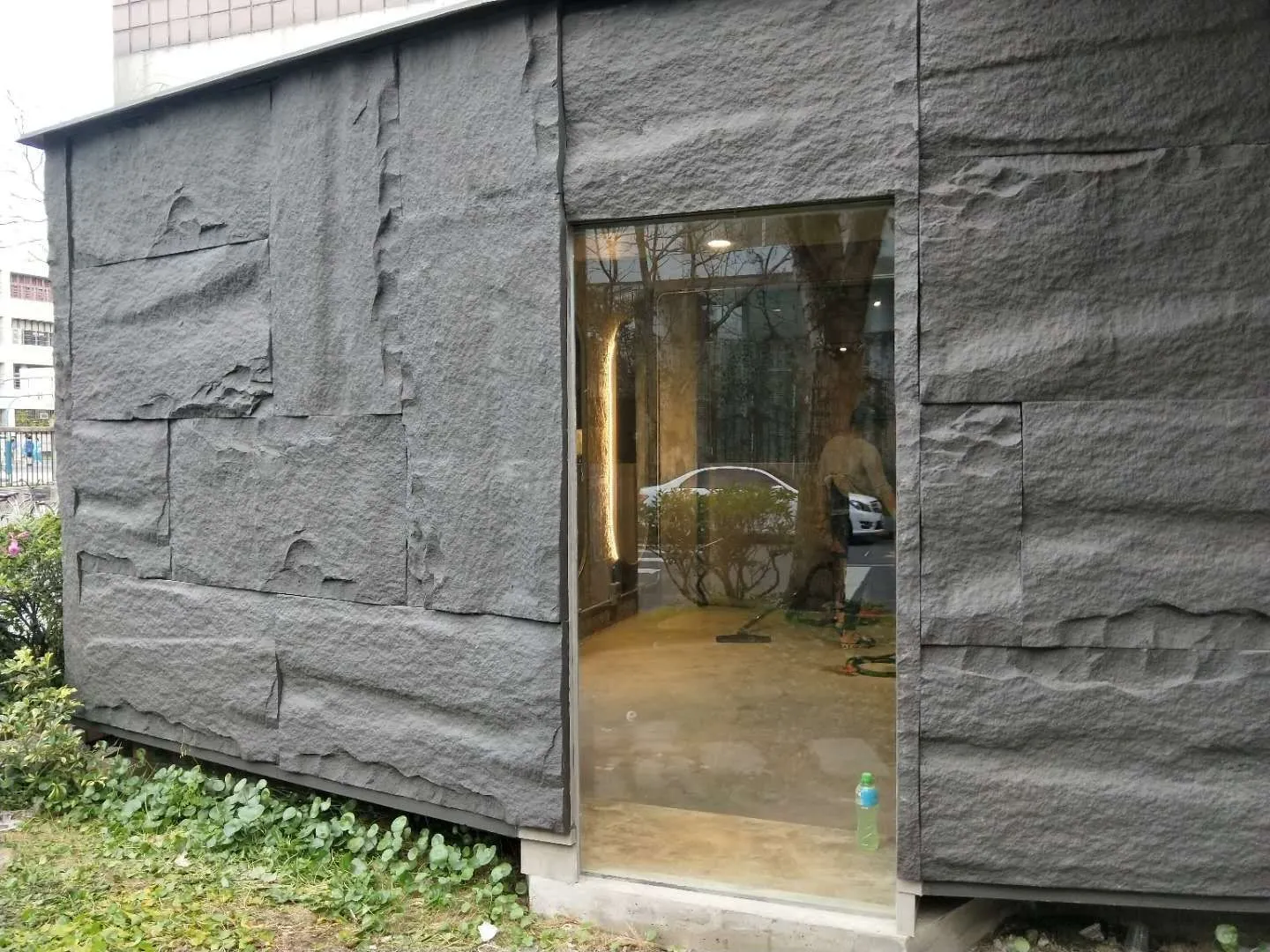
For centuries, stone meant mass. Now, stone skin thin panels redefine mass with ballet-dancer flexibility. That ≥8 MPa stamp? It’s architecture’s new passport to impossible forms.
“Finally, stone breathes.” – Renzo Piano’s team on the Shard retrofit
Recommend Products












