
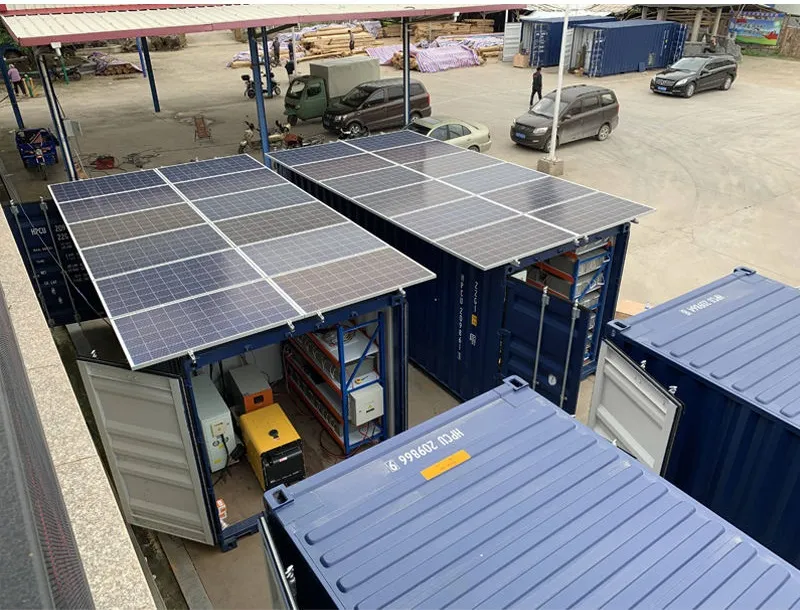
Powering homes and businesses with sustainable innovation—one flexible panel at a time
In a world where every light switch flipped, every air conditioner hummed, and every building constructed leaves a mark on our planet, the race to cut carbon footprints has never felt more urgent. We've all heard the buzzwords: "net-zero," "sustainability," "green living." But what if there was a tangible, everyday solution that doesn't just sound good on paper—one that bends, adapts, and fits seamlessly into the way we already live and work? Enter flexible solar panels: the unsung hero of modern green building, and a game-changer for anyone serious about shrinking their environmental impact.
Whether you're a homeowner dreaming of a self-sufficient house, a business owner looking to slash energy bills, or an architect designing the next iconic building in Riyadh, flexible solar panels aren't just a "nice-to-have"—they're a bridge between today's needs and tomorrow's sustainability goals. And when it comes to sourcing these innovative solutions, partnering with a team that understands both the technical details and the bigger picture of global sustainability makes all the difference. That's where a dedicated one-stop architectural solution provider steps in, turning complex green building dreams into reality.
Let's start with the basics: traditional solar panels are great, but they're not exactly… flexible. Rigid, heavy, and limited to flat surfaces, they've long been the go-to, but they leave a lot of potential energy-generating space unused. Think about that curved roof on your villa, the sloped facade of a commercial building, or even the awning over your patio—those areas could be harvesting sunlight, but traditional panels just can't conform to the shape.
Flexible solar panels change the game. Made with lightweight, bendable materials like thin-film photovoltaic cells, they're designed to adapt. Picture this: a solar panel that can wrap around a rounded rooftop like a second skin, or adhere to a textured wall without needing bulky mounting brackets. They weigh up to 70% less than standard panels, making installation faster and gentler on building structures—no more reinforcing roofs to support heavy equipment. And because they're thin (some as slim as a few millimeters), they blend into architectural designs instead of sticking out like a sore thumb.
| Feature | Traditional Solar Panels | Flexible Solar Panels |
|---|---|---|
| Weight | 15-20 kg per panel | 2-5 kg per panel |
| Flexibility | Rigid, flat only | Bendable up to 30 degrees |
| Installation Surface | Flat roofs, ground mounts | Curved roofs, facades, awnings, RVs |
| Aesthetic Impact | Visible, industrial look | Low-profile, blends with architecture |
| Durability in Harsh Weather | Good, but prone to cracking if bent | Resistant to hail, wind, and temperature swings |
But it's not just about looks and flexibility. These panels are workhorses, too. Many models boast efficiency rates comparable to traditional panels (think 18-22% conversion of sunlight to electricity) and come with warranties of 10-25 years. For homeowners in Riyadh, where summer temperatures soar, they're even designed to handle extreme heat better than some rigid panels—meaning they keep working efficiently when you need AC the most.
We can't talk about flexible solar panels without talking about the elephant in the room: our planet's changing climate. Governments worldwide are tightening regulations, with "net-zero by 2050" targets becoming the norm. In the Middle East, countries like Saudi Arabia are leading the charge with initiatives like the Saudi Vision 2030 , which prioritizes sustainability, renewable energy, and reducing reliance on fossil fuels. For businesses and homeowners here, adopting green building practices isn't just altruistic—it's becoming a requirement to stay compliant and competitive.
But beyond regulations, there's a growing demand from people like you. Homebuyers are asking, "What's the carbon footprint of this house?" Business tenants want offices that align with their company's sustainability goals. Architects are seeking materials that don't just meet code, but inspire. Flexible solar panels check all these boxes: they reduce reliance on grid electricity (much of which still comes from fossil fuels), lower utility bills, and add tangible value to properties. In fact, studies show that homes with solar installations sell faster and at higher prices than those without—and flexible panels, with their sleek design, only amplify that appeal.
And let's not forget the cost factor. While flexible panels once carried a premium, advancements in manufacturing have brought prices down, making them accessible for more projects. When you factor in lower installation costs (no heavy lifting, simpler mounting) and long-term energy savings, they often pay for themselves faster than traditional systems. For a Saudi Arabia building materials supplier deeply rooted in the region, understanding these local needs—balancing affordability with sustainability—is key to making green building accessible to everyone.
So, you're sold on flexible solar panels. Now what? Sourcing them shouldn't feel like navigating a maze. That's where partnering with a provider that offers more than just panels—one that delivers a complete, end-to-end solution—changes everything. Imagine this: instead of coordinating with a solar panel supplier, a roofing contractor, an electrician, and a sustainability consultant separately, you work with a single team that handles it all. From initial design to final installation, and even post-project support. That's the power of a one-stop architectural solution provider .
For over three decades, we've specialized in making green building simple. Here's how we stand out:
You don't need to be an engineer to understand your options. Our team breaks down complex jargon into plain talk: "This panel will cover 60% of your home's energy needs," "Installing on your south-facing facade will maximize sunlight," "Pairing solar with our energy-efficient windows will cut costs even more." We listen first, then tailor solutions to your budget, timeline, and sustainability goals.
As a Saudi Arabia building materials supplier , we know this region inside out. We understand the unique challenges: the intense sun, the need for durable materials, and the specific regulations around renewable energy projects. Our local team in Riyadh isn't just a sales office—they're your neighbors, familiar with local contractors, permitting processes, and even the quirks of regional architecture. When you work with us, you're not getting a generic "global solution"—you're getting one built for Riyadh, Jeddah, or Dammam.
Flexible solar panels are amazing, but they're even better when paired with other sustainable products . Need energy-efficient walls to keep the heat out? We've got green that insulate better than traditional materials. Looking for flooring made from recycled materials? Check. Custom kitchen appliances that use less electricity? We've partnered with top brands to curate a lineup that works in harmony. It's called "whole-building sustainability"—and it's how you turn a single green feature into a home or business that truly lives its eco-friendly values.
When you invest in solar, you're in it for the long haul. That's why we only source panels from manufacturers with proven track records—ones that stand behind their products with solid warranties. And if something goes wrong? Our support team is local, responsive, and ready to help. No waiting for a technician to fly in from another country. For us, "customer satisfaction" isn't a buzzword—it's the reason we've stayed in business for over 30 years.
Numbers and features tell part of the story, but real-world impact tells the rest. Let's dive into a few projects close to home that showcase how flexible solar panels are transforming spaces—and carbon footprints—in Saudi Arabia.
Mr. Al-Mansoori, a homeowner in north Riyadh, wanted to reduce his family's electricity bill (which spiked to SAR 2,500/month in summer) but hated the idea of bulky solar panels ruining his home's modern, curved roof. We proposed flexible panels that followed the roof's natural slope, blending in so seamlessly that visitors often don't notice them at first glance. "I was worried they'd look like an afterthought," he told us. "Instead, they've become a conversation starter—neighbors keep asking where we got them!"
Today, his system generates 80% of his home's electricity, cutting bills to under SAR 600/month. Plus, he qualifies for Saudi Arabia's net-metering program, earning credits for excess energy sent back to the grid. "It's not just about saving money," he says. "My kids ask about climate change, and now I can show them we're doing something about it."
A shopping mall in Jeddah wanted to align with Saudi Vision 2030's sustainability goals while attracting eco-conscious shoppers. The challenge? Limited roof space, thanks to HVAC units and skylights. Our solution? Install flexible solar panels on the mall's south-facing facade—over 2,000 square meters of panels that turn the building itself into a power plant. "We were skeptical at first," admits the mall manager. "Can panels on a wall really generate enough energy?"
Turns out, they can. The system now generates 300,000 kWh annually—enough to power 50 average homes for a year—and reduces the mall's carbon emissions by 210 tons per year. "We've even used the panels as a marketing tool," the manager says. "Shoppers love seeing the real-time energy production display in the lobby. It makes them feel good about spending here."
The future of building in Saudi Arabia isn't just about bricks and mortar—it's about building smarter, greener, and more resilient. As the country marches toward its 2030 Vision, with targets like 50% renewable energy by 2030 and creating sustainable cities, flexible solar panels will play a starring role. They're not just for homes and malls, either: imagine schools with solar-powered classrooms, hospitals reducing energy costs to invest in patient care, and even remote communities gaining access to reliable electricity through portable flexible panels.
At the heart of this vision is a commitment to sustainable products that don't compromise on quality or functionality. We're already working on next-gen flexible panels that are even more efficient, lighter, and integrated with smart home systems—so you can monitor energy production from your phone, adjust usage, and maximize savings. And because we believe in growing with the communities we serve, we're investing in local talent, training Saudi engineers and technicians to lead the green building revolution from the ground up.
But none of this happens in a vacuum. It takes partnerships—between suppliers, builders, homeowners, and policymakers. It takes choosing solutions that are good for the planet and good for people. Flexible solar panels are more than a product; they're a statement that says, "I care about the future we're building."
Reducing your carbon footprint doesn't have to be overwhelming. It starts with a single step: exploring your options. Whether you're building a new home, renovating an office, or just curious about how flexible solar panels could work for you, we're here to help. No pressure, no jargon—just honest advice and a team that's with you every step of the way.
Let's build something sustainable, together. Because the best time to go green was yesterday. The next best time? Today.
Recommend Products












