
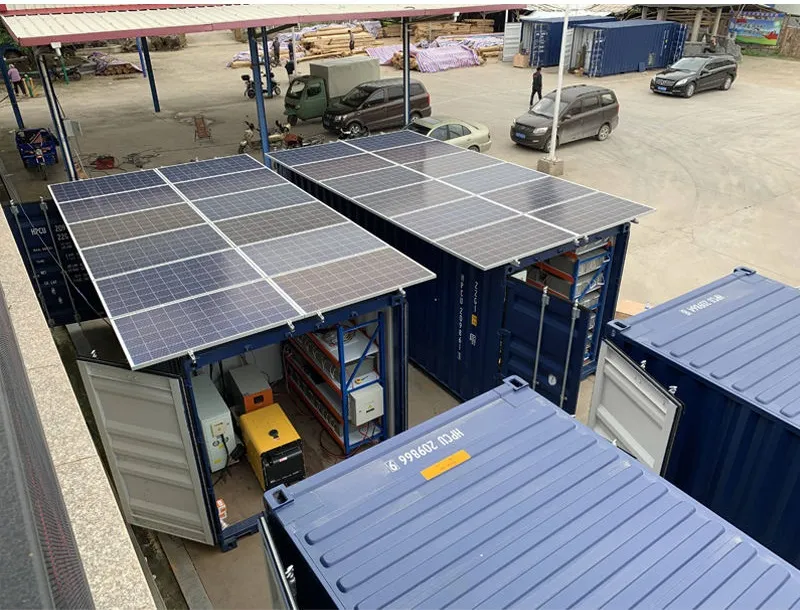
Driving through Riyadh's skyline these days feels like watching a city reinvent itself. Cranes dot the horizon, new residential compounds rise where desert once stretched, and commercial towers reach for the sun—all part of Saudi Arabia's ambitious push to diversify its economy and build sustainable, future-ready communities. At the heart of this transformation? A growing demand for construction materials that don't just build structures, but build a greener, more efficient way of living. And when it comes to merging innovation with local know-how, flexible solar panels are emerging as a game-changer for both residential and commercial projects. That's where we come in: as a saudi arabia building materials supplier with decades of boots-on-the-ground experience, we're not just providing products—we're building solutions that fit the unique rhythm of Saudi construction.
Let's start with the basics: Saudi Arabia gets a lot of sun. We're talking over 300 days of sunshine a year, with average temperatures soaring above 40°C in summer. That's a challenge for buildings, but it's also a goldmine for renewable energy. Pair that with the country's "2030 Vision"—a plan to reduce carbon emissions, boost local industries, and create sustainable cities—and it's no wonder solar power is becoming a non-negotiable in construction specs.
But here's the thing: traditional solar panels aren't always a perfect fit for Saudi projects. Many buildings, especially older ones or those with curved rooftops, can't support the weight of rigid panels. Commercial complexes with intricate facades? Rigid panels might ruin the architectural design. Even new residential villas often have limited roof space, requiring panels that can adapt to tight corners or uneven surfaces. That's where flexible solar panels step in—and why they're quickly becoming a staple in our sustainable products lineup.
Think of it this way: if traditional solar panels are like rigid puzzle pieces, flexible ones are more like a tailor-made suit. They bend, they conform, and they fit spaces that once seemed impossible for solar. For a developer in Jeddah building a modern apartment complex with a sloped roof, that means turning unused space into a power-generating asset. For a hotel in Dammam with a decorative facade, it means adding solar without sacrificing curb appeal. And in a country where every square meter of space counts, that flexibility isn't just convenient—it's essential.
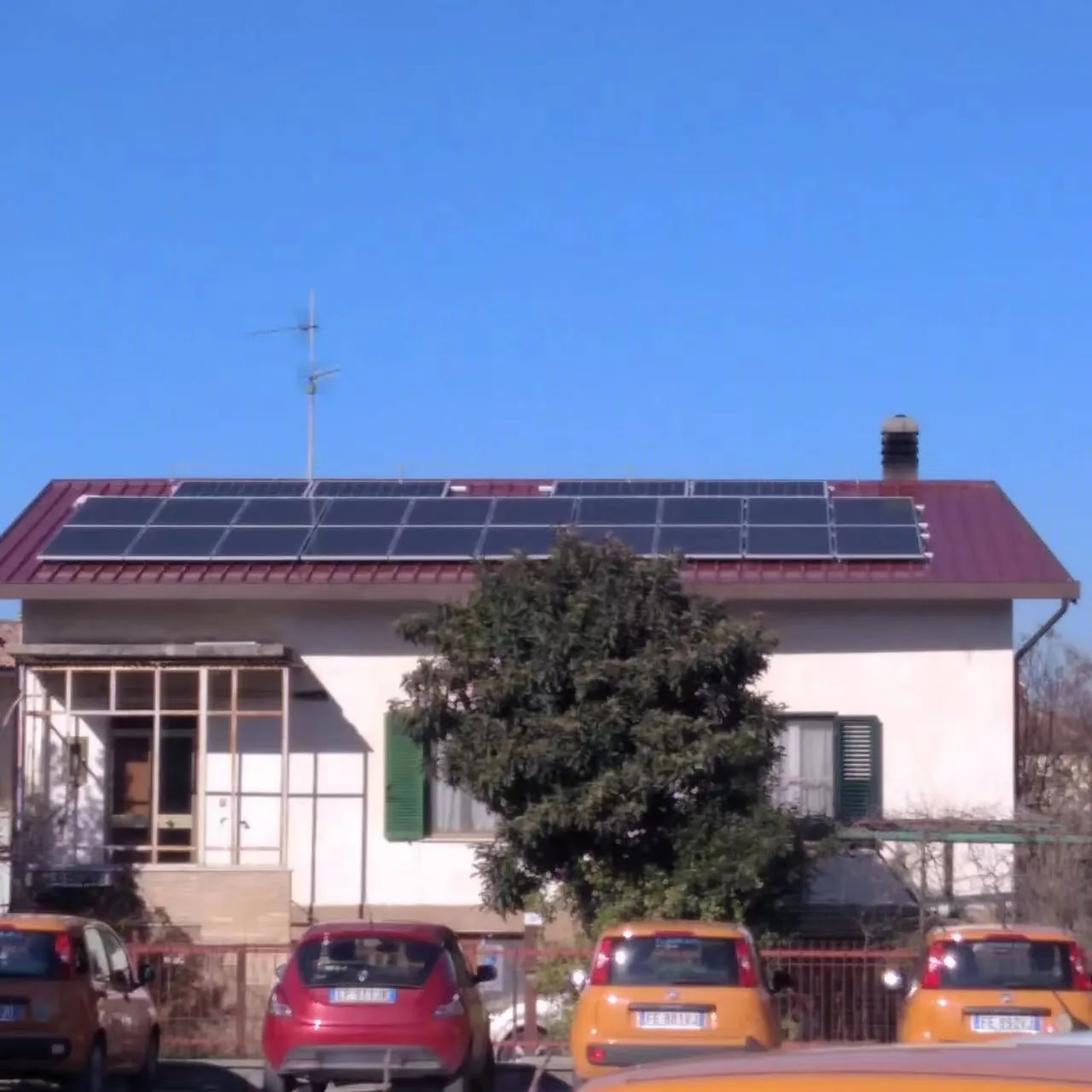
We've worked on enough projects across Saudi Arabia to know that "one-size-fits-all" doesn't work here. The climate is harsh, the (building codes) are specific, and clients expect materials that can stand the test of time. So when we added flexible solar panels to our residential building materials supplier and commercial lines, we didn't just pick any product—we chose ones built for the Saudi reality. Here's why they stand out:
Traditional solar panels can weigh 15-20 kg per square meter. That's a problem for buildings with weaker rooftops or for retrofitting older structures. Our flexible panels? They weigh as little as 3 kg per square meter—light enough to install on everything from metal roofs to curved facades without extra structural support. We recently worked on a heritage renovation project in Riyadh where the original roof couldn't handle heavy loads. By using flexible panels, we preserved the building's historic design while adding solar capacity—something rigid panels would have made impossible.
Anyone who's touched a car roof in Riyadh in July knows how hot surfaces can get. Rigid solar panels often struggle with overheating, which reduces their efficiency. Our flexible panels are designed with heat-dissipating materials that perform better in high temperatures—meaning they keep generating power even when the mercury hits 50°C. We tested them side-by-side with traditional panels on a commercial warehouse in Khobar last year; the flexible ones maintained 92% efficiency during peak heat, compared to 78% for the rigid ones. For clients, that's not just better performance—it's lower energy bills and a faster return on investment.
Saudi construction materials don't just face heat—they face sandstorms, high winds, and occasional rain. Our flexible panels are built with reinforced polymer layers that resist scratches from blowing sand and can withstand wind speeds up to 120 km/h (that's the equivalent of a Category 1 hurricane). We had a client in Yanbu, a coastal city prone to salty winds, install our panels three years ago. Last month, they sent us photos—no corrosion, no peeling, just panels still generating power like day one. That's the durability we demand for our clients.
Saudi architecture is evolving fast. Gone are the days of boxy, utilitarian buildings—today's projects blend function with beauty. Our flexible panels come in neutral colors that blend with rooftops and facades, and some even have a semi-transparent option for use on windows or glass walls. A luxury hotel in Riyadh's diplomatic quarter recently used these semi-transparent panels on their atrium skylights: natural light floods in, and the panels generate power at the same time. It's design and sustainability working hand in hand—and that's the kind of innovation our clients love.
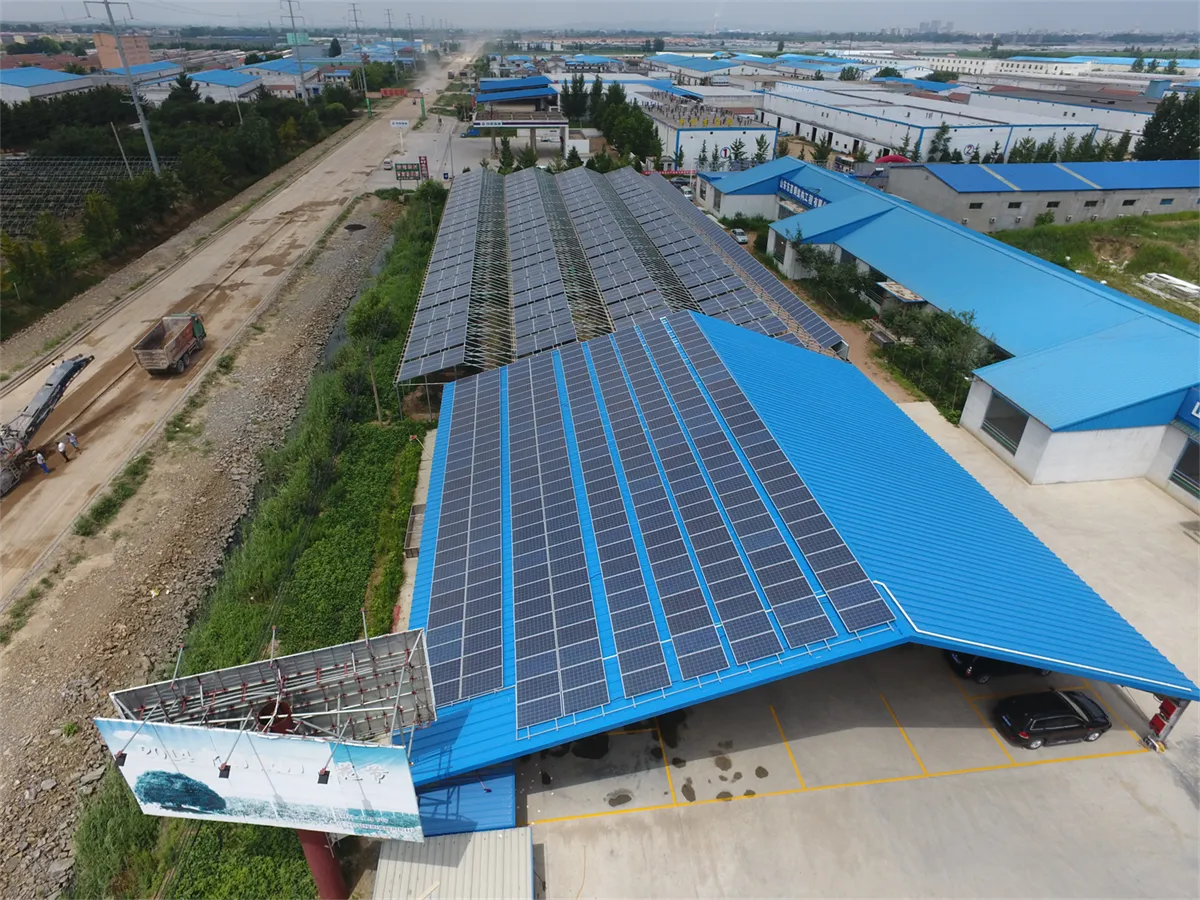
Here's a truth we've learned after decades in the Middle East: you can't serve a market well from a distance. That's why we're not just a one-stop architectural solution provider with a global network—we're deeply rooted in Saudi Arabia. Our office in Riyadh isn't just a sales desk; it's staffed with local architects, engineers, and project managers who speak the language (both literally and figuratively). They know the local building codes, they understand the challenges of working with Saudi contractors, and they've built relationships with everyone from government inspectors to logistics teams. When it comes to solar projects, that local expertise turns "good service" into "seamless success."
Ever tried explaining technical specs to a contractor who's used to working with local materials? It can get lost in translation—literally. Our team in Riyadh includes engineers who've worked on Saudi projects for 15+ years. They know the local terms, the common pain points (like delayed permit approvals or strict quality checks), and how to navigate them. For example, when a client in Mecca was worried about meeting the Ministry of Energy's solar efficiency standards, our local team didn't just send a generic certificate—they walked the inspector through the panel's performance data, explained how it meets Saudi's specific testing criteria, and even provided references from similar projects in the area. The result? Approval in half the usual time.
Shipping materials to Saudi Arabia can be a headache. Port delays, customs inspections, and long distances from warehouses can throw off project timelines. But because we have a local (agency) in Riyadh with a warehouse stocked with key products—including flexible solar panels—we can deliver most orders within 48 hours. Last summer, a developer in Abha had an urgent need for solar panels to meet a project deadline. Their previous supplier, based in Europe, quoted 4 weeks for delivery. We had the panels on-site in 3 days. That's the difference between a local presence and a distant supplier.
Saudi Arabia's "2030 Vision" isn't just a government policy—it's a roadmap for every industry, including construction. A big part of it is creating jobs for Saudis and building sustainable communities. As a supplier committed to this vision, we don't just sell materials—we invest in local talent. Our Riyadh team includes Saudi engineers trained in solar technology, and we partner with local vocational schools to train the next generation of installers. For clients, that means working with a supplier who's aligned with their own goals of meeting 2030 targets, whether it's hiring local workers or using eco-friendly materials. It's not just good business—it's the right way to build for the future.
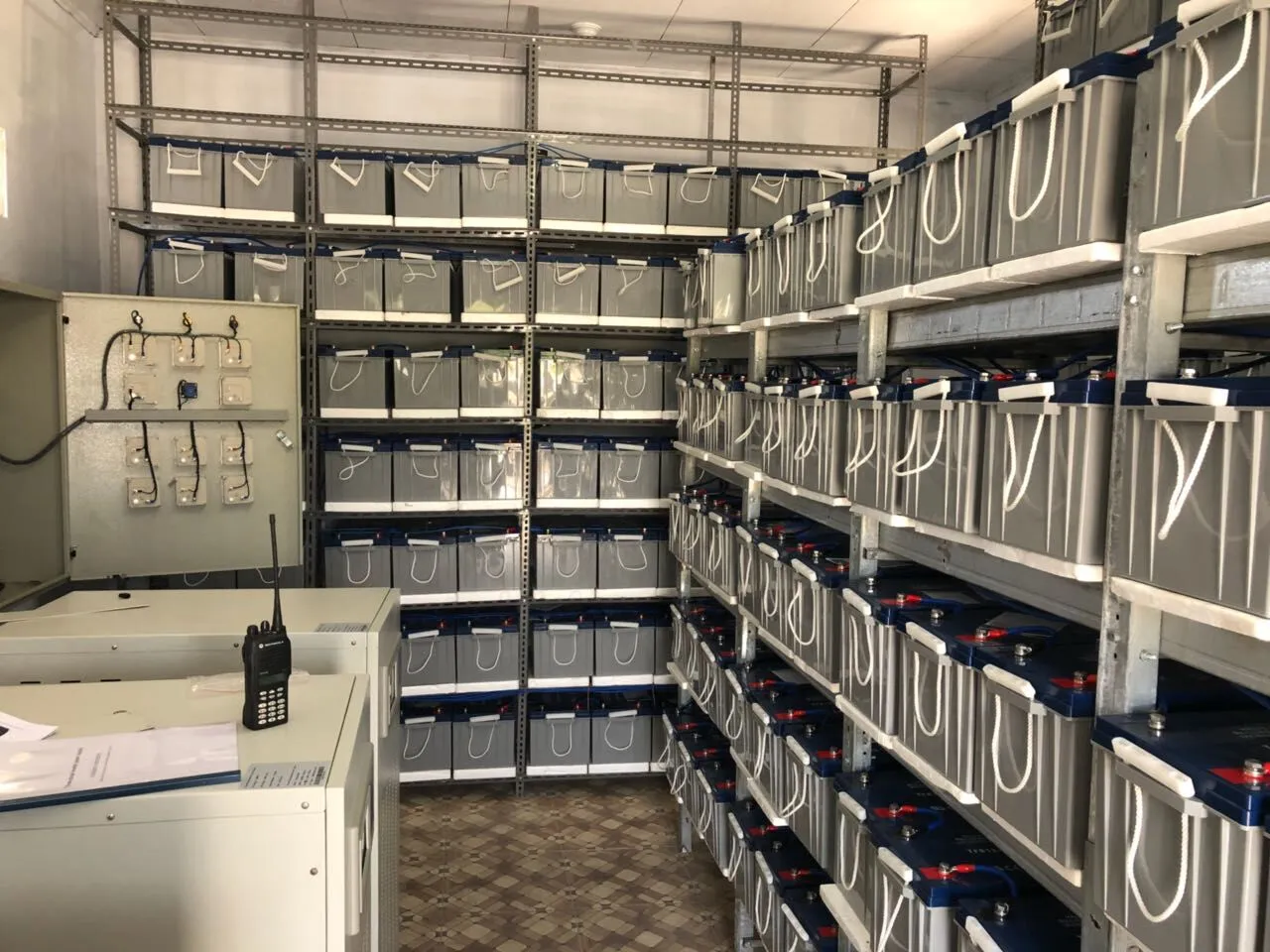
Here's the thing about solar projects: they're rarely just about the panels. You need mounting brackets, wiring, inverters, and sometimes even new electrical systems to handle the power. For a busy developer, coordinating all these from different suppliers is a logistical nightmare. But as a one-stop architectural solution provider , we've built our business on making this easier. When you work with us for flexible solar panels, you're getting a complete package—no extra calls, no multiple invoices, just a single partner from start to finish.
| Component | What We Provide | Why It Matters |
|---|---|---|
| Flexible Solar Panels | High-efficiency, heat-resistant panels in various sizes | Customized to fit your building's unique layout |
| Mounting Systems | Lightweight, corrosion-resistant brackets (part of our engineering equipment line) | Designed for Saudi winds and easy installation |
| Electrical Components | Inverters, cables, and junction boxes (from our electrical range) | Compatible with Saudi electrical standards |
| Backup Power Integration | Batteries and storage systems (sustainable products) | Ensures power during grid outages |
| Installation Support | Local engineers and certified installers | On-site guidance to ensure proper setup |
Take, for example, a recent project we did for a residential compound in Riyadh. The developer wanted to add solar to 50 villas, each with a different roof design. Instead of cobbling together panels from one supplier, brackets from another, and wiring from a third, they came to us. Our team designed a standardized yet flexible package: panels that fit each roof type, brackets that worked with local construction materials, and wiring that integrated with the compound's existing electrical system. The result? All 50 villas were solar-ready 2 weeks ahead of schedule, and the developer saved 15% on costs compared to using multiple suppliers. That's the power of one-stop shopping.
And it's not just about the products—it's about the support. After installation, our local team doesn't disappear. We offer maintenance checks, performance monitoring, and even training for your staff to keep the system running smoothly. For a school in Riyadh that installed our solar panels, we trained their facilities team to do basic troubleshooting, saving them the cost of calling in external technicians. It's that level of care that turns clients into long-term partners.
The world is moving toward sustainability, and Saudi Arabia is no exception. The government's "double carbon" goals—aimed at reducing emissions and increasing renewable energy use—are pushing the construction industry to rethink how buildings are designed and built. As a supplier, we see flexible solar panels not just as a product, but as a tool to help our clients meet these goals. Every panel installed is a step toward a greener future—and that's something we're proud to be part of.
Consider the numbers: a typical commercial building in Saudi Arabia uses around 200 kWh of electricity per square meter annually. By installing flexible solar panels, that building could generate up to 50% of its own power, cutting both energy bills and carbon emissions. For a large mall in Jeddah, that's potentially thousands of tons of CO2 saved each year. And because our panels are part of our sustainable products line, they're manufactured with eco-friendly materials and processes, so the environmental benefits start long before installation.
But sustainability isn't just about the environment—it's about economics too. With energy costs rising globally, solar panels are becoming a smart financial investment. The Saudi government even offers incentives for buildings that use renewable energy, including tax breaks and faster permit approvals. Our local team stays up-to-date on all these incentives, helping clients navigate the paperwork and maximize their returns. It's not just about selling solar panels; it's about helping clients build projects that are both green and profitable.
Looking ahead, we're excited to keep expanding our sustainable offerings. From green (building materials) that reduce waste to energy-efficient appliances for kitchens and hotels, we're committed to being a partner in Saudi Arabia's journey toward a more sustainable future. And with flexible solar panels leading the way, we're confident that together, we can build a Saudi Arabia that's not just growing—but growing smarter.
Building in Saudi Arabia isn't just about bricks and mortar—it's about innovation, adaptability, and understanding the local landscape. Flexible solar panels are more than a trend; they're a solution built for the unique challenges of this market. And as a saudi arabia building materials supplier with deep roots in the community, we're here to make sure you have the right tools, the right support, and the right local expertise to make your project a success.
Whether you're building a small villa in Riyadh, a commercial complex in Dammam, or a hotel in Mecca, we don't just sell products—we build partnerships. Our team in Saudi Arabia is ready to listen to your needs, walk through your project plans, and create a solar solution that works for you. Because at the end of the day, it's not just about solar panels. It's about building a future where Saudi construction is efficient, sustainable, and ready for whatever comes next.
So let's talk. Let's turn your rooftop, your facade, or your unused space into a power-generating asset. Let's build something that not only meets today's needs but helps shape Saudi Arabia's sustainable tomorrow. After all, we're not just suppliers—we're your local partners in building better.
Recommend Products












