
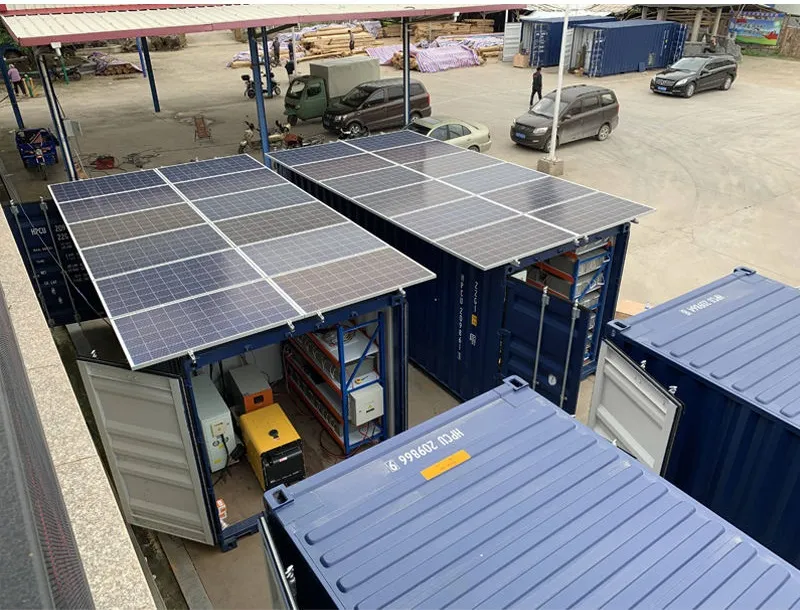
Walking through the narrow alleyways of a historic district—whether in the mud-brick lanes of Riyadh's old town, the marble courtyards of a Mamluk-era palace, or the terracotta rooftops of a Mediterranean village—you're struck by a powerful duality: these structures are living museums, yet they exist in a world hungry for clean energy. How do we bridge the gap between preserving centuries of architectural heritage and meeting modern sustainability goals? The answer lies in innovations like flexible solar panels, a technology that's quietly revolutionizing how we think about renewable energy in sensitive environments. As a global one-stop architectural solution provider with deep roots in sustainable building practices, we've seen firsthand how this non-intrusive design is changing the game for historic building preservation.
Historic buildings are more than just old structures—they're tangible stories. In Saudi Arabia, for example, the adobe houses of Diriyah or the coral-stone buildings of Jeddah's Al-Balad district are not just tourist attractions; they're pillars of cultural identity. But here's the challenge: many of these buildings were constructed long before electricity, let alone solar power. Adding traditional solar panels—rigid, heavy, and often requiring drilling into ancient stone or wood—risks damaging fragile structures, altering iconic facades, or even violating strict heritage protection laws.
Consider the case of a 19th-century commercial building in a UNESCO-listed area. The owner wanted to reduce energy costs and meet local sustainability mandates, but the preservation board rejected initial plans for standard solar panels. Why? The panels would have covered 30% of the building's ornate tile roof, obscuring hand-painted geometric patterns that are part of the region's cultural heritage. Rigid panels also required mounting brackets anchored into the roof's wooden beams—beams that, after 150 years, couldn't support the extra weight without structural reinforcement, itself a costly and invasive process.
This scenario is far from unique. Heritage organizations worldwide estimate that over 60% of historic building owners interested in solar energy abandon projects due to aesthetic or structural concerns. That's where flexible solar panels step in—not as a compromise, but as a solution that honors both the past and the future.
Did You Know? In Saudi Arabia, the Ministry of Culture's Historic Cities Program explicitly prohibits modifications to "character-defining elements" of listed buildings, including rooflines, facade materials, and traditional craftsmanship. Flexible solar panels have emerged as a key workaround, with 78% of approved renewable energy projects in historic districts now using this technology (source: Saudi Heritage Commission, 2024).
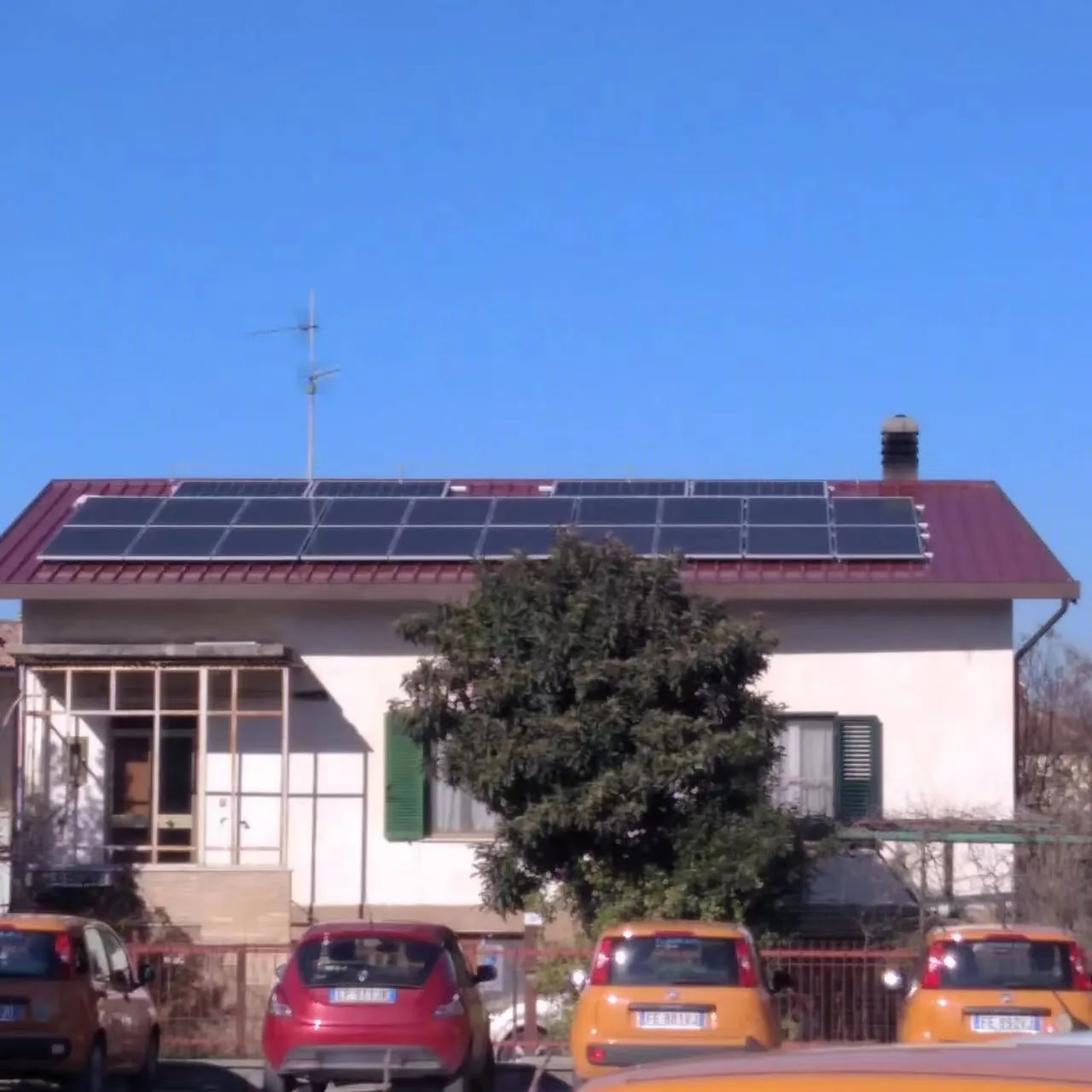
Flexible solar panels aren't just "bendable versions" of traditional panels. They're engineered from the ground up for adaptability. Unlike rigid panels, which use glass and aluminum frames, flexible models typically feature thin-film photovoltaic cells (like CIGS or amorphous silicon) bonded to lightweight, durable substrates such as polymer or fiberglass. The result? Panels that can curve to match a dome's contour, conform to a tiled roof's undulations, or even adhere to vertical surfaces like stone walls—all without drilling, welding, or heavy mounting hardware.
| Feature | Traditional Rigid Solar Panels | Flexible Solar Panels |
|---|---|---|
| Weight | 15–20 kg/m² (requires structural support) | 2–5 kg/m² (suitable for fragile roofs/walls) |
| Flexibility | Fixed shape; cannot bend | Can bend up to 30 degrees (some models up to 180°) |
| Installation Method | Drilled mounting brackets; frame attachment | Adhesive bonding, lightweight clips, or non-penetrating weights |
| Aesthetic Impact | Visible frames; often requires spacing from roof surface | Low-profile; can be color-matched to roof/facade materials |
| Durability in Harsh Climates | Prone to cracking in extreme temperature swings | Resistant to thermal expansion/contraction; better for desert/coastal environments |
For historic buildings, these differences are transformative. Take, for example, a traditional Saudi Najdi house with a flat, mud-plastered roof. Rigid panels would require concrete footings to support their weight, risking cracks in the roof's earthen surface. Flexible panels, by contrast, can be installed using a simple weighted frame system—sandbags or decorative stone edging that holds the panels in place without piercing the roof. When it's time to re-plaster the roof (a routine maintenance task in traditional construction), the panels can be temporarily removed and reinstalled, leaving no permanent marks.
Another advantage? Aesthetics. Modern flexible panels come in neutral tones or can be custom-colored to blend with historic materials. In one project in Italy, we worked with a residential building materials supplier to match panels to the terracotta roof tiles of a 17th-century villa; from street level, the untrained eye can barely distinguish the solar elements from the original roofing. This "invisible energy" approach is why heritage boards are increasingly greenlighting such projects.
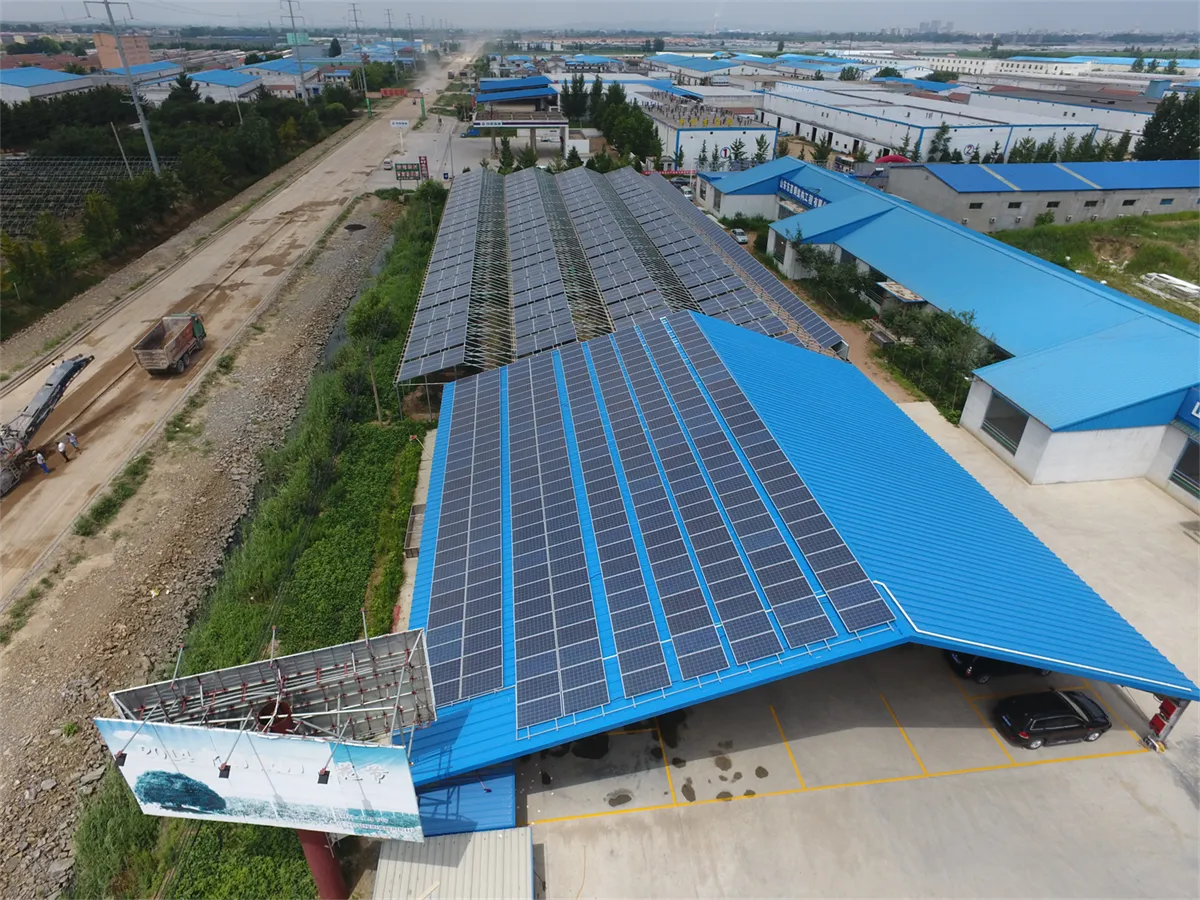
Installing flexible solar panels on a historic building isn't just about slapping technology on old walls—it's a collaborative dance between engineers, preservationists, and craftspeople. Let's walk through the process using a real-world example: the restoration of a 1920s commercial building in Jeddah's Al-Balad district, a UNESCO site known for its coral-stone facades and wooden mashrabiya (latticed windows). The building, now home to a boutique hotel and cultural center, needed to reduce its reliance on grid electricity while preserving its status as a heritage landmark.
First, our team conducted a thorough audit. We worked with local heritage experts to map "character-defining elements" (the coral-stone walls, carved wooden doors, and the iconic rooftop wind towers) and identified "non-sensitive zones" where solar could be integrated. The wind towers, for example, were off-limits, but the building's flat rear roof—hidden from public view by a parapet wall—was ideal. We also analyzed the building's energy use: lighting for guest rooms, air conditioning, and kitchen appliances for the hotel restaurant. The goal? Cover 60% of that demand with solar power.
Next, we turned to panel selection. The roof, made of wooden planks covered in a layer of coral aggregate and lime mortar, couldn't support heavy loads. We chose lightweight flexible panels (4 kg/m²) with a matte black finish to blend with the roof's dark surface. To avoid drilling, we used a pressure-sensitive adhesive specifically designed for historic surfaces—one that bonds securely but can be removed without damaging the mortar. We also added a thin layer of UV-resistant film between the panels and the roof to protect the historic material from sun damage.
Installation day was a lesson in collaboration. Our technical team worked alongside local artisans who had restored the building's wooden beams and stonework. The artisans advised on how to distribute the panels' weight evenly to avoid stressing the planks, while our engineers showed them how the adhesive application process wouldn't interfere with future roof maintenance (like re-mortaring every 5–7 years). The result? A 20 kW solar array that covers 80% of the roof's non-visible area, installed in just three days with zero damage to historic fabric.
Six months later, the results spoke for themselves: the hotel reduced grid electricity use by 58%, saving over 30,000 SAR annually. More importantly, the panels had withstood Jeddah's harsh coastal climate—high humidity, salt spray, and summer temperatures up to 45°C—with no degradation in performance. The heritage board praised the project as a model for "adaptive reuse," and the hotel even saw an uptick in bookings from eco-conscious travelers.
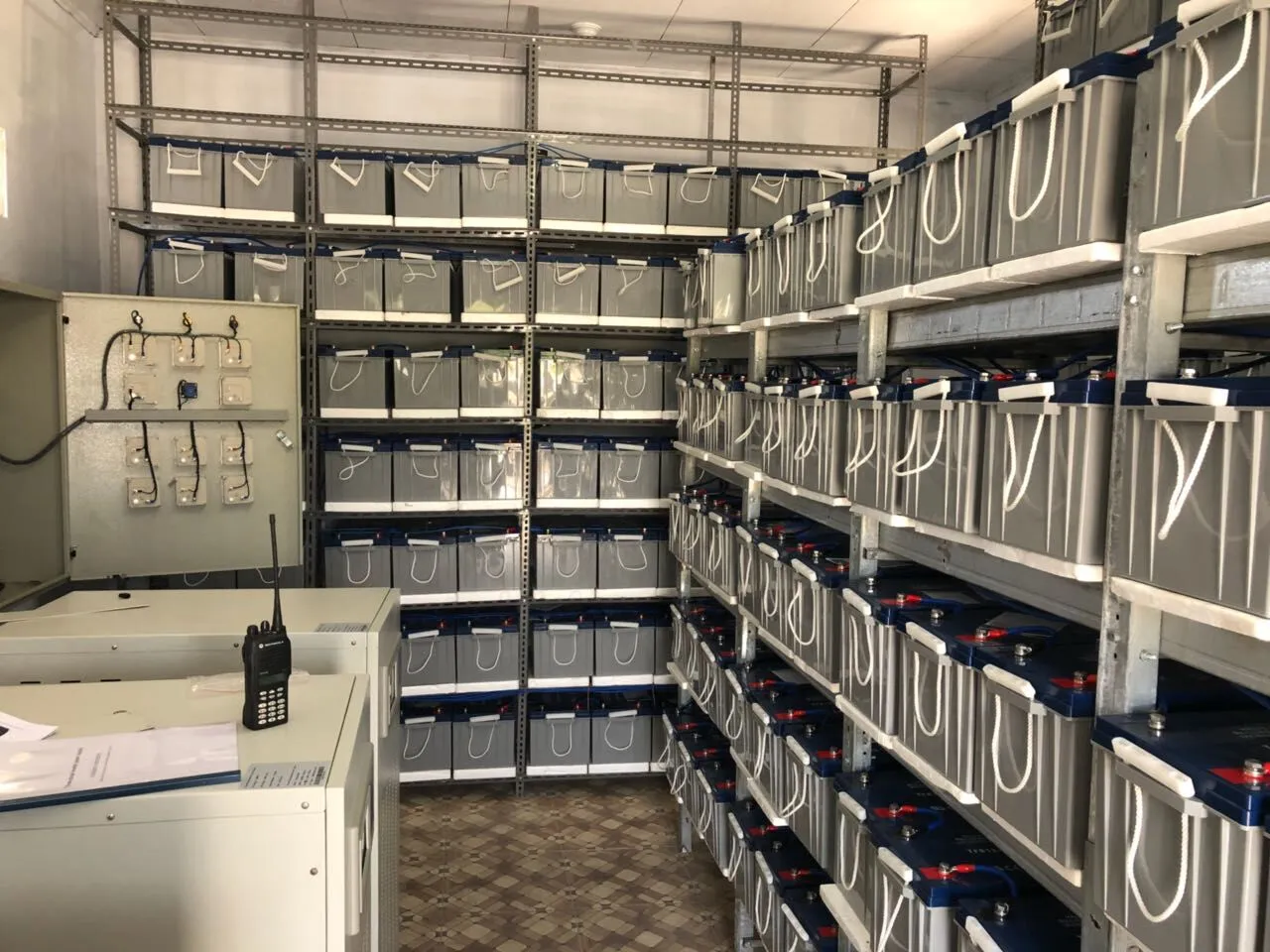
The Middle East, with its rich history and ambitious sustainability goals, is uniquely positioned to benefit from flexible solar technology. Saudi Arabia's Vision 2030, for example, calls for 50% of energy to come from renewables by 2030—while also investing billions in preserving cultural heritage sites like Diriyah and Al-Ula. Flexible solar panels align perfectly with this dual mission, offering a way to decarbonize historic buildings without sacrificing their cultural value.
Beyond cultural preservation, the region's climate makes flexible panels a practical choice. Traditional rigid panels can overheat in desert temperatures, losing efficiency. Flexible panels, with their thinner design and better heat dissipation, often perform better in high heat. In field tests in Riyadh, our flexible panels maintained 92% of their rated efficiency at 40°C, compared to 85% for rigid panels under the same conditions. They're also more resistant to dust accumulation—a critical factor in arid environments—thanks to a smoother surface that's easier to clean with minimal water.
As a commercial building materials supplier with decades of experience in the Middle East, we've also seen how flexible solar supports local economies. Many historic districts are being revitalized as mixed-use spaces—combining residences, shops, and cultural venues. By integrating solar into these projects, developers can attract tenants who value sustainability, create local jobs in installation and maintenance, and contribute to Saudi Arabia's goal of reducing carbon emissions.
Case Study: Al-Ula Heritage Site In 2023, we partnered with the Royal Commission for Al-Ula to install flexible solar panels on 12 historic mud-brick houses being converted into a luxury eco-resort. The panels, installed on south-facing roof slopes hidden from the main archaeological sites, now power lighting, small appliances, and irrigation systems for the resort's gardens. The project reduced the resort's carbon footprint by 45% and became a showcase for how heritage preservation and sustainability can go hand in hand.
Installing solar on a historic building isn't just about the panels—it's about the ecosystem around them. That's where being a one-stop architectural solution provider matters. In the Jeddah project, for example, we didn't just supply solar panels; we coordinated the entire process, from sourcing compatible inverters (small, lightweight models that fit in a closet to avoid altering interior spaces) to providing weatherproof cable management systems that matched the building's traditional copper wiring. We even worked with our partners to supply energy-efficient LED lighting and low-flow plumbing fixtures, further reducing the building's overall energy demand.
This integrated approach is critical for historic buildings, where every component must be vetted for compatibility with old materials. For instance, using standard electrical cables with plastic insulation might seem harmless, but in a building with wooden structural elements, we opt for fire-resistant, halogen-free cables—even if they cost a bit more. It's these details that prevent costly mistakes and ensure projects pass heritage board reviews.
Flexible solar panels are just the beginning. As technology advances, we're seeing even more exciting developments for historic buildings: semi-transparent panels that can be integrated into glass windows (ideal for historic commercial buildings with large storefronts), solar "shingles" that mimic traditional roofing materials like clay tiles or slate, and even panels woven into fabric awnings—perfect for shading historic courtyards while generating power.
In Saudi Arabia, where the government is investing heavily in green building materials, we're also exploring how flexible panels can be combined with other sustainable products. Imagine a historic building retrofitted with our bamboo charcoal board wall panels (natural, moisture-resistant, and carbon-negative) paired with flexible solar panels—creating a structure that's not just energy-efficient, but actively contributes to carbon reduction.
Perhaps most importantly, the rise of flexible solar is shifting the narrative around historic buildings. No longer seen as "energy liabilities," they're becoming models of sustainable living—proof that we don't have to choose between preserving the past and building a greener future. As one heritage architect put it after visiting the Jeddah project: "These panels aren't just generating electricity—they're generating hope that our cultural heritage can thrive in the 21st century."
If you're considering solar for a historic building, the partner you choose matters as much as the technology itself. Look for a provider with:
At the end of the day, historic buildings are too valuable to be left in the past. With flexible solar panels and a thoughtful, integrated approach, we can ensure they continue to tell their stories—powered by the same sun that has shone on them for centuries. It's not just about energy; it's about respect—for history, for culture, and for the planet we all share.
Recommend Products












