
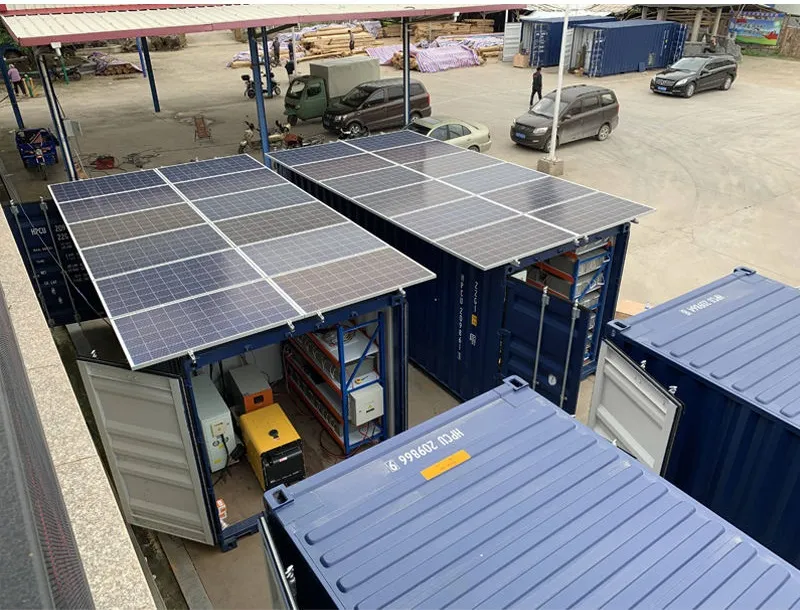
How educational institutions can overcome budget barriers to adopt solar energy—with a little help from innovative financing and trusted partners like Coloria
For school administrators, energy bills are more than just a monthly expense. They're a persistent headache. Between lighting classrooms, powering computers, heating and cooling buildings, and running cafeteria equipment, energy costs can eat up 10-15% of a school's operating budget—money that could otherwise go toward new textbooks, teacher training, or after-school programs. In regions like Saudi Arabia, where temperatures soar and air conditioning use spikes, these costs climb even higher.
But here's the thing: Schools are also uniquely positioned to benefit from solar energy. With large, flat rooftops and predictable energy needs, they're ideal candidates for solar panel installations. The sun doesn't just light up classrooms—it can power them, too. The problem? Many schools lack the upfront capital to invest in solar technology. That's where flexible financing comes in, turning "someday" into "today."
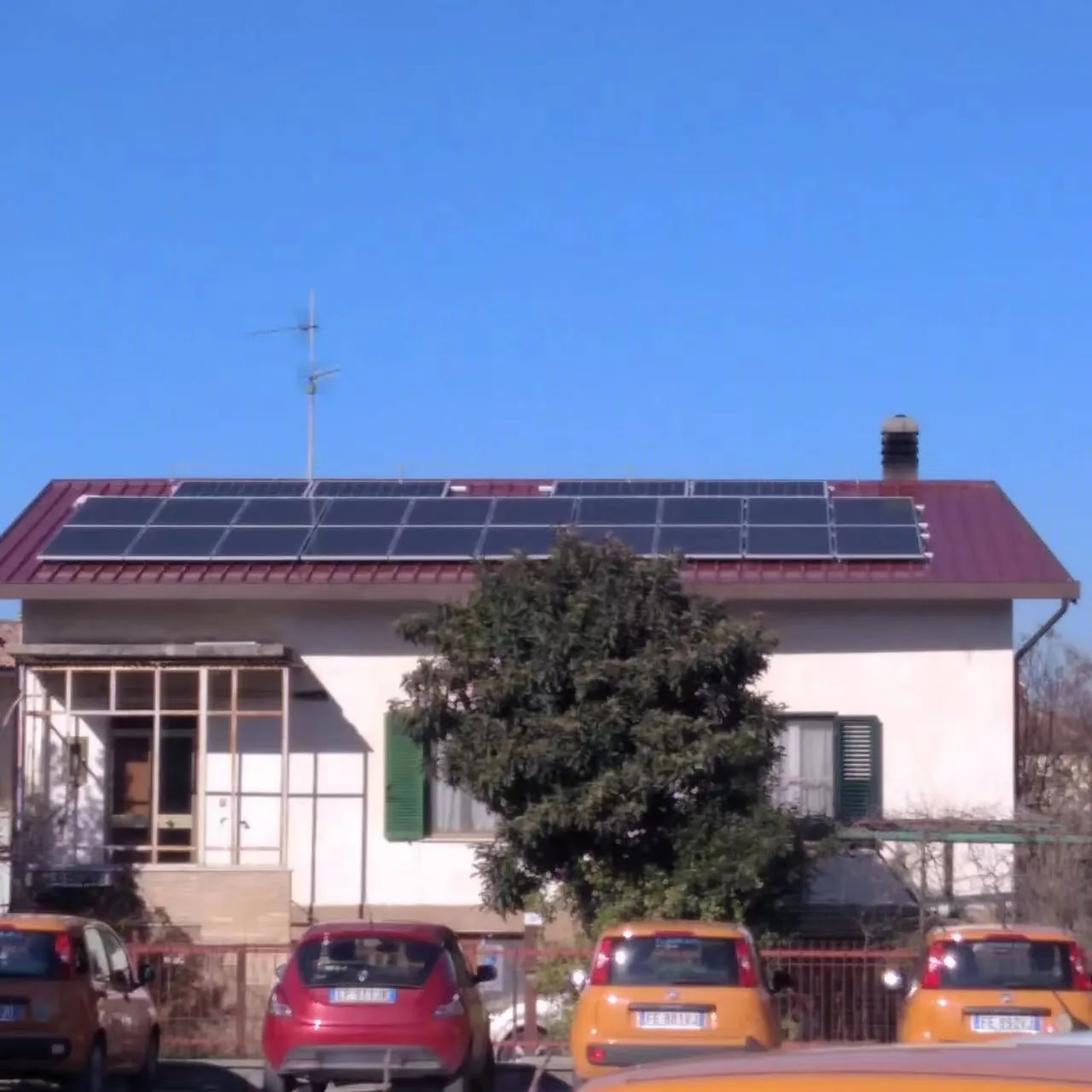
Before diving into financing, let's talk about why solar panels are worth the investment. Yes, they cut energy bills—but their impact goes deeper:
Take a typical K-12 school in Riyadh, for example. A 50kW solar system could generate 80,000 kWh annually—covering 40-50% of the school's electricity needs. Over 25 years, that's roughly SAR 500,000 in savings (based on current electricity prices). For a school district with multiple campuses, the numbers add up fast.
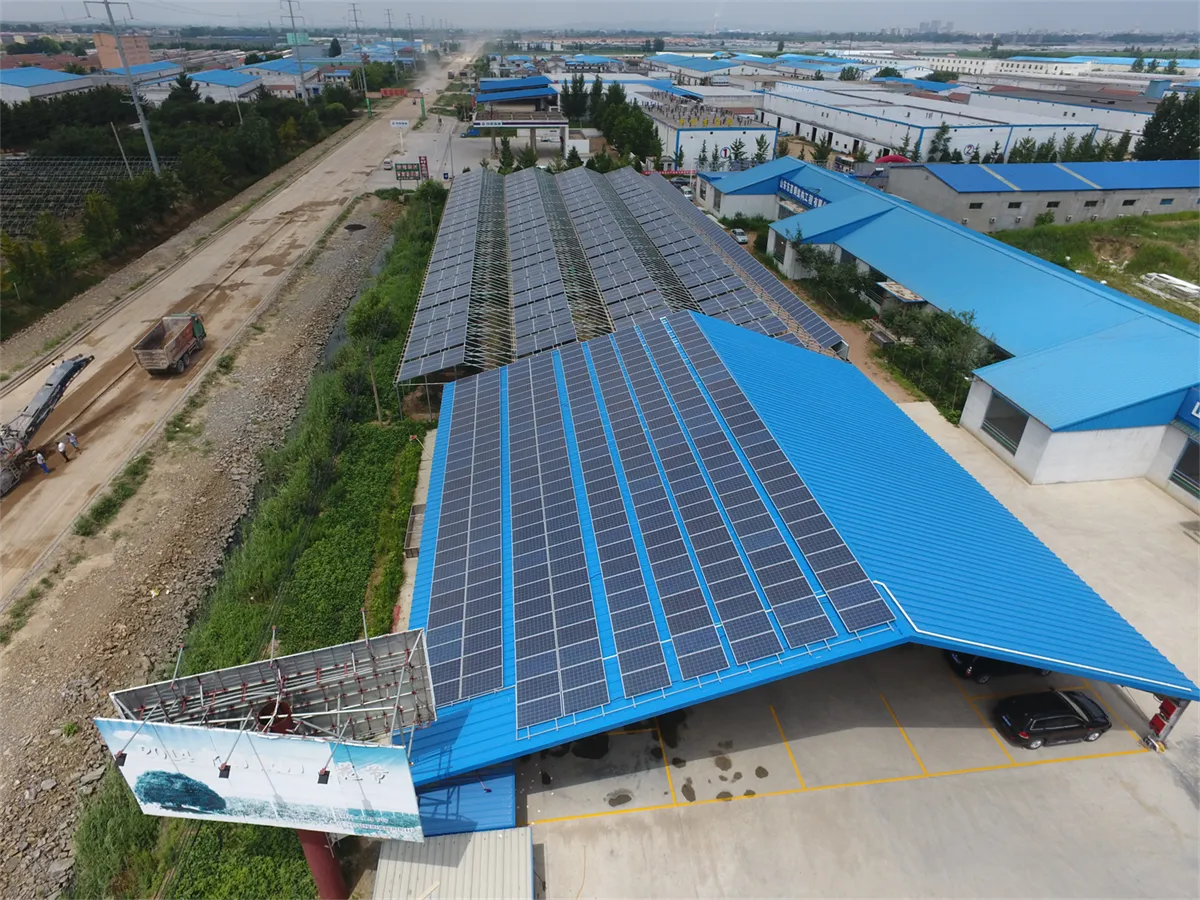
Despite the benefits, many schools hit a wall when it comes to financing. Traditional solar installations require significant upfront investment—often SAR 150,000 to SAR 500,000 for a single school. For cash-strapped districts, that's a non-starter. School budgets are already stretched thin, and capital funds are prioritized for urgent repairs (think leaky roofs or broken HVAC systems), not "nice-to-have" renewable projects.
Other barriers include:
These barriers are real—but they're not insurmountable. Flexible financing models are designed to address them, making solar accessible even for schools with tight budgets.
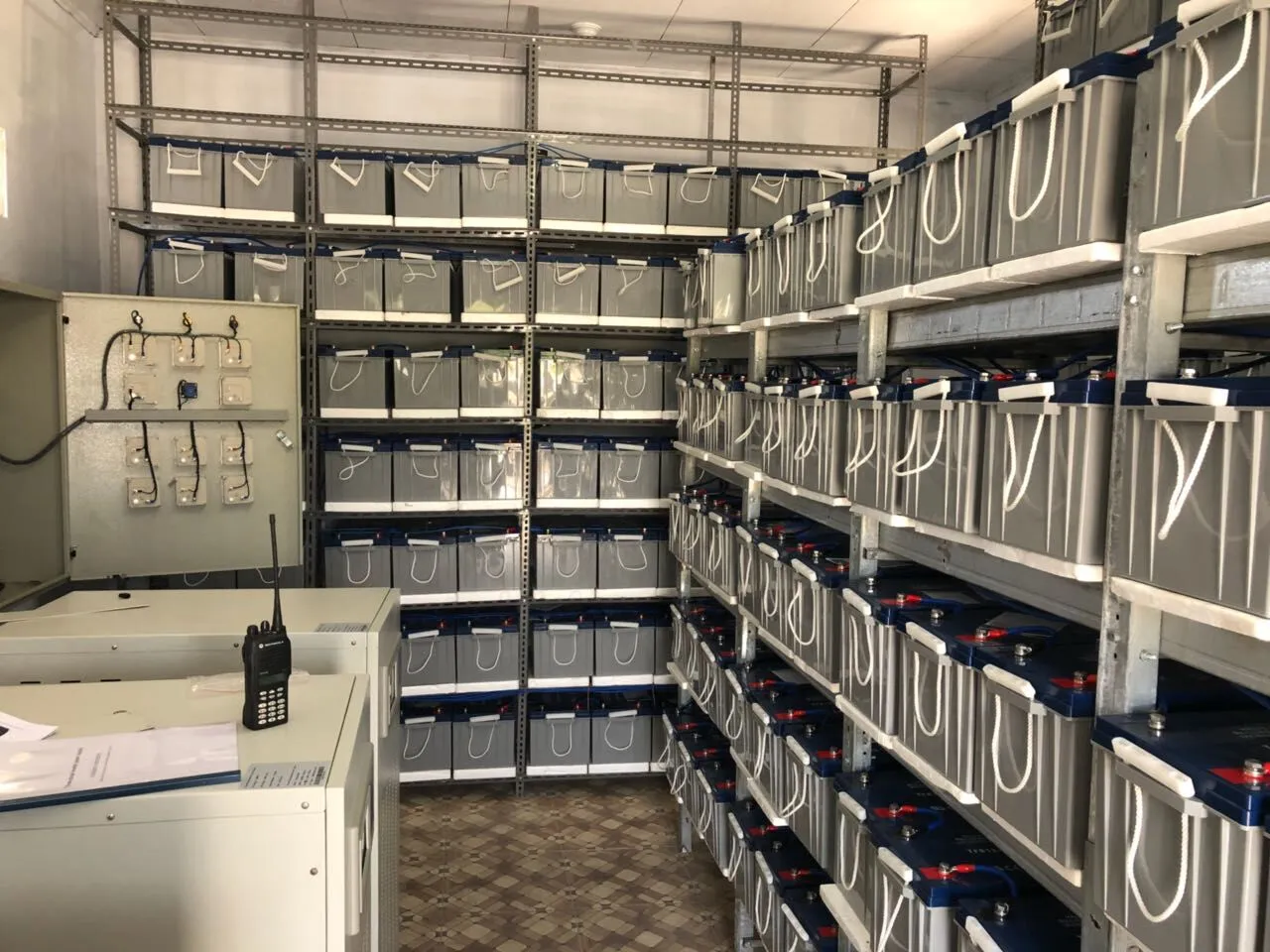
Forget the idea that solar requires a big check upfront. Today, there are multiple financing options tailored to schools' unique needs. Let's break down the most popular ones:
| Financing Model | How It Works | Best For | Pros | Cons |
|---|---|---|---|---|
| Solar Lease | The school pays a fixed monthly fee to lease the solar system. The provider owns, installs, and maintains the panels. | Schools with no upfront capital and limited maintenance capacity. | No upfront cost; predictable payments; maintenance included. | School doesn't own the system; may pay more over time than buying outright. |
| Power Purchase Agreement (PPA) | The school buys the energy the system produces at a discounted rate (often 10-30% below utility prices). The provider owns and maintains the system. | Schools that want to save immediately without long-term commitment. | Immediate savings; no maintenance costs; can end or renew the contract after 15-20 years. | School doesn't own the system; savings depend on utility rates. |
| Green Bonds | Municipalities or school districts issue bonds to fund solar projects. Investors earn interest, and the school repays the bond over time with energy savings. | Large districts or government-run schools with access to public financing. | Low interest rates; school owns the system; positive public relations. | Requires creditworthiness; longer approval process. |
| Government Grants & Subsidies | Local or national governments offer grants, tax incentives, or rebates to offset solar costs. In Saudi Arabia, programs tied to "2030 Vision" may support green projects. | Schools willing to navigate paperwork for free funding. | No repayment required; reduces upfront costs significantly. | Competitive; funds may be limited or earmarked for specific regions. |
For many schools, a mix of these options works best. For example, a school might use a government grant to cover 30% of upfront costs, then finance the rest with a low-interest green bond. Or, for a smaller campus, a PPA could provide immediate savings with zero risk.
Saudi Arabia is doubling down on renewable energy as part of its "2030 Vision," aiming to generate 50% of its electricity from renewables by 2030. Schools are a key part of this plan. The government has launched initiatives to support solar installations in educational institutions, including subsidies for green building materials and streamlined permitting for solar projects. For schools in Saudi Arabia, this means more funding opportunities and less red tape—making now the perfect time to explore solar solutions.
Choosing a financing model is just one piece of the puzzle. Schools also need reliable solar panels, expert installation, and ongoing support. That's where partners like Coloria come in. As a one-stop architectural solution provider with decades of experience in the Middle East, Coloria doesn't just sell solar panels—we guide schools through every step of the process, from design to financing to maintenance.
Take, for example, a girls' school in Jeddah that partnered with Coloria last year. The school had been struggling with rising energy bills, but didn't have the capital for solar. We helped them secure a government grant for 40% of the project, then arranged a low-interest loan for the rest. Today, their 30kW solar system covers 60% of their electricity needs, saving them SAR 45,000 annually. The students even track the system's output on a dashboard in the science lab—turning solar into a real-world lesson.
"Working with Coloria was game-changing. We'd talked about solar for years, but between the financing and the technical details, it always felt out of reach. They simplified everything, helped us find grants we didn't know existed, and even trained our staff to monitor the system. Now, we're saving money and teaching students about sustainability—win-win." – Principal, Jeddah International School
Ready to explore solar financing for your school? Here's how to get started:
Solar panels aren't a luxury for schools—they're a smart investment in education, sustainability, and financial stability. With flexible financing options and the right partner, any school can harness the power of the sun, cut costs, and inspire the next generation of green leaders.
At Coloria, we believe every school deserves access to affordable, reliable energy. Whether you're in Riyadh, Jeddah, or beyond, we're here to help you navigate the path to solar—one panel, one financing plan, one bright classroom at a time.
Ready to take the first step? Contact us today to schedule a free energy assessment. Let's turn your school's roof into a power plant—and your energy bills into savings.
Recommend Products












