
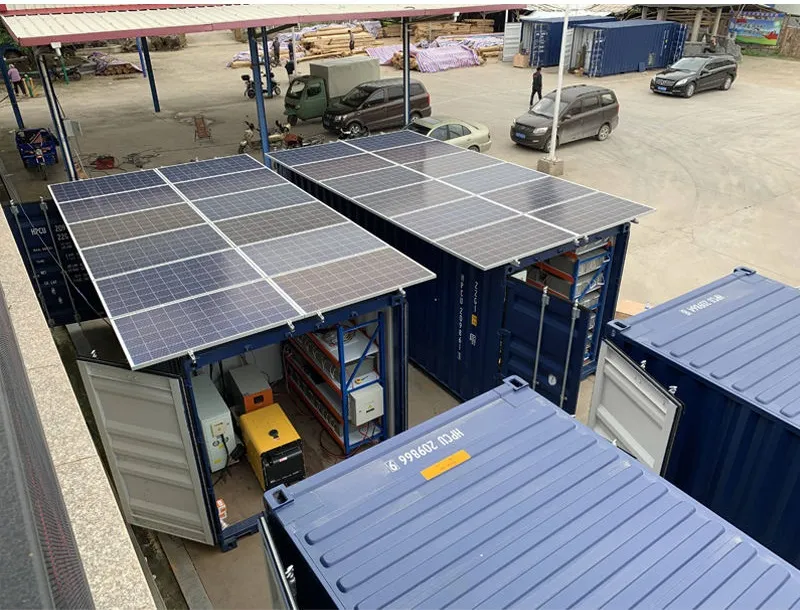
As the construction industry shifts toward more sustainable and energy-efficient practices, flex solar panels have emerged as a transformative technology. Unlike traditional rigid photovoltaic modules, flexible solar panels offer architects, contractors, and property developers a lightweight and adaptable alternative that can be installed on surfaces where conventional panels simply cannot go — from curved rooftops and facades to vehicles and temporary structures. For project managers overseeing large-scale developments, selecting the right solar solution requires balancing performance, durability, and cost-effectiveness, all of which flexible solar technology is increasingly capable of delivering.
Flexible solar panels are built on thin, bendable substrates — typically using monocrystalline silicon cells laminated between polymer layers — rather than the rigid glass and aluminum frames found in traditional panels. This construction gives them several practical advantages for building projects:
Lightweight design reduces structural load on roofs and facades, making them suitable for buildings where heavy traditional panels would require costly reinforcement.
Bendable form factor allows installation on curved, irregular, or non-flat surfaces, expanding the range of viable solar-ready architecture.
Simplified mounting eliminates the need for heavy racking systems, cutting both material costs and installation time.
Weather-resistant construction ensures reliable performance in harsh outdoor conditions, including high wind, rain, and UV exposure.
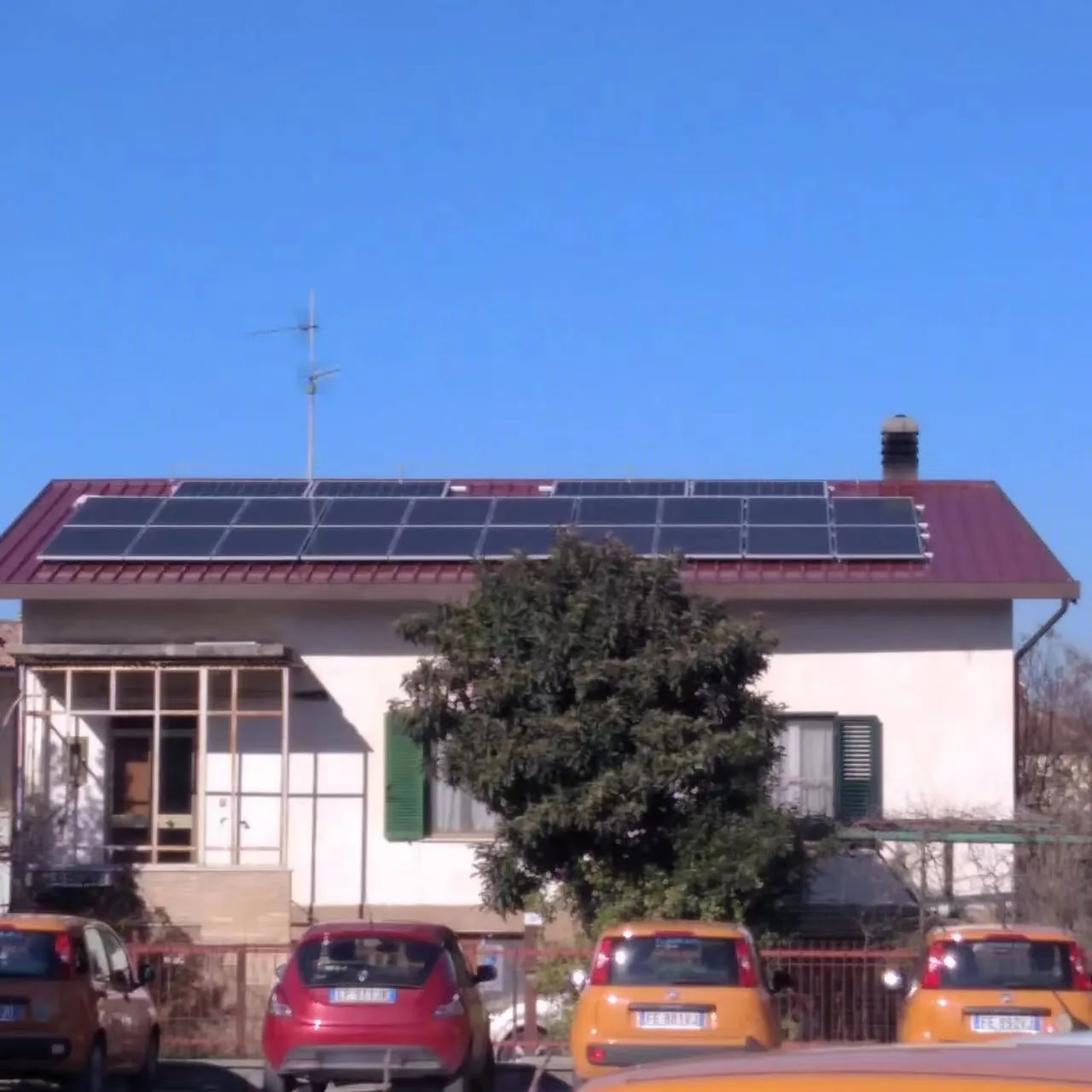
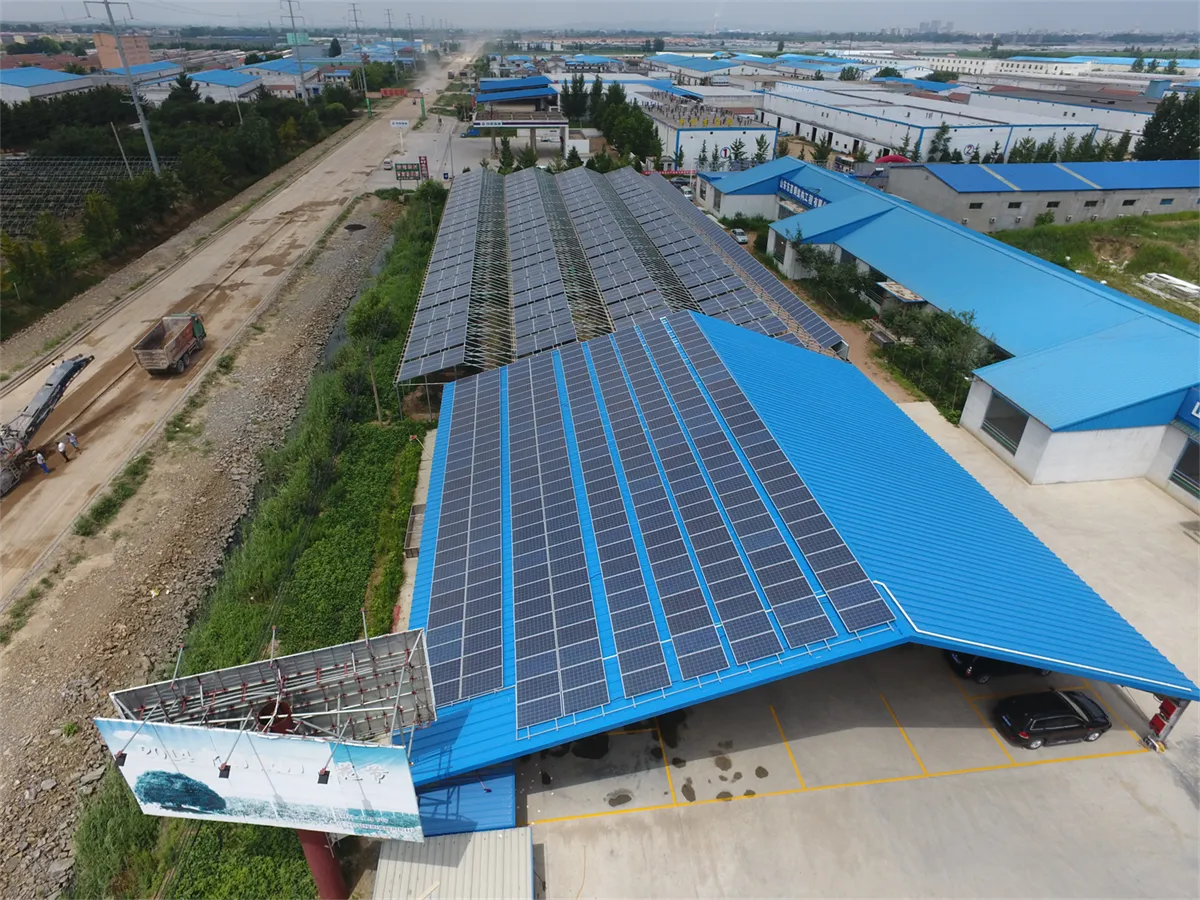
The versatility of flexible solar technology makes it relevant across multiple sectors of the building industry. Solar panels for commercial buildings are increasingly specified during the design phase of office complexes, retail centers, and industrial facilities, where large roof areas can be leveraged to offset operational energy costs. Flexible panels are particularly well-suited for commercial buildings with membrane or standing-seam metal roofs, where their lightweight nature avoids the need for roof reinforcement.
In the residential sector, flexible solar panels enable homeowners and developers to integrate renewable energy generation without compromising architectural aesthetics. They can be installed on curved roofing, balcony railings, and awning structures — areas where rigid panels would be impractical or visually intrusive. For off-grid applications such as cabins, tiny houses, and mobile homes, the portability and easy deployment of flexible panels offer a practical power solution that does not require permanent structural modifications.
Flexible solar panels are also gaining traction in infrastructure projects, including bus shelters, noise barriers along highways, and street lighting systems. Their ability to conform to non-standard surfaces opens up new possibilities for integrating solar generation into the built environment without compromising design intent.
Modern flexible solar panels use monocrystalline silicon cells that achieve conversion efficiencies comparable to many rigid panels, typically in the range of 18% to 23%. While the absence of a glass cover may slightly reduce long-term durability compared to framed panels, advances in polymer encapsulation technology have significantly improved weather resistance and lifespan. Many manufacturers now offer performance warranties of 10 to 25 years, putting flexible panels on a competitive footing with traditional options.
Power output per panel varies depending on size and cell configuration, with common options ranging from 100W to 400W per unit. For large-scale projects, panels can be connected in series or parallel to achieve the desired voltage and current specifications. The key is to match the panel specifications to the project's energy demand profile and available installation area.
When procuring flexible solar panels for a construction project, buyers should evaluate several critical factors beyond just price per watt. Product certifications such as IEC 61215 and IEC 61730 indicate that panels have undergone standardized testing for performance and safety. Build quality — including the type of encapsulation material, junction box sealing, and connector quality — directly affects long-term reliability in the field.
Working with a supplier that offers comprehensive product documentation, technical support, and after-sales service is equally important. A one-stop architectural solution provider can simplify the procurement process by offering flexible solar panels alongside complementary building materials such as roofing systems, electrical fixtures, and energy storage solutions. This integrated approach reduces supply chain complexity and ensures compatibility between different building components.
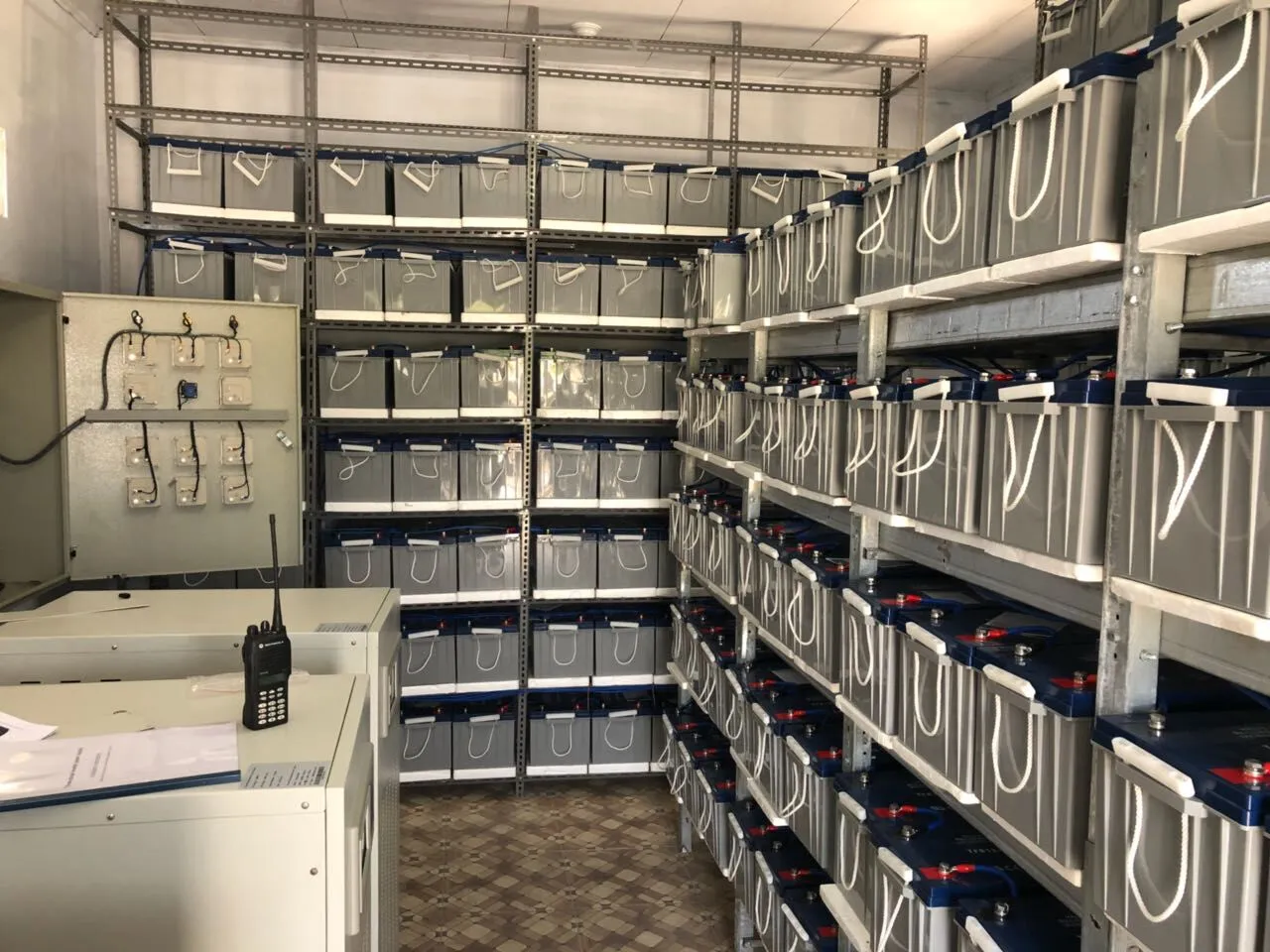
Flexible solar panels do not exist in isolation — they are part of a larger building ecosystem that includes wiring, inverters, mounting hardware, and often battery storage. For project developers, coordinating these components across multiple suppliers can be a logistical challenge. A supplier that covers the full spectrum of building materials — from walls and flooring to electrical fixtures, pipes, and solar panels — offers clear advantages in terms of procurement efficiency, compatibility assurance, and cost control.
COLORIA GROUP, headquartered in Foshan, China, is one such provider. With a catalog spanning 13 product categories and over 560 products, the company supplies flexible solar panels as part of a comprehensive building materials portfolio that includes everything from interior wall panels and sanitary fixtures to elevators and decorative profiles. This breadth of coverage allows project managers to consolidate their sourcing through a single, reliable channel, reducing the administrative burden of dealing with multiple vendors.
For contractors and developers, the economics of flexible solar panels go beyond the upfront purchase price. The reduced installation cost — thanks to simpler mounting and lighter weight — can significantly lower the total installed cost per watt compared to rigid systems. When procured in bulk directly from a manufacturer or an established supplier, per-unit pricing becomes even more favorable.
Sourcing from China, which dominates global solar panel production, offers access to competitive pricing without compromising on quality. Many Chinese manufacturers have invested heavily in automated production lines and quality control systems, producing panels that meet international standards at price points that are difficult for manufacturers in other regions to match. For buyers in markets such as the Middle East, Africa, Southeast Asia, and South America, this combination of quality and affordability is particularly compelling.
Flexible solar panels represent a practical and forward-looking choice for modern construction projects. Their lightweight, adaptable design unlocks solar energy generation on surfaces that rigid panels cannot serve, while their growing efficiency and durability make them a credible alternative for mainstream applications. For project developers, partnering with a supplier that offers flexible solar panels within a broader range of building materials streamlines procurement and ensures consistent quality across all components.
If you are planning a construction project and want to explore how flexible solar panels can be integrated into your design, reach out to COLORIA GROUP today. With extensive experience in supplying building materials for residential, commercial, and infrastructure projects worldwide, the team can provide tailored recommendations and competitive wholesale pricing. Visit www.coloriagroup.net or contact the sales team directly to discuss your requirements.
Recommend Products












