
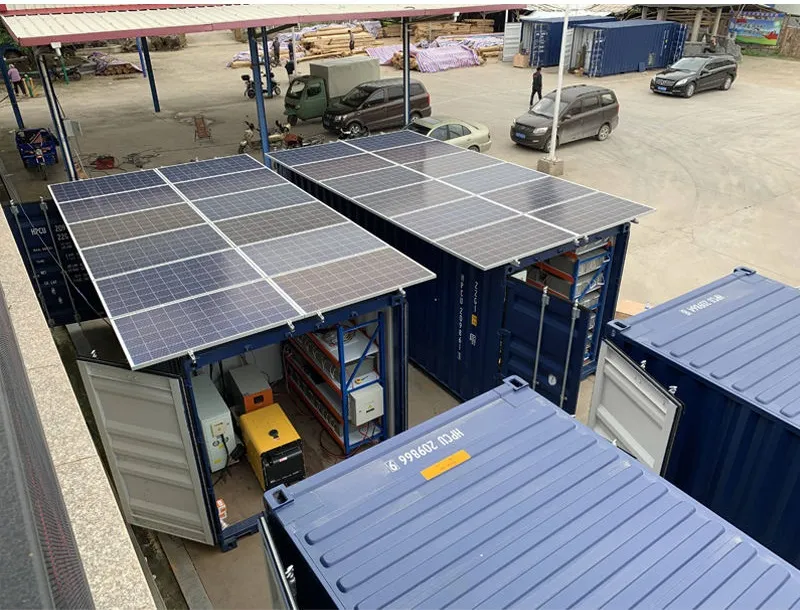
In the era of sustainable construction, flat roof solar panels have emerged as a game-changer for both residential and commercial buildings. More than just a trend, they represent a practical investment in energy independence, cost savings, and environmental responsibility. For property owners, architects, and contractors, the challenge lies not just in choosing solar panels—but in designing a system that truly maximizes energy output while integrating seamlessly with the building's structure and needs. As a one-stop architectural solution provider , we understand that successful solar projects require more than just quality products; they demand a holistic approach that combines expert design, reliable materials, and localized expertise.
Flat roofs, often overlooked in traditional construction, offer unique advantages for solar installations. Unlike sloped roofs, they provide a blank canvas for optimizing panel placement, angle, and spacing—key factors in energy efficiency. For commercial buildings, in particular, flat roofs are often underutilized spaces that can be transformed into productive energy-generating assets. Imagine a warehouse, office complex, or retail center where every square foot of roof contributes to reducing electricity bills and carbon footprints. That's the potential of flat roof solar panels.
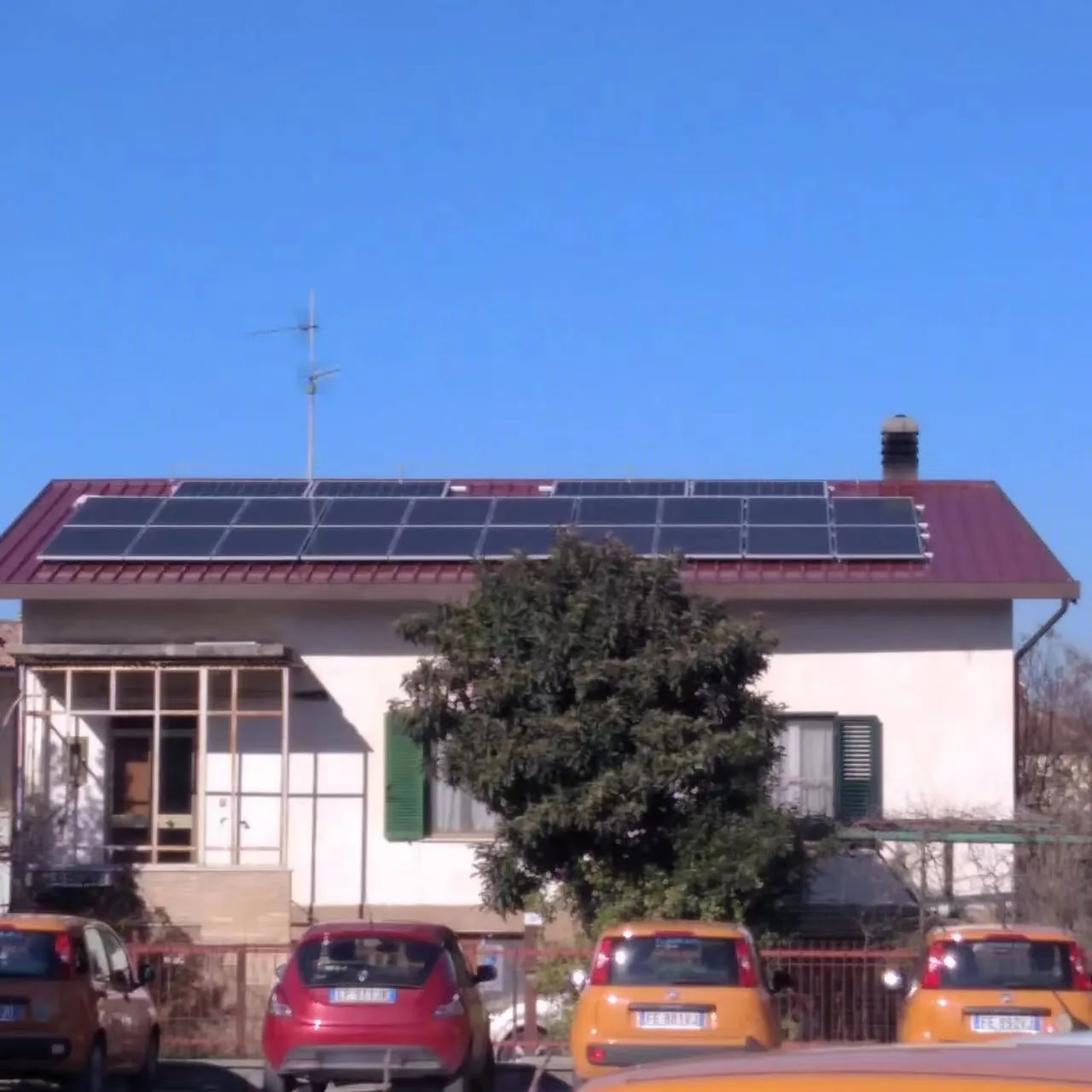
Designing a high-performance flat roof solar system is a balancing act between engineering precision and practicality. Here's how experts approach each critical factor:
The sun's path varies by location, and even small adjustments in tilt angle can significantly impact energy production. In regions like Saudi Arabia, where sunlight is abundant year-round, optimizing tilt angles for seasonal changes (steeper in winter, shallower in summer) ensures consistent output. For example, a 25-degree tilt in Riyadh can increase annual energy yield by up to 12% compared to a flat-mounted system.
Solar panels, mounting systems, and wiring add weight to the roof—making structural assessments non-negotiable. A saudi arabia building materials supplier with local experience understands the unique challenges of the region's climate, from high temperatures to sandstorms, and can recommend lightweight yet durable materials that meet local building codes. For instance, aluminum mounting frames reduce weight without sacrificing strength, while reinforced sustainable building solutions like bamboo charcoal board wall panels can complement the roof's load-bearing capacity.
Solar panels perform best when kept cool. Trapped heat between the roof and panels can reduce efficiency by up to 25%. Designing a system with adequate airflow—whether through raised mounting rails or gap spacing—prevents overheating. In hot climates like the Middle East, this isn't just an option; it's essential for long-term performance.
| Design Factor | Traditional Approach | Expert Optimized Approach | Energy Output Improvement |
|---|---|---|---|
| Tilt Angle | Fixed at 10 degrees | Seasonal adjustment (15-30 degrees) | 10-15% |
| Panel Spacing | Dense packing (no gap) | 30cm gap for ventilation | 8-12% |
| Mounting System | Heavy steel frames | Lightweight aluminum with heat dissipation | 5-7% (reduced heat-related loss) |
| Orientation | South-facing only | Multi-directional (east-west hybrid) | 12-18% (extends peak production hours) |
Even a small shadow from a vent, chimney, or nearby building can cripple a solar panel's output. Advanced design tools, like 3D modeling and sun path analysis, help identify potential shading issues before installation. For complex roofs with multiple obstacles, micro-inverters (which optimize power for each panel) can minimize losses—ensuring that one shaded panel doesn't drag down the entire system.
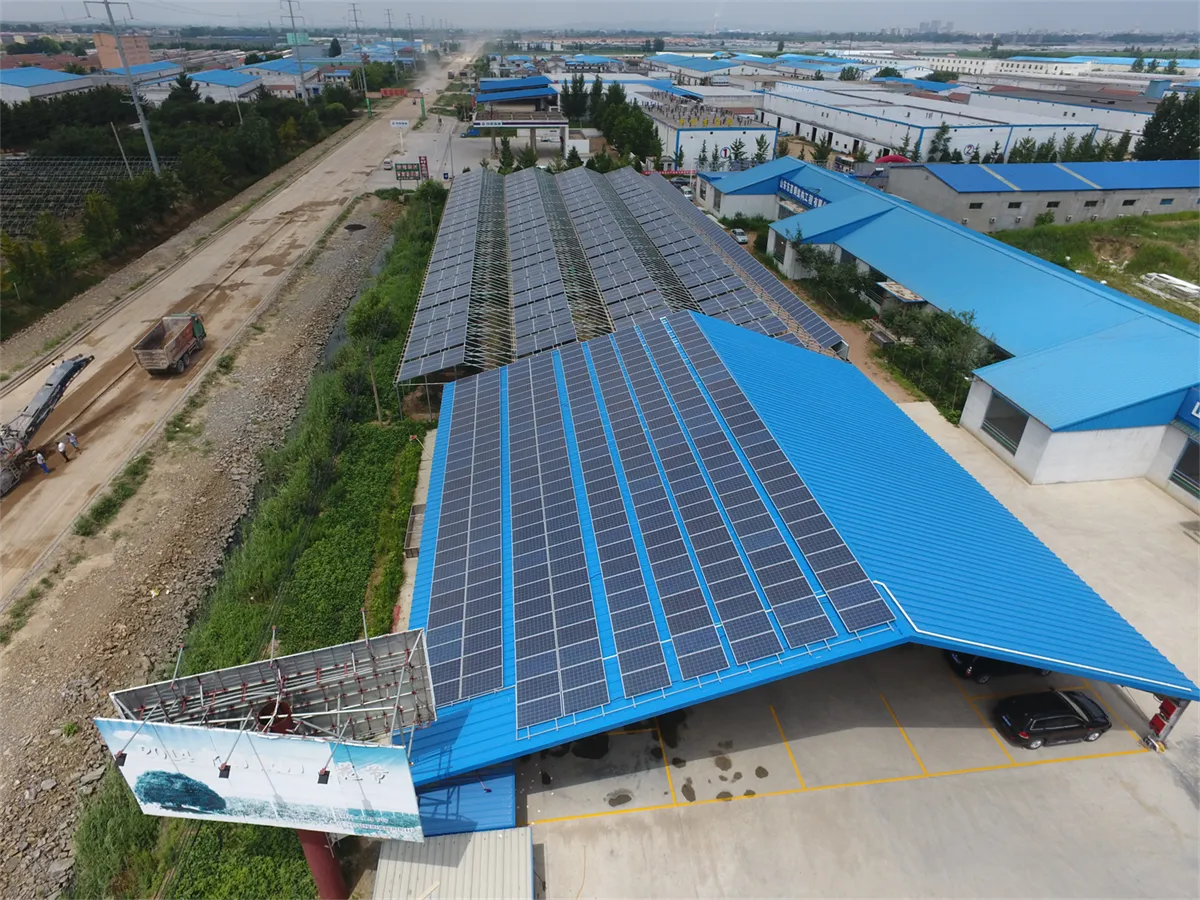
A well-designed system is only as good as the materials it's built with. When it comes to flat roof solar panels, durability and compatibility are key. Here's how choosing the right materials makes a difference:
As a provider of green building materials , we prioritize products that align with global sustainability goals. Our solar panels, for example, are manufactured with 85% recyclable materials, and our mounting systems use recycled aluminum—proving that eco-friendly choices don't have to compromise quality.
A 10-story office complex in Riyadh faced two challenges: high electricity costs and a commitment to Saudi Arabia's 2030 Vision for sustainability. The building's flat roof was underutilized, and the client wanted a system that could power 40% of the building's needs while integrating with existing infrastructure.
As their one-stop architectural solution provider , we handled every step: from conducting a structural assessment to designing a custom mounting system that avoided roof penetrations, sourcing high-efficiency solar panels, and coordinating with local contractors for installation. We also integrated whole-house customization features, such as smart inverters that sync with the building's energy management system.
Result: The system now generates 350,000 kWh annually, reducing the building's carbon footprint by 280 tons and cutting electricity bills by 45%. The client also qualified for government incentives under the 2030 Vision's green energy initiatives—proving that local expertise and global solutions can drive real impact.
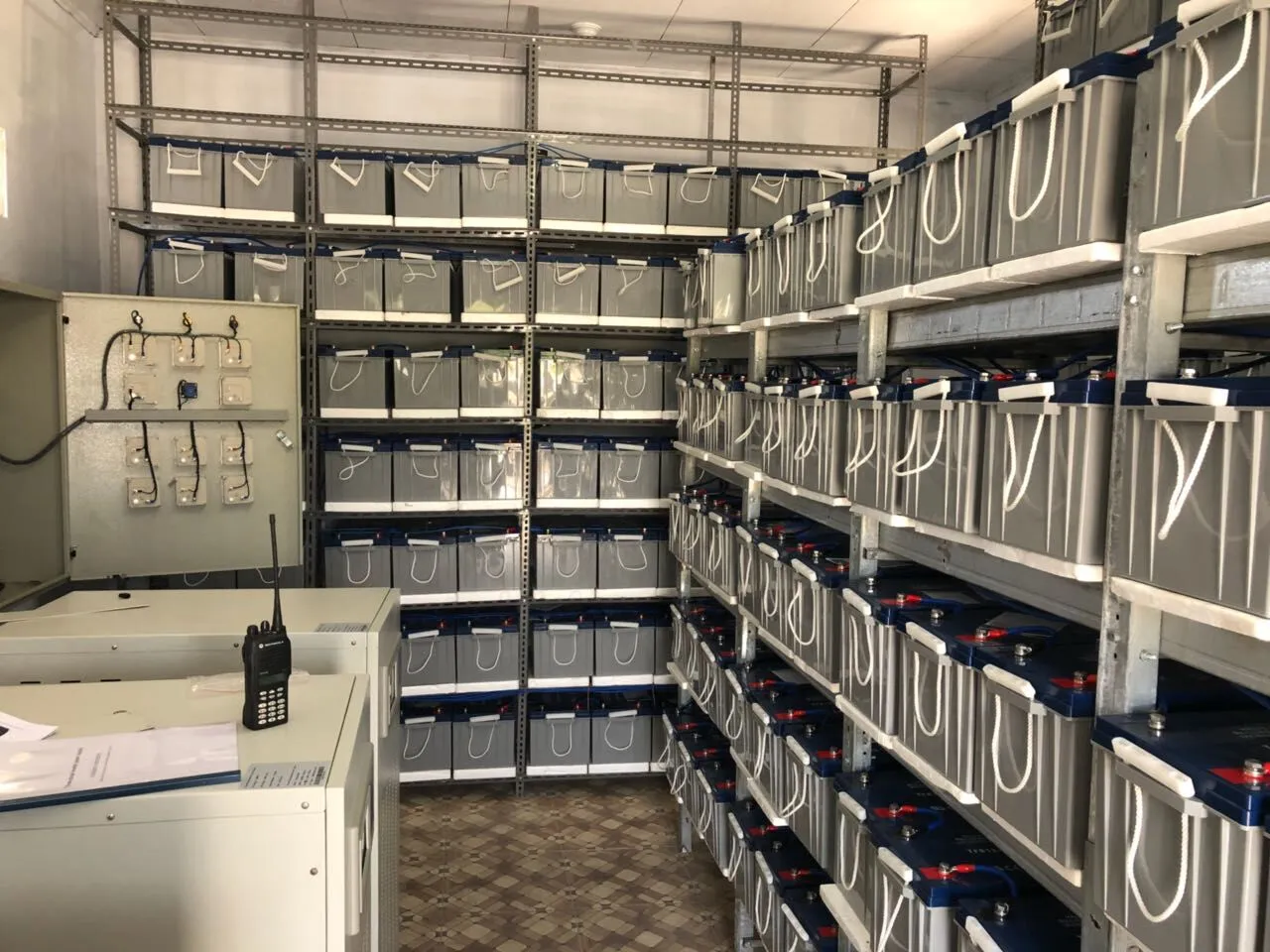
Solar installations involve dozens of components, from panels and mounts to wiring and inverters. Coordinating with multiple suppliers can lead to delays, compatibility issues, and increased costs. A one-stop provider streamlines the process by offering:
The future of flat roof solar panels lies in smart, connected systems. Imagine panels that adjust their tilt automatically based on real-time sun tracking, or systems that store excess energy in battery backups for use during peak hours. As sustainable building solutions evolve, we're already integrating these innovations into our designs:
Flat roof solar panels are more than an energy solution; they're a statement about your commitment to sustainability, efficiency, and innovation. Whether you're building a new commercial complex in Jeddah, retrofitting a residential building in Riyadh, or planning a hospitality project in Dubai, the key to maximizing energy output lies in expert design and reliable materials.
As a one-stop architectural solution provider with deep roots in the Middle East and a global network of suppliers, we don't just sell solar panels—we build partnerships. From the first design sketch to the final switch-on, we're dedicated to creating systems that perform, last, and contribute to a greener future. Let's transform your flat roof into an energy-generating asset that works as hard as you do.
Recommend Products












