


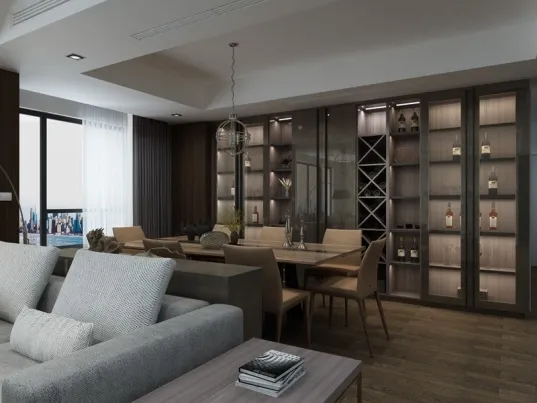
Hey there, wine enthusiast! Bringing home that shiny new wine cabinet feels like adopting a sophisticated pet for your collection – it needs the right environment and care to help your bottles thrive. Whether you’ve invested in a sleek freestanding unit or integrated a built-in model into your kitchen, this guide will navigate you through every "should I" and "what if" with warmth and clarity.
Getting Started: Unboxing & Placement Wisdom
The 48-Hour Rest Rule
Ever notice how your wine needs to breathe after travel? Your cabinet does too! After delivery, let it rest upright for two full days. Why? Compressor oil settles during transit – turning it on immediately could cause costly damage. Use this time to dream about your first celebratory bottle!
Location Matters More Than You Think
That cozy nook between the oven and dishwasher? Wine’s worst nightmare. Heat and vibration are silent bottle killers. Optimal spots:
- Away from direct sunlight (UV rays fade labels and alter flavors)
- Minimum 4 inches clearance around vents
- Sturdy flooring – no wobbling!
- ️ Room temperatures under 80°F (27°C)
The First Power-Up: A Delicate Dance
Temperature Setting Sweet Spots
One size doesn’t fit all wines! Reds might sulk if whites feel comfy. Ideal zoning:
| Wine Type | Temp Range | Humidity Sweet Spot |
|---|---|---|
| Sparkling | 45-50°F (7-10°C) | 60-70% |
| Whites | 50-55°F (10-13°C) | 60-70% |
| Light Reds | 55-60°F (13-16°C) | 55-70% |
| Full Reds | 60-65°F (16-18°C) | 55-65% |
Pro Tip: Set 2°F (1°C) cooler than target – interiors warm slightly when you open the door.
The Dreaded Condensation Question
Seeing droplets inside? Don’t panic! Temporary condensation is normal during first cooling cycles. It should stabilize within 72 hours. If it persists:
- ️ Check door seals – try the “dollar bill test” (if you can pull a bill easily from closed door, replace seals)
- Reduce room humidity with a dehumidifier if over 60%
Your Top 10 Wine Cabinet Dilemmas Solved
"My wine cabinet is loud – is this normal?"
During initial cooldown, fans work overtime and compressors cycle frequently – this can be noisy! Track decibels: a gentle hum (40 dB) is fine; a washing-machine rumble (60+ dB) suggests warranty time. Avoid placing on hollow flooring which amplifies vibration.
"Why is there a plastic smell?"
New appliance odors are common. Ventilate with baking soda bowls inside for 1 week. Never use chemical cleaners – they taint aromas! A sliced lemon absorbs odors naturally.
"Can I store wine vertically temporarily?"
Occasional vertical storage is ok for nights (like post-dinner leftovers), but corks dry horizontally after 72 hours. ⚠️ For screw-top bottles? Store any direction!
"Do LED lights damage wine?"
Modern cabinets use ultra-low-heat LEDs. Unlike UV-rich fluorescents, quality LEDs emit negligible radiation. Still, keep durations short – illuminating your gems mainly for guests adds drama!
"How often should I clean the filters?"
Monthly vacuuming of exterior coils maintains efficiency. Interior cleaning? Do a deep wipe quarterly with 1:3 vinegar-water solution. Hard water marks vanish with lemon juice!
"Why isn't my wine chilling to the set temperature?"
Three likely culprits: 1. Door openings too frequent (aim for ≤5x/day max) 2. Overfilling blocking airflow 3. Ambient room temperature exceeding 80°F (27°C) Monitor with an independent thermometer for reality checks!
Beyond the Basics: Elevating Your Wine Journey
Organization as an Art Form
Cramming bottles like sardines stifles air circulation – the enemy of consistent temperatures. Rule of thirds: fill top shelves with ready-to-drink bottles, middle for mid-term aging, bottom for VIP “do not touch” reserves. Bonus? Use a free app like CellarTracker to photograph labels and log positions!
Recognizing When Your Collection Outgrows Your Cabinet
Your temperature-controlled wine cabinet has limits – stacking wines on their sides on top is a red flag! When to upgrade:
- ⚖️ Capacity exceeds 80% for 3+ months
- ️ Temperature fluctuates >±2°F daily
- ⏳ Rare bottles exceed 5-year aging
A wine room provides precise zone controls for serious collectors.
Your wine cabinet is so much more than an appliance – it’s the quiet curator of celebrations past and memories to come. Nail these first steps, and it’ll reward you with perfectly preserved happiness. Here’s to bottles that taste exactly as the winemaker intended!










