

Walk into any modern building—whether it's a bustling shopping mall, a quiet hospital ward, or a vibrant school corridor—and you'll notice that walls do more than just divide spaces. They're silent guardians, shaping the atmosphere and, crucially, protecting lives. In recent years, the conversation around building safety has zeroed in on one critical factor: fire resistance. When a fire breaks out, the materials used in walls can mean the difference between containment and catastrophe. This is where PU stone wall panel solutions have emerged as a game-changer, blending aesthetic appeal with unmatched fire safety. Let's dive into why these panels are becoming the top choice for architects, contractors, and building owners who refuse to compromise on protection.
Before we get into their fire-fighting superpowers, let's clarify what PU stone wall panels actually are. At their core, these panels are a clever fusion of technology and nature. They start with a base of polyurethane (PU) foam—a lightweight, durable material—mixed with crushed stone aggregates to mimic the look and texture of natural stone. But here's the twist: during manufacturing, specialized fire retardant additives are integrated into the mix, turning an already versatile product into a fire-resistant powerhouse. The result? Panels that look like expensive marble or granite but weigh a fraction of the real thing, install in hours (not days), and most importantly, stand up to extreme heat.
Think of them as the "Swiss Army knife" of interior decoration materials . They're used in everything from luxury hotels to budget-friendly offices because they offer the best of both worlds: high-end aesthetics without the high-end maintenance or safety risks. But what really sets them apart is their commitment to fire safety—a feature that's non-negotiable in today's building landscape.
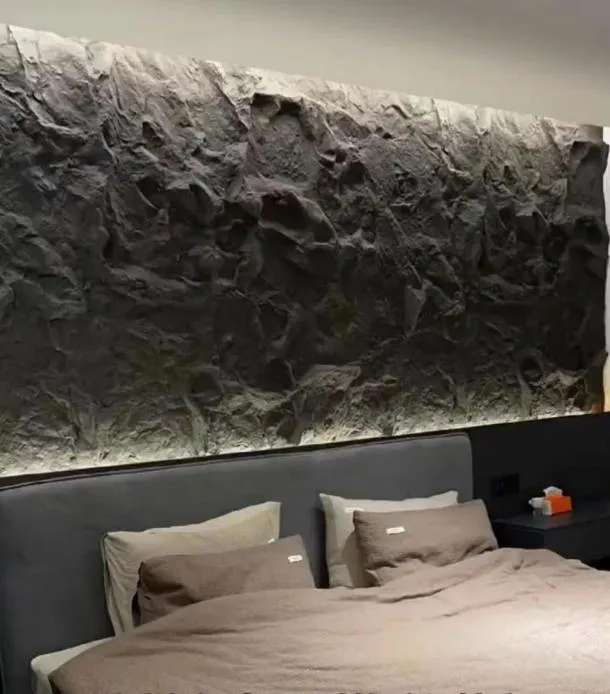
Let's talk about the elephant in the room: building fires. According to the National Fire Protection Association (NFPA), structure fires cause billions in property damage annually, and a significant portion of that damage is due to materials that fail to resist or slow down flames. Traditional wall panels—like some wood-based or PVC options—can act like kindling, catching fire quickly and releasing toxic smoke that endangers lives. In spaces like schools, hospitals, or busy commercial buildings, where evacuation can be challenging, this isn't just a risk—it's a liability.
Building codes have tightened in response. Today, most regions require wall materials in public spaces to meet strict fire safety standards, often mandating a Class A fire rating (the highest possible, meaning the material is non-combustible and doesn't contribute to fire spread). This is where cutting corners can cost lives. Imagine a school with outdated wall panels that ignite easily—within minutes, a small electrical fire could turn into a raging inferno. Now imagine that same school with PU stone panels: the fire struggles to spread, smoke is minimal, and students and staff have precious extra minutes to evacuate. That's the difference fire retardant features make.
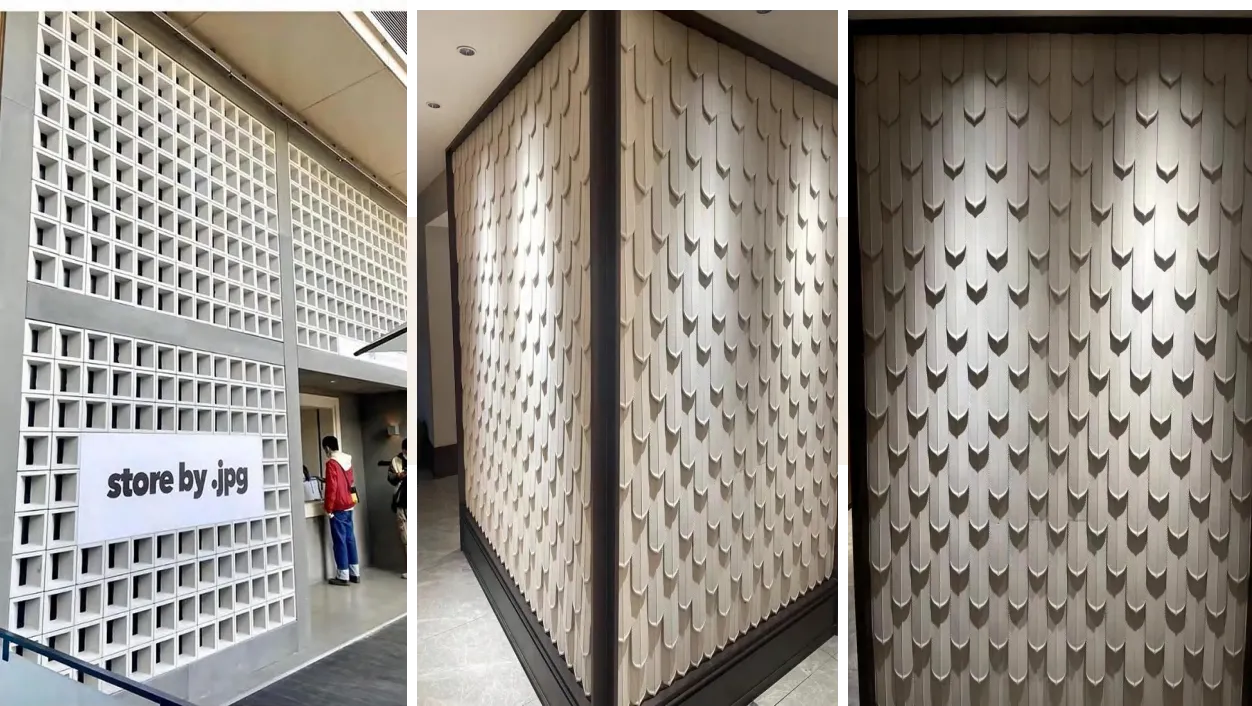
So, what exactly makes these panels so fire-resistant? Let's break it down into five key features that work together to keep fires at bay:
Unlike some wall panels that rely on a thin fire-resistant coating (which can wear off over time), PU stone panels have fire retardancy built right into their DNA. The polyurethane foam base is treated with additives like aluminum hydroxide or magnesium hydroxide. When exposed to high heat, these additives release water vapor, which cools the panel and blocks oxygen from fueling the fire. It's like having a built-in sprinkler system within the material itself—no extra steps needed.
Ever watched a campfire spread when you add dry leaves? That's how some wall panels behave with flames—they catch quickly and spread rapidly. PU stone panels? Not so much. Thanks to their dense composition and fire retardant additives, they have a flame spread index (FSI) of ≤15, which is well below the Class A requirement of ≤25. In plain English: if a flame touches them, they won't help it spread. Instead, the fire stays localized, giving firefighters time to contain it before it gets out of hand.
Here's a party trick: remove the flame source from a PU stone panel, and it stops burning. Most materials would keep smoldering or reignite, but these panels self-extinguish. Why? The PU foam's chemical structure breaks down when heated, forming a char layer on the surface. This char acts as a barrier, insulating the remaining material from the fire and cutting off its fuel supply. It's like the panel says, "Nope, I'm not playing along," and snuffs itself out. This is a lifesaver in scenarios where a fire starts small—say, from a faulty socket—and is quickly discovered. The panel doesn't let it grow into something bigger.
Did you know that most fire-related deaths aren't from burns—they're from smoke inhalation? Toxic fumes from burning materials can knock people unconscious in seconds, making evacuation impossible. PU stone panels address this head-on. Their fire retardant formula minimizes smoke production, and the smoke that is released is low in toxicity. Compare that to PVC panels, which release hydrochloric acid gas when burned—a chemical that irritates lungs and eyes, turning a bad situation worse. For hospitals and schools, where vulnerable people (patients, children) are present, this low-smoke feature is non-negotiable.
Even if a fire is raging on one side of a PU stone wall, the panel acts as a heat insulator. Polyurethane foam is naturally a poor conductor of heat, so it slows the transfer of high temperatures to the other side. This means adjacent rooms stay cooler for longer, preventing secondary fires and giving people more time to escape. In commercial buildings like shopping malls, where walls separate stores and public areas, this heat resistance can contain a fire to its origin, protecting both property and lives.
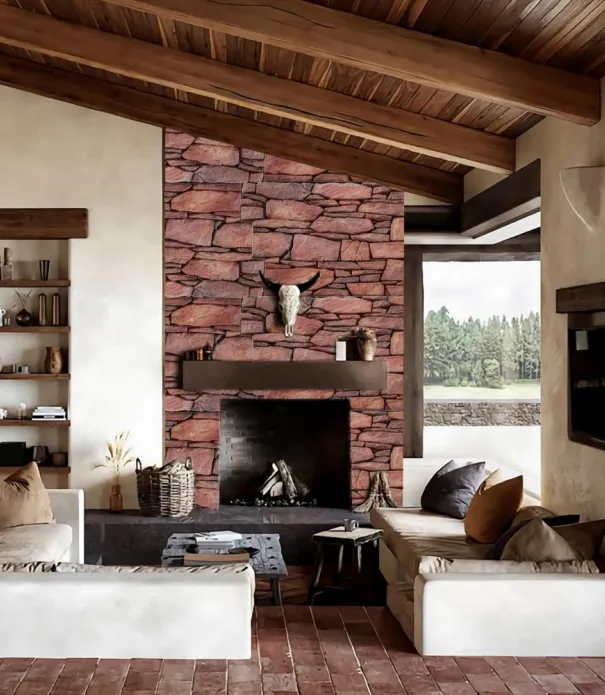
You might be thinking, "Okay, PU stone panels sound great, but aren't there other fire-resistant options?" It's true—materials like MCM flexible cladding or bamboo charcoal boards are also marketed as "fire-safe." But how do they really compare? Let's take a look:
| Material | Fire Rating | Flame Spread Index | Smoke Emission | Weight (kg/m²) | Ideal For |
|---|---|---|---|---|---|
| PU Stone Wall Panels | Class A | ≤15 | Low (Non-toxic) | 8-12 | Schools, Hospitals, Malls |
| MCM Flexible Cladding | Class B | 25-35 | Moderate | 15-20 | Exterior Facades (Low-Rise) |
| Bamboo Charcoal Board | Class B/C | 30-45 | Moderate | 18-22 | Residential Interiors |
| Traditional PVC Panels | Class D | >50 | High (Toxic) | 5-8 | Temporary Structures Only |
The numbers speak for themselves. PU stone panels outperform most alternatives in fire safety, while also being lighter (easier to install) and more versatile. For spaces where fire safety is critical—like hospitals using class a fireproof cpl inorganic board for hospital and school supplier materials—this comparison is a no-brainer.
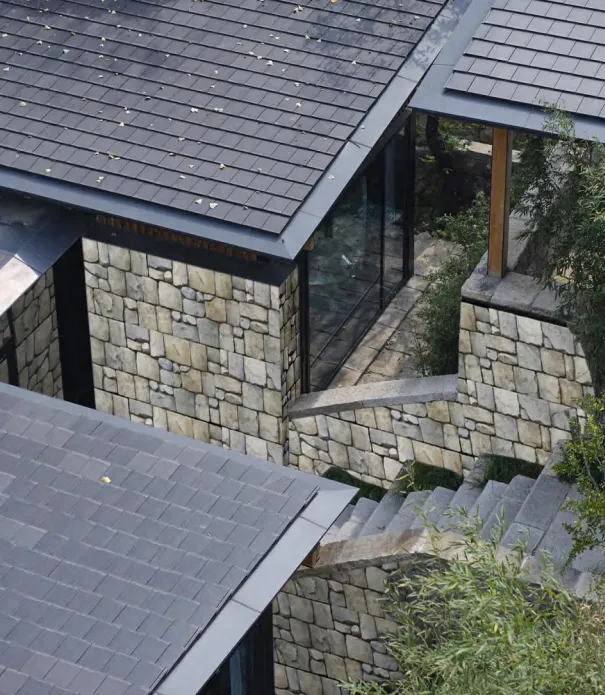
These panels aren't just for show—they're designed for real-world use in spaces where safety can't be compromised. Let's look at a few key applications:
Children and teens spend 6+ hours a day in school, so fire safety here is personal. PU stone panels are ideal for classrooms, hallways, and auditoriums because they're non-toxic, low-maintenance, and meet the strictest fire codes. Imagine a science lab where a Bunsen burner accident sparks a small fire—with PU panels, the flames won't spread to the next classroom, and students can evacuate calmly.
Hospitals are full of oxygen tanks, electrical equipment, and patients who can't move quickly. A fire here is a worst-case scenario. PU stone panels' low smoke emission and self-extinguishing properties make them a top choice for patient rooms, ICUs, and corridors. They also resist moisture and mold, which is crucial in sterile environments—no more worrying about water damage weakening fire resistance over time.
Malls, offices, and hotels need to look good and be safe. PU stone panels come in dozens of finishes—from sleek marble to rustic limestone—so they fit any design scheme. A high-end hotel lobby with PU stone walls doesn't just impress guests; it ensures that if a kitchen fire breaks out, the flames won't race through the building. For commercial building materials supplier s, this versatility makes PU panels a hot commodity—they can cater to both luxury and budget projects without sacrificing safety.

Let's be clear: fire retardancy is their star feature, but PU stone panels have more to offer. They're lightweight (about 1/5 the weight of natural stone), so they reduce structural load on buildings and cut installation time by 50%. They're also water-resistant, so they won't warp or rot in humid climates—perfect for bathrooms or coastal areas. And because they're factory-made to precise measurements, there's minimal waste during installation, making them an eco-friendly choice too.
Oh, and did we mention cost? Natural stone can cost $50-100 per square foot installed. PU stone panels? $20-40 per square foot. That's a huge savings, especially for large projects. So you're getting better fire safety, faster installation, and lower costs—all while looking like a million bucks. It's a win-win-win.
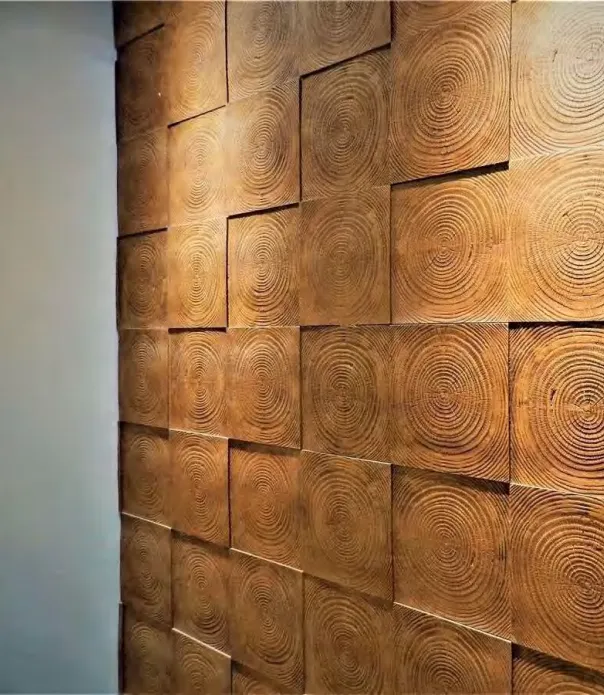
Not all PU stone wall panels are created equal. To get the fire retardant features we've discussed, you need to work with a reputable commercial building materials supplier who prioritizes quality. Here's what to look for:
For too long, building owners had to choose between "safe" and "stylish" when it came to wall materials. Dull, industrial fire-resistant panels or beautiful but risky natural stone—no in-between. PU stone wall panel solutions change that narrative. They prove that you can have walls that turn heads and save lives, that meet the toughest fire codes without sacrificing design. Whether you're building a school, a hospital, or a skyscraper, these panels are more than just a material—they're a promise to protect the people inside.
So the next time you walk into a building with stunning stone walls, take a closer look. Chances are, those walls aren't just pretty—they're working hard to keep you safe. And that's a trend we can all get behind.
Recommend Products











