

Every time we walk into a building—whether it's the school where our children learn, the hospital where we seek care, or the apartment where we lay our heads at night—we rarely stop to think about the materials that hold it together. But behind those walls, ceilings, and facades lies a silent guardian: the building materials that stand between us and potential disaster. In recent years, headlines have reminded us of the catastrophic consequences when those materials fail, especially when fire is involved. Cladding, the outer layer that defines a building's aesthetic, has become a focal point in these conversations. It's not just about looks; it's about protecting lives. That's where MCM flexible cladding stone wall panel solutions step in—blending beauty, flexibility, and, most critically, fire resistance to redefine safety in modern construction.
Let's start with the basics. MCM stands for "Mineral Composite Material," a innovative blend of natural minerals, resins, and reinforcing fibers that's engineered to mimic the look of natural stone—think granite, marble, or slate—without the weight, rigidity, or fire risks of traditional materials. What makes "flexible" cladding such a game-changer? Imagine a material that can bend around curved walls, wrap over uneven surfaces, or conform to the unique architecture of a historic building without cracking. That's MCM panels in action. Unlike heavy stone slabs that require massive structural support or rigid vinyl cladding that chips and fades, MCM panels are lightweight (typically 3-5 kg per square meter), durable, and surprisingly adaptable.
But here's the kicker: while flexibility and aesthetics are impressive, the real star of the show is their fire resistance. In an industry where "Class A fire rating" is the gold standard for safety, MCM flexible cladding stone wall panels don't just meet that standard—they exceed it. Let's break down why that matters.
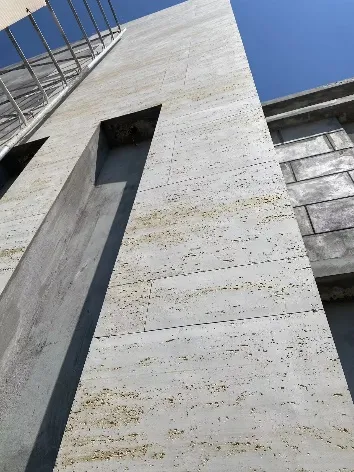
Fire safety in buildings isn't just a regulation; it's a promise to the people inside. For architects, builders, and facility managers, choosing cladding that can withstand fire isn't an option—it's a responsibility. So, what makes MCM panels a leader in this space? Let's start with the science.
MCM panels are designed to be inherently fire-resistant. The mineral core, often composed of materials like calcium carbonate or magnesium oxide, is non-combustible. When exposed to high heat, these minerals don't ignite, melt, or release toxic fumes. Instead, they act as a barrier, slowing the spread of fire and protecting the underlying structure. This is critical because in a fire, the cladding's role is twofold: prevent the fire from spreading externally (to neighboring buildings) and prevent it from penetrating internally (to occupants and structural supports).
To put this in perspective, consider Class A fire ratings—the highest level recognized by building codes worldwide. A Class A rating means the material has a flame spread index of 0-25 and is virtually non-combustible. MCM flexible cladding stone wall panels consistently achieve this rating, often outperforming materials like wood (which is highly combustible), vinyl (melts and drips), or even some traditional stone claddings that, while non-combustible, can crack under heat, allowing fire to seep through gaps.
Compare this to another critical fire-resistant material: the class A fireproof CPL inorganic board for hospital and school supplier solutions. These boards, used in sensitive environments like hospitals and schools, are engineered for extreme fire safety, with zero smoke emission and high heat resistance. MCM panels share this commitment to safety but add the bonus of flexibility and aesthetic versatility—making them suitable for both institutional settings and more design-forward commercial or residential projects.
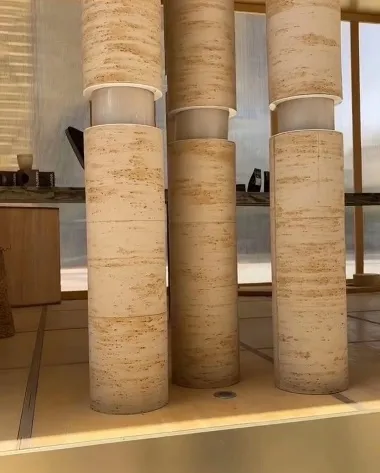
To truly appreciate MCM flexible cladding stone wall panels, it helps to see how they compare to other common cladding materials. Let's break it down:
| Material | Fire Rating | Flexibility | Weight (kg/m²) | Durability | Installation Ease |
|---|---|---|---|---|---|
| MCM Flexible Cladding Stone Wall Panels | Class A (0-25 flame spread) | High (bends to curves, uneven surfaces) | 3-5 | Resistant to UV, moisture, impact | Lightweight, easy to cut and install |
| Traditional Natural Stone (Granite/Marble) | Class A (non-combustible) | Low (rigid, cracks under stress) | 20-30 | High, but heavy (requires structural support) | Heavy, requires specialized labor |
| Vinyl Siding | Class C (flame spread 76-200) | Moderate (limited flexibility) | 1-2 | Prone to fading, cracking in cold | Easy, but not durable long-term |
| Wood Cladding | Class D (highly combustible) | Moderate (can warp over time) | 5-8 | Requires regular maintenance (sealing, painting) | Moderate, but fire risk is significant |
| Class A Fireproof CPL Inorganic Board | Class A (0-25 flame spread) | Low (rigid, flat surfaces only) | 8-10 | High, ideal for hospitals/schools | Moderate, best for flat installations |
The table tells a clear story: MCM panels offer the best of both worlds—top-tier fire safety, unmatched flexibility, and lightweight durability. For a residential building materials supplier or commercial building materials supplier, this versatility is invaluable. Whether you're cladding a modern apartment complex with curved facades or a historic office building needing a sympathetic restoration, MCM panels adapt without compromising safety.
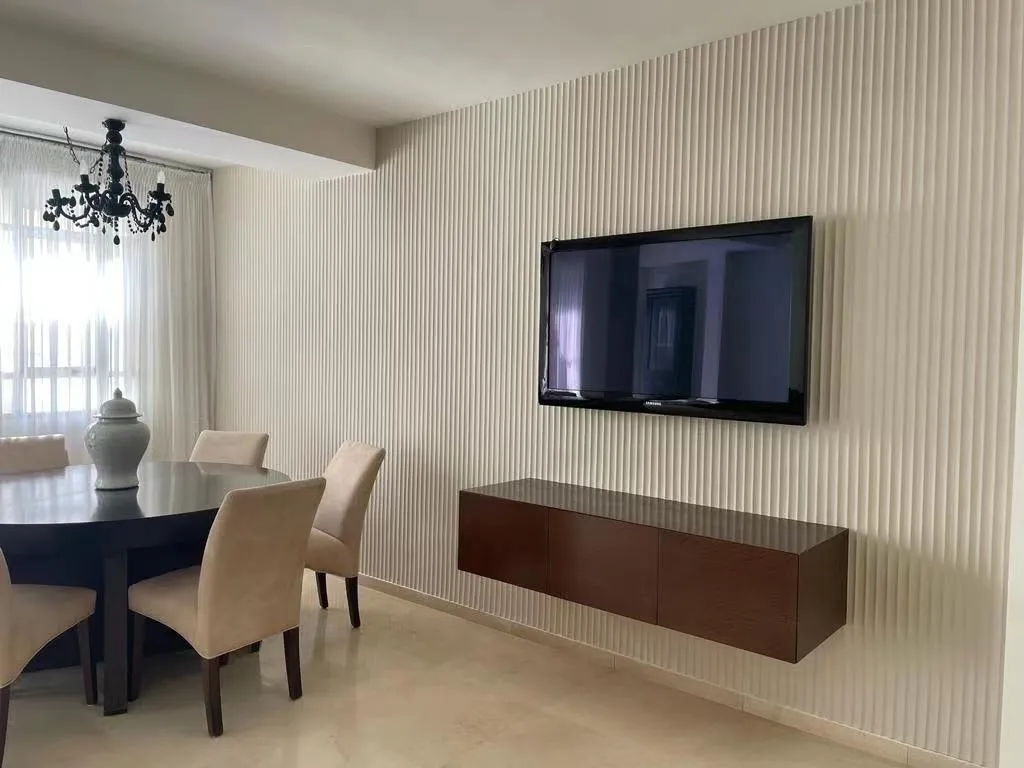
MCM flexible cladding stone wall panel solutions aren't just a one-trick pony. Their unique blend of fire resistance, flexibility, and aesthetics makes them suitable for nearly every building type. Let's explore some key applications:
For homeowners and developers, residential buildings demand materials that feel welcoming, durable, and safe. MCM panels deliver on all three. Imagine a row of townhouses with a stone-like exterior that's actually lightweight MCM cladding—no heavy structural reinforcement needed, no risk of cracks from settling, and the peace of mind that comes with Class A fire protection. In high-rise apartments, where fire spread is a critical concern, MCM panels act as a protective skin, slowing the spread of flames between floors. And because they come in a range of finishes—from rustic stone to sleek marble—they fit any architectural style, from modern minimalist to traditional.
Commercial buildings, from shopping malls to office towers, need to stand out while prioritizing safety for thousands of daily visitors. MCM panels let architects get creative—curved entrances, dynamic facade patterns, or even branded color schemes—all without sacrificing fire resistance. For example, a retail center with a sweeping, curved facade would traditionally require expensive custom stone cutting, but MCM panels bend easily to the design, cutting costs and installation time. And in the event of a small electrical fire in a store, the MCM cladding would contain the flames, preventing them from spreading to adjacent units or the exterior of the building.
Hospitals, schools, and care facilities house some of our most vulnerable populations—children, patients, and the elderly. Here, fire safety is non-negotiable, which is why materials like the class A fireproof CPL inorganic board for hospital and school supplier solutions are standard. MCM panels complement these boards beautifully. In a school auditorium with a curved wall, MCM cladding can add warmth and texture while maintaining Class A fire ratings. In a hospital wing, where infection control is also key, MCM panels' non-porous surface resists mold and bacteria, making them easy to clean and sanitize—an added bonus for healthcare environments.
Restoring historical buildings often means working with irregular surfaces, delicate structures, and strict preservation guidelines. Traditional rigid cladding materials can damage old brickwork or fail to conform to uneven walls. MCM panels, with their flexibility, are a game-changer. They can be cut to match intricate historical details, applied over existing surfaces without adding excessive weight, and provide modern fire protection to buildings that were never designed with today's safety standards in mind. It's a way to honor the past while ensuring the building stands safely for generations to come.

Numbers and specs tell part of the story, but real-world examples show MCM panels in action. Let's look at a few:
When the Al-Riyadh International School embarked on a major renovation, safety was the top priority. With over 1,200 students and staff, the school needed cladding that could withstand fire, resist the harsh Saudi sun, and blend with the existing architecture. The project team chose MCM flexible cladding stone wall panels, paired with class A fireproof CPL inorganic boards for interior walls. The result? A building that passed rigorous fire safety inspections with flying colors, a facade that has retained its vibrant stone-like finish despite years of extreme heat, and parents who report feeling confident sending their children to a school that prioritizes their safety.
The GreenView Tower, a 30-story office building in Dubai, wanted a facade that would stand out in the city's skyline while meeting the emirate's strict fire codes. The design called for a mix of curved and angular surfaces, which would have been challenging with traditional stone. MCM panels solved this problem—their flexibility allowed the architects to bring their vision to life, while their Class A fire rating ensured compliance. During a routine fire safety drill, a controlled burn test on a small section of the facade showed that the MCM cladding prevented flame spread, with the underlying structure remaining intact. Today, the tower is known for both its striking design and its commitment to occupant safety.
In a residential development near Toronto, Canada, developers needed cladding that could handle cold winters, heavy snow, and the occasional ice storm—all while keeping homeowners safe. MCM panels were the clear choice. Their lightweight nature reduced structural load, their moisture resistance prevented mold growth in humid basements, and their Class A fire rating gave families peace of mind. One homeowner, whose neighbor's house suffered a small kitchen fire, noted that the MCM cladding on her home's exterior showed no signs of heat damage, even though the fire came within meters of her property line. "It's not just a wall," she said. "It's a shield."
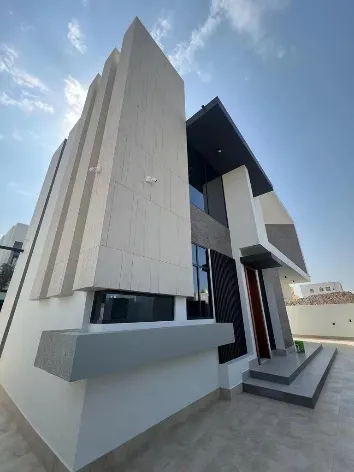
Great materials are only as good as the supplier behind them. When it comes to MCM flexible cladding stone wall panel solutions, choosing a reputable supplier isn't just about getting a product—it's about partnering with a team that understands your project's unique needs. Here's what to look for:
A trustworthy mcm flexible cladding stone wall panel supplier will have rigorous quality control processes and third-party certifications. Look for ISO 9001 (quality management), ISO 14001 (environmental management), and fire safety certifications from bodies like UL or ASTM. These certifications ensure the panels meet global standards for fire resistance, durability, and sustainability.
Every project is different. A good supplier should offer customization—whether it's a specific finish, color, or size to match your design vision. For example, if you're working on a historical renovation that requires a custom stone texture, your supplier should be able to create a panel that replicates that texture exactly, without compromising fire resistance.
As a residential building materials supplier and commercial building materials supplier, the best partners offer more than just cladding. They provide a full range of solutions, from fire-resistant wall panels to flooring, pipes, and fixtures. This "one-stop shop" approach simplifies the procurement process, reduces coordination headaches, and ensures consistency across materials.
Installing MCM panels is easier than traditional stone, but it still requires expertise. A reliable supplier will offer technical support—from helping with material selection to providing installation guides and on-site training for your team. This ensures the panels are installed correctly, maximizing their fire resistance and longevity.
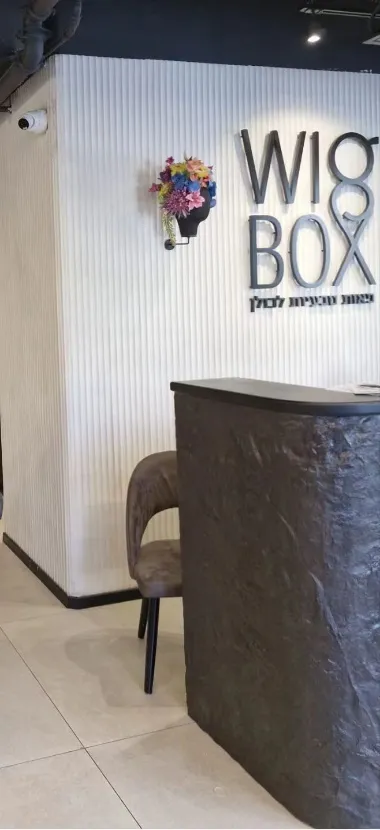
At the end of the day, building materials are about more than bricks and mortar—they're about protecting the people who live, work, learn, and heal inside our buildings. MCM flexible cladding stone wall panel solutions represent a commitment to that protection: Class A fire resistance to keep flames at bay, flexibility to bring designs to life, and durability to stand the test of time.
Whether you're a developer building the next residential community, an architect designing a cutting-edge commercial tower, or a facility manager upgrading a school or hospital, choosing MCM panels isn't just a smart decision—it's a human one. It's about looking at the families in those homes, the students in those classrooms, the patients in those hospitals, and saying, "Your safety matters."
So, when you're ready to take the next step, remember: the right mcm flexible cladding stone wall panel supplier isn't just selling materials. They're selling peace of mind. And in a world where safety can't be compromised, that's priceless.
Recommend Products











