
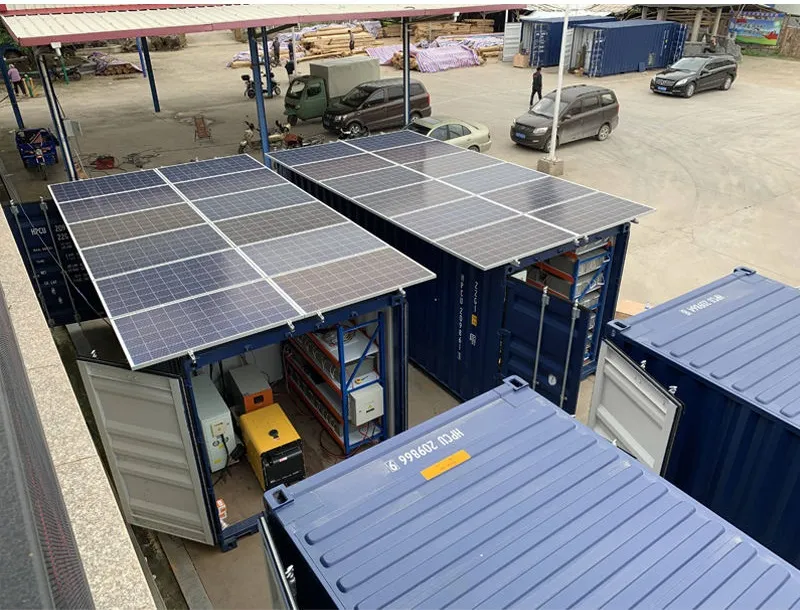
Let's talk fire safety – especially when it comes to solar panels on your roof. With wildfires being a constant threat in places like California where over 578 wildfires have already burned nearly 58,000 acres this year alone, every precaution matters. It's terrifying to imagine flames destroying not just forests but also reaching residential areas. So, as solar energy becomes more popular, we must ask: How do we ensure rooftop installations don't add fuel to the fire?
That’s where fire resistance certification comes in. It’s not just a fancy plaque; it’s your insurance policy against unpredictable blazes. Without it, those panels you installed for energy savings could turn into fire accelerants during an emergency. We’ll explore how this certification works, why it matters, and what you must know before mounting anything on your roof.
Living in wildfire-prone zones like California isn’t just about scenic views – it's high-stakes risk management. Let’s break down why:
You wouldn't build a wooden fence during fire season. Yet homeowners risk making similar oversights with uncertified solar setups. The solution? Building smarter with fire rated components like modern fire wall board technology integrated between roofing layers.
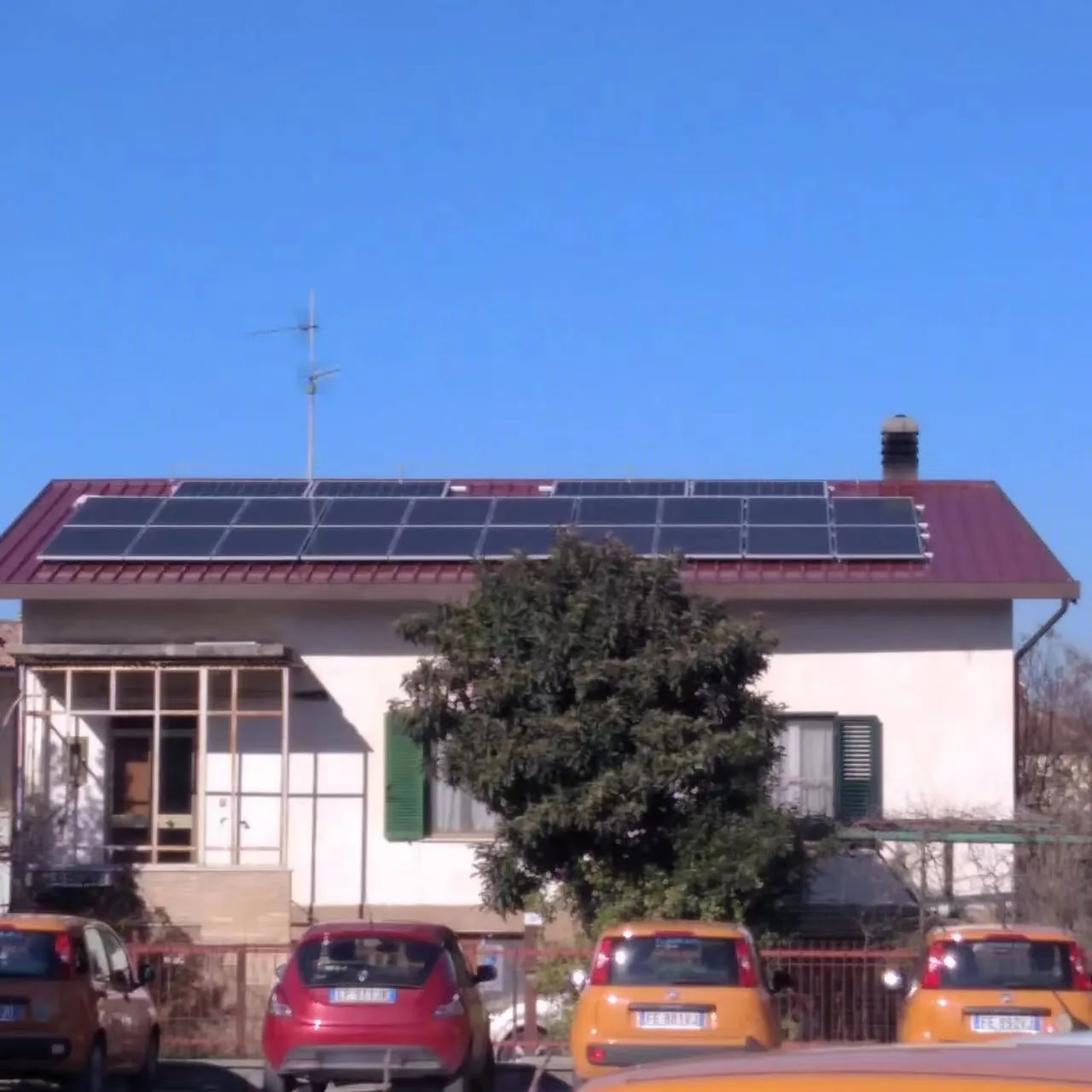
Think of certification like a superhero shield for your roof. Here’s what’s involved:
Panels undergo controlled burns at labs like UL Solutions to measure heat resistance
Certified gaps prevent ember traps - critical in wind-driven fires
Annual checks ensure aging systems still meet standards
Class A (best) to Class C certifications indicate burn-through times
Insurance companies absolutely track these ratings. Homes with Class A certified systems average 18% lower premiums in high-risk ZIP codes.
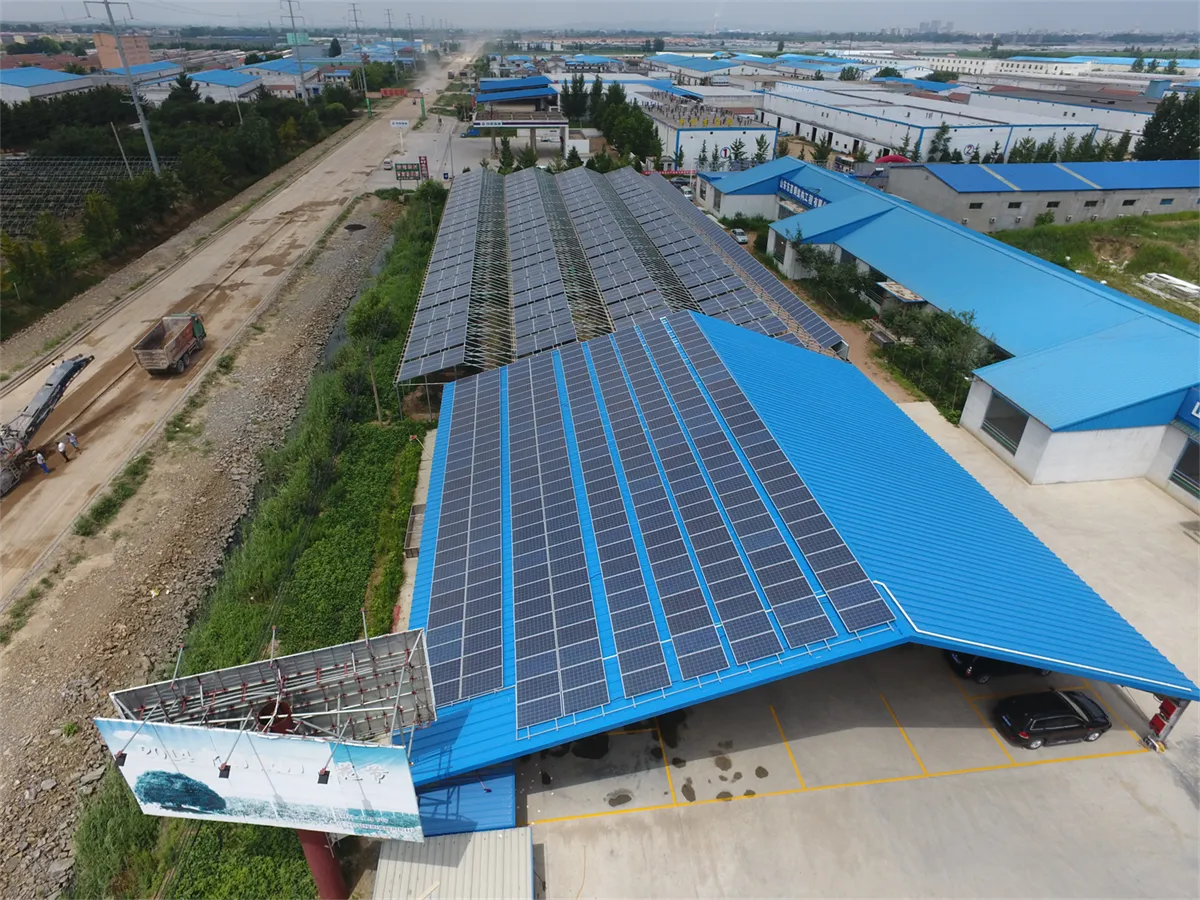
Great equipment means nothing if installed poorly. Fire-safe solar mounting requires:
Mike Tanner, a veteran LA firefighter puts it bluntly: "We've seen uncertified solar arrays act like chimneys during brush fires. The certification isn't paperwork - it means someone actually thought about fire behavior."
During the 2023 Thompson Fire near Redding, two neighboring homes had solar installations. Both appeared identical until flames approached:
| Home | Certification Status | Outcome |
|---|---|---|
| Hill Residence | Full Class A Certification | Minor roof scorching |
| Rivera Home | Uncertified Budget Install | Total loss from roof ignition |
The difference? Certified panels had non-combustible mounting frames and integrated thermal barriers. When fire crews arrived, they prioritized saving the certifed home knowing it had better survivability.
What’s coming makes today’s systems look primitive:
California’s 2025 building codes now mandate many innovations. As wildfire expert Dr. Lena Torres explains: "We're moving from passive protection to active fire prevention built into energy systems."
Don't sign contracts until verifying:
Valid Class A or B certificates matching your roof type
Permits showing fire department approved layouts
Documentation for every component from mounts to wiring
Written confirmation your provider accepts the certification
Demand testing reports - legit companies proudly share them. If they hesitate, walk away.
Wildfires don't negotiate. When choosing solar, ensure your safety net goes beyond kilowatt production. True energy security marries efficiency with resilience.
As Southern California's wildfire potential keeps rising due to prolonged dry conditions according to CAL FIRE, certified solar installations become critical community infrastructure - slowing fire spread block by block.
For homeowners, it’s simple: Certification isn't an upgrade. It's the essential foundation.
Recommend Products












