
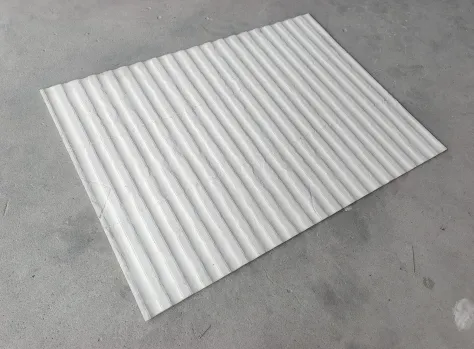
When you're building a home or commercial space, fire safety isn't just a checkbox—it's peace of mind. That warm, fuzzy feeling when you know your castle won't turn to ash? That's what we're talking about. Whether you're eyeing gorgeous Castle Rock stone or sturdy Century Stone products, understanding fire ratings can feel like learning a foreign language. Let's break it down together, minus the technical jargon.
Think of it like a firefighter's stamp of approval. When materials earn that Class A title, they've passed rigorous tests proving they:
"Materials like fiber cement siding or asphalt shingles don't just meet standards—they create breathing room for evacuation crews. That extra minute could save lives," says a Denver fire inspector.

Ever noticed how fast fire travels between houses? That's often due to compromised materials. With products like Castle Rock limestone or Century Stone facades getting Class A certifications, we're seeing:
Roofs that won't go up like tinder during a wildfire. Siding that acts like a shield against flying embers. It's like giving your house an asbestos-free suit of armor.
Weaved throughout the critical building materials for commercial projects is fire resilience. Class A-rated ceilings, walls, and flooring compartmentalize fires in office buildings—a non-negotiable for modern construction.
Insurance companies often give discounts (cha-ching!), plus these materials typically weather storms better. Nobody likes replacing their siding every 5 years.
It's not just some dude with a lighter testing your shingles. Organizations like UL (Underwriters Laboratories) put materials through hell with tests like:
Products like fireproof ceiling tiles or tempered glass windows undergo repeat testing before certification. If your stone cladding claims a Class A rating, demand the documentation—legit suppliers keep it handy.
Both these premium stones bring unique fire-resistance strengths:
Through proprietary sealing techniques, they've achieved 30% less heat absorption than competitors. Their secret? Nano-coatings that create microscopic fire barriers while letting the stone breathe. Ideal for high-traffic areas like hotel lobbies where both aesthetics and safety matter.
Naturally dense and slow-conductive, but it’s their joint design that shines. By minimizing mortar gaps (fire’s favorite pathway), they prevent "chimney effects" in wall systems. Their testing showed zero flame spread even after 90 minutes of direct exposure.
Both manufacturers now provide interactive certification maps on their websites—just scan the stone lot number.
Here's the scoop from permit offices (we saved you the 3-hour wait):
Pro tip: Schedule pre-construction meetings with your local fire marshal. Many offer free material compatibility reviews.
A Class A product installed poorly becomes Class "Uh-oh." Biggest mistakes we see:
"Certification testing assumes perfect installation. Work with crews certified by groups like FSI (Fire Safe Installers)—it's worth the extra $3/sqft," advises a Boulder contractor.
Pair your certified stone with these essentials:
Remember: It's about creating defensible space, not just stone armor.
The next wave? Materials that don't just resist fire, but detect and suppress it:
Major manufacturers like Century Stone already have R&D labs testing these technologies. Imagine limestone that texts you: "Hey, the grill's flare-up just hit 800°F."
Fire ratings aren't about bureaucracies or paperwork—they're about protecting memories. That stone patio where Grandpa teaches kids to fish? Those family dinners around the outdoor fireplace? Choosing products like Castle Rock and Century Stone with genuine Class A ratings? That's how we safeguard what matters. Because rebuilding a structure is possible, but replacing moments? Impossible.
Recommend Products












