
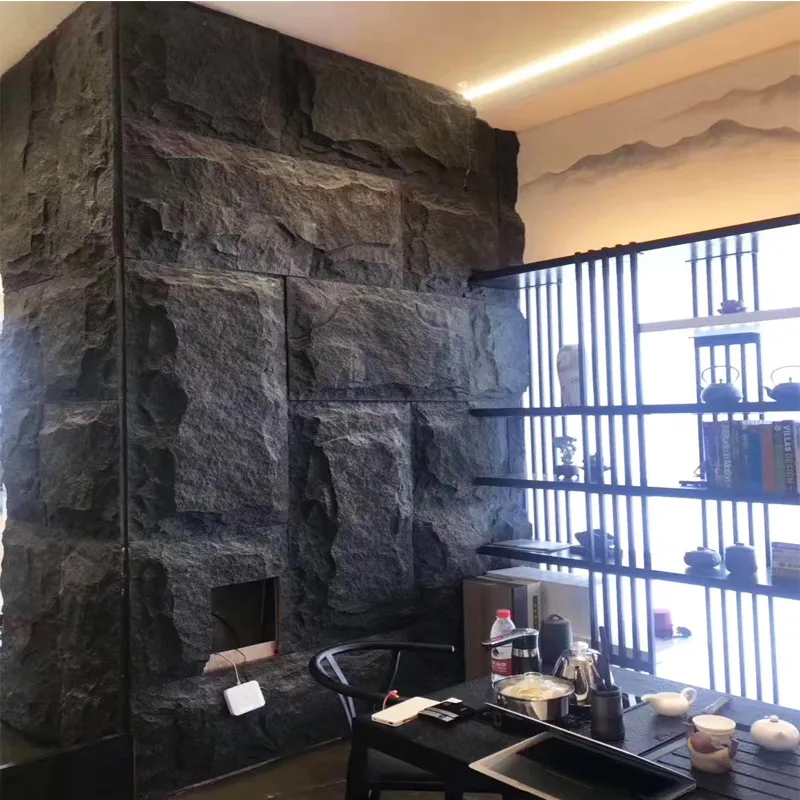
Ever run your fingers over textured stone walls and felt instantly transported to an old European villa? That’s the magic of mushroom stone. Unlike modern manufactured materials, these uniquely shaped stones tell a geological story millions of years in the making. We’re here to guide you through selecting stones that'll make your guests pause and admire.
Picture walking through a forest after rainfall, noticing how tree roots embrace weathered rocks. Mushroom stones capture that exact organic charm. Their signature shape comes from nature’s own sculpting tools - wind and sand working like master artists over millennia. The lower sections erode faster, creating those distinctive "mushroom cap" overhangs.
These stones don't just look pretty - they’re nature’s fortress. On a recent project, homeowners installed granite mushroom stones around their 19th-century cottage fireplace. Decades later, they show zero wear despite constant exposure to heat and smoke. That’s the payoff when you choose materials literally forged by time.
When neighbors replaced their vinyl siding with mushroom stone cladding, they weren’t just upgrading aesthetics. Unlike manufactured building products, these stones emit no VOCs or synthetic fumes. Installation day smelled like fresh earth rather than chemical adhesives - a real bonus for families with allergy sufferers.
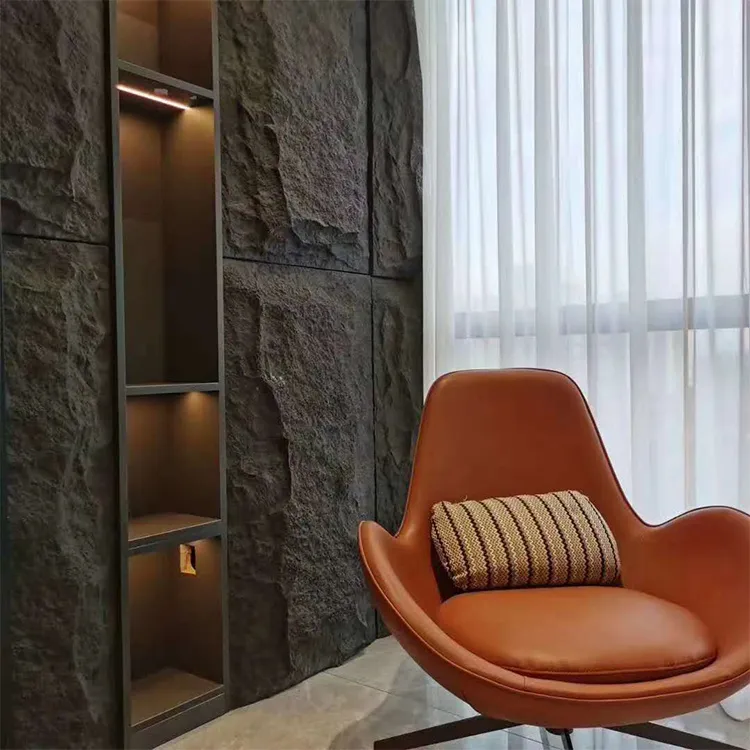
The market’s filled with lookalikes, but genuine quality reveals itself in three key areas:
Run your hand across the stone’s surface. Authentic pieces have subtle variations your fingers can detect - slight depressions, mineral flecks, natural ridges. Uniform texture often means machine-made imitations. That tactile experience matters more than you’d think.
Pro tip: Request a moisture test report. Quality suppliers document absorption rates below 0.5% - crucial for enduring freeze-thaw cycles without cracking.
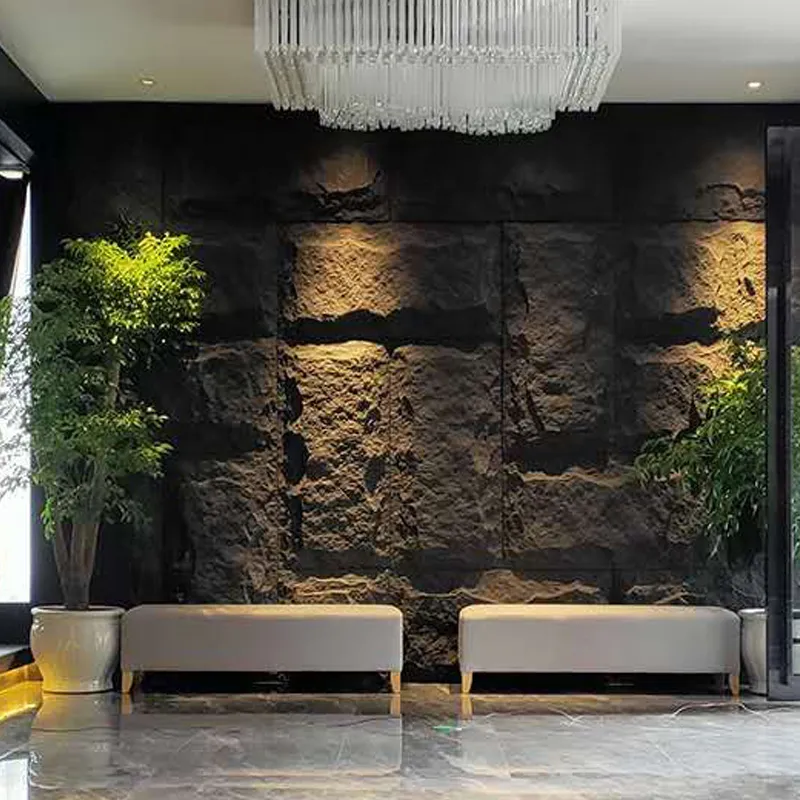
Even premium stone fails with improper installation. We’ve seen projects where skipping one step led to costly rework:
Remember: The true value lies in that feeling when you lean against your stone accent wall after a long day. The cool surface grounding you. The texture reminding you of mountain hikes. The knowledge that you chose a building material supplier with both the aesthetic vision and environmental consciousness that transform houses into sanctuaries.
Explore Material Options
"Will I need to constantly reseal them?"
Properly installed mushroom stone needs sealing just once every 3-5 years. We recommend breathable penetrating sealers rather than glossy film-forming types.
"Can they survive extreme weather?"
Absolutely. Granite mushroom stones in Canadian Rockies installations withstand -40°F winters. The key? Selecting the right stone type for your climate and preparing the substrate correctly.
"What about eco-impact?"
Since stones are quarried locally in most regions and don’t require manufacturing energy, their carbon footprint beats synthetic alternatives by 60-80% according to recent MIT studies.
When clients touch their completed feature wall for the first time, we notice a pattern: they linger. There’s something profoundly human about connecting with ancient materials. That tactile satisfaction transforms sterile spaces into soulful retreats. And isn’t that emotional resonance what truly makes a house feel like home?
Recommend Products












