
Your Ultimate Guide to Illuminated Signage Solutions
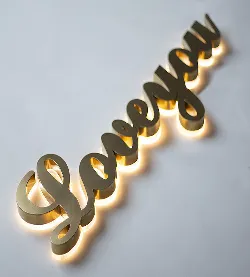
Picture walking through any modern cityscape after dark – what catches your eye immediately? It's those brilliant, glowing letters that make storefronts pop against the night sky. Light letters have revolutionized how businesses present themselves, creating unforgettable first impressions that stick with customers long after they've walked by. But here's the thing: not all light letters are created equal, and finding that perfect balance between stunning quality and wallet-friendly pricing can feel like searching for a needle in a haystack.
The signage industry has exploded with options, from budget plastic solutions to ultra-premium installations. With so many choices flooding the market, how do you avoid overspending on flashy features you don't need while still getting signage that makes people stop and stare? That's where understanding lighting fixtures becomes crucial. The right components can make your sign shine brilliantly for years, while poor choices lead to frequent repairs and replacements that cost more in the long run.
Pro Tip: Always ask suppliers about the actual components they're using – quality LED modules and transformers might cost a bit more upfront, but they'll save you a bundle on maintenance over time. Don't just settle for generic promises of "quality lighting" – get specifics on the tech inside those letters.
When we talk about architectural lighting solutions, we're talking about much more than just slapping some lights on your building. Truly professional installations become integrated elements of your space, enhancing architectural features while broadcasting your brand message. This synergy between structure and illumination is what separates forgettable signs from showstopping landmarks.
Let's break down the core components that make light letters work – because knowing what you're buying is half the battle in getting great value:
| Feature | Basic Option | Premium Option | Our Recommendation |
|---|---|---|---|
| Light Source | Standard LED strips | High-density LED modules | Mid-density LEDs with proper spacing |
| Housing Material | Thin aluminum or plastic | Stainless steel or thick aluminum | 1.5mm aluminum with protective coating |
| Mounting System | Basic standoffs | Adjustable 3D mounts | Reinforced channel system |
| Weatherproofing | Silicone seals | Dual silicone + neoprene seals | IP67 rated components minimum |
| Wiring | Average copper wiring | Marine-grade cabling | UL-certified wiring with surge protection |
For commercial lighting applications, durability is non-negotiable. Those storefront signs face constant assault from sun, rain, wind, and even accidental bumps from ladders or cleaning equipment. I've seen too many businesses save pennies on flimsy back panels only to spend dollars later when moisture sneaks in and fries their LEDs after the first storm. That's why working with reputable china lighting manufacturers can make such a difference – the best ones offer production quality that rivals European brands at half the cost.
Where many folks get tripped up is in thinking all led lights are essentially the same. The truth? Quality varies wildly. Premium LEDs maintain consistent color temperature (that's that crisp white glow) for over 50,000 hours without fading to blue or yellow, while bargain-bin versions start shifting color after just a year. For commercial applications, that consistency is everything – imagine your brand's signature blue looking turquoise on every photo your customers take!
Ever wonder how top-tier sign companies consistently deliver superior products? Having partnered with multiple china lighting manufacturer facilities across Guangdong and Zhejiang provinces, I've seen firsthand what separates the exceptional producers from the mediocre ones:
Precision Engineering: The best factories use CNC routers and lasers for letter fabrication instead of manual cutting, ensuring absolute consistency from the first letter to the last. That tiny 1% variation? It disappears completely, giving you perfectly uniform illumination across your entire sign.
Testing Protocols: Reputable manufacturers don't just build letters – they torture-test them. I'm talking salt spray chambers simulating years of coastal weather, intense UV exposure testing, and vibration tests mimicking transportation stress. When they stamp that IP67 rating on the spec sheet, you know it means something.
Component Sourcing: Smart manufacturers maintain relationships with LED chip foundries rather than buying whatever's cheap that week. This means consistent performance across batches – critical when you need to replace a damaged letter five years down the line.
Architectural lighting solutions demand this level of precision because they're not just signs – they're integral parts of a building's design language. A well-executed sign complements the structure's lines, enhances material textures, and becomes an art installation after dark. When factory engineers understand this holistic vision, they build differently.
One game-changing innovation from Asia's leading factories? Modular wiring systems that let you replace a single failed LED module without dismantling the entire sign. That's the kind of forward thinking that saves building owners thousands in maintenance costs over a decade.
Getting premium results at sensible prices doesn't mean hunting for discounts – it's about strategic decision-making:
Material Mixing: Instead of all-brushed aluminum, consider combining metal returns with acrylic fronts. The metal gives structural integrity where it matters while the acrylic provides brilliant diffusion at lower cost. Smart combos like this can trim 20-30% off your project without visible quality differences.
Scale Economies: Ordering extra channel letters? Ask about volume pricing tiers. Many manufacturers offer significant discounts at just 10 letters and above since setup costs get spread across more units.
Pre-Configured Kits: For simple installations, pre-wired kits with standardized sizing offer surprising savings. Leading suppliers now offer architectural letters in 12", 18", and 24" heights with compatible hardware, slashing custom fabrication fees.
Design Insight: Simpler fonts with gentle curves cost significantly less to produce than complex scripts with tight corners. Choosing wisely could reduce fabrication time by hours per letter without compromising impact – a hidden savings that rarely shows in quotes but adds up fast.
Lighting Density Strategy: Rather than uniformly packing maximum LEDs everywhere, work with suppliers who strategically concentrate lighting where needed – inside counter-curves, at sharp angles. This smart placement maintains stunning brightness while reducing component counts.
When planning commercial lighting projects, always consider total cost of ownership rather than just the initial price tag. Better transformers might add $100 to your quote, but preventing four service calls over five years easily saves double that. Top suppliers will provide energy consumption estimates so you can calculate those power savings too!
The magic doesn't happen at the factory – it happens during installation. After advising on thousands of sign projects, I can confirm these make-or-break factors:
Placement Psychology: Letters installed precisely at eye-level attract the most engagement. For retail applications, that's generally 5-6 feet from street level. Any higher becomes architectural accent lighting rather than brand messaging.
Contrast Engineering: Mounting depth creates drama. The 3-4" sweet spot projects crisp shadows while staying structurally secure. Too flush appears flat, while excessive projection risks damage from wind loads.
Environmental Integration: Truly professional architectural lighting solutions respond to surroundings. Near busy roads? Extra-bright LEDs overcome headlight washout. In historic districts? Dimmer switches with preset scenes meet lighting regulations while preserving atmosphere.
Modern commercial lighting techniques have moved beyond simple illumination. The best installations now incorporate:
Through experience with dozens of China lighting manufacturer partners, I've seen innovations that would shock Western sign companies – like field-replaceable driver compartments accessed via magnetic faceplates. This accessibility nearly eliminates crane rental costs for high installations when maintenance is needed.
As we look ahead, several trends are shaping what premium lighting fixtures will deliver:
Smart Integration: Next-generation letters include IoT sensors reporting energy use, predicting failures, and integrating with building management systems. The best china lighting manufacturer labs already test units that self-diagnose color drift and alert facilities teams automatically.
Sustainability Advances: Solar-ready systems are emerging where panels discretely power letters independently. Though niche today, these off-grid solutions solve historical district wiring challenges while appealing to eco-conscious brands.
Thinner Profiles: New optical films distribute light evenly across slimmer housings, allowing lightweight applications on glass curtain walls previously impossible. This innovation opens architectural lighting solutions to high-rise corporate signage.
For commercial lighting professionals, these developments are game-changers. We're moving beyond static signs to communicative systems that adapt to environments while providing measurable ROI through maintenance alerts and usage data. Early adopters gain competitive advantages that justify premium pricing through demonstrable savings.
In the realm of led lights, expect warmer CCT options (2700K-3000K) to gain prominence even in commercial spaces as lighting psychology research confirms their superior ability to create welcoming environments. The harsh 5000K bright-white era is sunsetting as we understand lighting's role beyond mere visibility.
Choosing light letters shouldn't feel like gambling. With these professional insights, you're equipped to evaluate suppliers intelligently:
The Spec Test: Request complete specifications including CRI (color rendering index), LM80 reports for LED longevity, and UL certification numbers. Reputable manufacturers publish these proudly; vague responders likely use commodity components.
Real-World Evidence: Ask for installation photos from projects at least three years old. This reveals how finishes weather and whether colors remain consistent over time.
Sample Strategy: Order a single letter before committing to large projects. A couple hundred dollars reveals more about quality than any brochure claims. Examine gaskets for compression memory, wiring for gauge markings, and returns for consistent welds.
Warranty Wisdom: Five-year coverage should be standard for quality LED components. Beware "lifetime" promises without written details – genuine warranties clearly state what's covered (LEDs, drivers, transformers) with labor inclusions.
Remember: exceptional architectural lighting solutions serve both functional and artistic purposes. They guide customers while expressing brand personality through illumination quality, mounting style, and light character. Your signage should work as hard as your team does in representing your business.
Whether sourcing directly from specialized china lighting manufacturer partners or through domestic sign companies, prioritize transparency about component origins. Request factory certifications like ISO 9001 and ask about quality control processes. Suppliers confident in their production welcome these questions.
Final Thought: Premium light letters offer the rarest combination in business investments – they pay for themselves through increased visibility while appreciating as brand assets. Viewed through this lens, getting the quality-price balance right isn't an expense but a growth accelerator.
Recommend Products












