
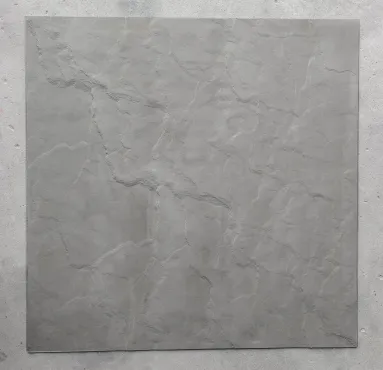
Hey there stone lovers! If you're on the hunt for that perfect blend of natural beauty and timeless durability, you've probably stumbled upon epoch stone in your search. Let's chat about why these geological marvels have become the darlings of architects, interior designers, and homeowners alike – and more importantly, how to find the good stuff without breaking the bank.
Epoch stone isn't just another pretty rock. Formed during specific geological eras, each type carries unique mineral signatures and color palettes that tell an ancient earth story. Unlike manufactured alternatives, these stones develop their character over millions of years – that's why designers are falling head over heels for their authentic, one-of-a-kind appeal in both residential and commercial building materials.
Picture this: You walk into a hotel lobby where the feature wall shimmers with subtle gold flecks in sandstone formed during the Jurassic period. Or maybe you're running your hand along a Mesozoic-era limestone countertop that feels cool and eternal beneath your fingers. That's the magic we're talking about.
The obsession makes total sense when you consider:
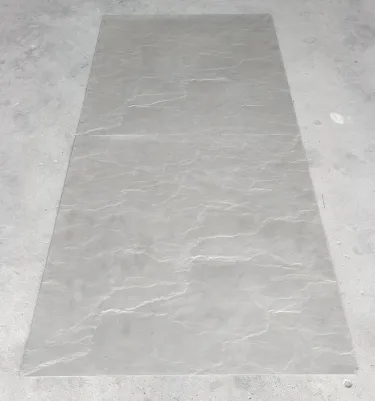
Listen, I've seen too many folks get dazzled by a pretty slab only to discover they've overpaid for low-grade material. Don't be that person! Here's what really matters when hunting for quality epoch stone:
| Feature | Budget Pick | Mid-Range | Premium Quality |
|---|---|---|---|
| Mineral Consistency | Patchy color distribution | Moderate patterning | Rich, even mineralization |
| Surface Integrity | Visible fissures/pitting | Minor natural flaws | Glass-smooth finish |
| Geological Verification | Generic "natural stone" claim | General era identification | Certified epoch documentation |
Run your thumb firmly across the stone surface. Quality epoch stone won't leave dusty residue on your skin – that's the mark of weaker sedimentary composition. Premium stones used in architectural façade solutions maintain their integrity even under pressure.
This isn't just for fancy lobbies! I've seen homeowners create jaw-dropping effects with strategic epoch stone use:
Sarah from Denver used Cambrian-era shale as drawer fronts in her kitchen – the rust-colored layers look like miniature desert canyons when sunlight hits them. Mike and Juan framed their bathroom mirror with polished Devonian limestone tiles that glow like moonlight. Even small touches make huge impacts!
Designers are loving these applications:
Okay, let's talk numbers. Authentic epoch stone ranges from $85 to $400 per square foot. Before you panic – remember three golden rules:
First : You're buying geologic time – a rare Cambrian slab deserves premium pricing while common Cretaceous stone should be mid-range. Second : Processing costs matter – water-jet cutting preserves mineral integrity but adds expense. Third : That one-of-a-kind showstopper piece? Worth every penny as a focal point.
Seasonal buying tip: Quarries often discount "overstock" slabs in late winter when construction slows. Got flexibility? That's your sweet spot!
When investing in these exceptional stones for wall cladding systems, remember you're not just buying a building material – you're acquiring a fragment of earth's history. Unlike temporary trends, epoch stone installations become heritage features that grow more treasured with time.
Every stone type has quirks! Ordovician limestone drinks oils like wine, so seal it religiously in kitchens. That gorgeous Permian sandstone? It'll weather dramatically outdoors (which many love!). Here's your cheat sheet:
Ask suppliers for maintenance protocols specific to your stone's geological composition. Reputable ones provide care kits!
As demand soars, responsible sourcing matters more than ever. When I last visited Colorado quarries, the best operators showed:
The "Origin Story" isn't just marketing fluff – it's assurance that your geologic treasure came to you responsibly.
Hire specialists who geek out about historic geology! I recently saw a Neogene-period marble ruined by improper adhesive that reacted with its unique mineral content. The right installer knows that this stone needs specific setting materials and expansion joints.
Last week, a client teared up showing me her Ordovician hearthstone – "This existed before continents separated," she marveled. That connection to deep time? That's what separates epoch stone from other materials. Whether it's grounding your morning coffee ritual or anchoring a corporate space, this is design with genuine soul.
As demand grows for interior and exterior decoration materials with backstory, epoch stones deliver meaning beyond aesthetics. Each mineral pattern represents centuries of pressure and transformation – quite literally the original slow design.
For those creating spaces meant to endure, few materials rival epoch stone's blend of physical and emotional permanence. Architects increasingly specify it not just as a surface, but as experiential design connecting occupants to earth's narrative – perhaps the ultimate in biophilic design strategies.
Here's where to find fair pricing without compromising quality:
Always request sample slabs before big purchases. Pay attention to how light interacts with the minerals at different times of day!
Final thought: This isn't a race to the lowest price. You're curating earth's art. When you find that perfect Devonian limestone or mesmerizing Cambrian schist that makes your heart skip? That's when you'll understand these stones aren't just purchased – they're welcomed home.
Recommend Products












