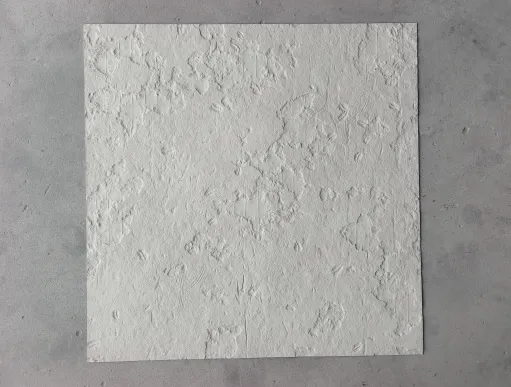
If you've ever dreamed of having a tropical paradise right in your backyard, Bali stone can turn that vision into a tangible reality. Picture stepping onto your patio on a warm summer morning, the sunlight kissing naturally textured stones under your bare feet. That raw, earthy feel that instantly connects you to nature? That's Bali stone doing its magic.
Bali stone isn't just another building material. It carries a piece of island soul with it – a blend of volcanic minerals, traditional craftsmanship, and centuries of geological artistry. Whether you're decorating a pool deck or adding accents to your garden walls, every piece whispers stories of Bali's rich volcanic landscapes.
What Makes Bali Stone So Special?
Have you ever wondered why architects and designers keep raving about Bali stone? It's not just about looks – though trust me, the visual appeal is breathtaking. This natural stone combines three powerful qualities: durability, sustainability, and sheer beauty that evolves with time.
I remember chatting with a homeowner in California who used Bali stone to rebuild her pool area after a storm damaged it. Her voice lit up as she described how the stone gradually developed a soft golden patina over the years. "It feels alive," she told me. "Like it's growing with our family." That's the kind of emotional connection you rarely get with generic tiles.
The Sustainable Choice for Conscious Design
Let's talk about Mother Earth for a moment. Bali stone quarries follow time-honored techniques that minimize environmental disruption. Workers hand-extract stones with care, preserving surrounding ecosystems and reducing waste. Compare this to mass-produced tiles where factories consume huge energy and pump out industrial emissions.
Factory Tiles
-
High carbon footprint
-
Uniform but sterile appearance
-
Prone to weather damage
Bali Stone
-
Low-impact quarrying
-
Naturally anti-slip textures
-
Age beautifully like wine
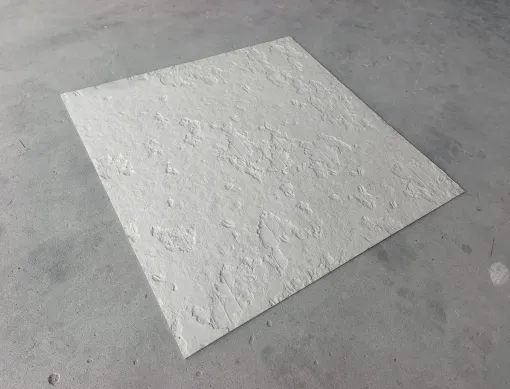
Decoding the Different Bali Stone Varieties
If you're feeling overwhelmed by terms like "Candi Stone" or "Paras Cream," take a breath. Choosing Bali stone is like selecting spices for a recipe – each variety brings unique flavors to your project. Let me break down the most popular types.
Candi Stone:
Volcanic gray textures for dramatic landscapes
Sukabumi Green:
Light-absorbing jade hues perfect for pool tiles
Paras Kerobokan:
Creamy limestone for rustic villa facades
Palimanan Stone:
Golden amber glow ideal for garden paths
Pro tip: Don't get hung up on names. Hold samples outdoors where they'll actually be used. Watch how sunlight dances on their surfaces during different times of day. That's how you find your soulmate stone.
Unbeatable Value Without Cutting Corners
Finding premium Bali stone at honest prices doesn't require magic tricks. It's all about understanding the supply chain. I'll give you inside knowledge I've gathered from visiting quarries personally. The price difference comes down to three things:
Think about Marco, a contractor I met in Indonesia. He showed me how middlemen often inflate prices by 200-300%. When he started sourcing directly from quarries instead of using traditional dealers, he saved his clients money without compromising quality. "It's criminal," he said passionately, "how some companies exploit tourists who don't know better."
-
Bali Luxury Stones
often refer to specially selected stones with unique patterns, offering a premium feel that can transform an ordinary garden into an exotic resort-style paradise.
-
Quarry freshness:
Stones shipped shortly after quarrying retain structural integrity
-
Grade variations:
A-grade for prominent spots, B-grade for secondary areas
-
Cutting precision:
Irregular edges increase installation costs
Bringing Bali to Your Backyard: Practical Tips
Your Bali stone journey shouldn't end at purchase. Proper installation and care determine whether your stones become heirlooms or headaches. As someone who's watched countless projects unfold, here's my battle-tested advice:
Installation Do's
-
Use flexible adhesives for temperature shifts
-
Seal stone before grouting
-
Allow expansion gaps in hot climates
Maintenance Don'ts
-
Avoid acidic cleaners that eat sealant
-
No high-pressure washing on new stone
-
Don't ignore efflorescence – treat immediately
One of my favorite transformations was a Miami rooftop that went from blah to breathtaking with Sukabumi stones. The homeowner texted me photos every season for two years. With proper care, the stones developed richer character over time. "Guests assume I redid the terrace annually," she laughed. "But it's the same stones – they're just getting better!"
The Heart of the Matter: Why Bali Stone Wins
In the end, choosing Bali stone goes beyond practical considerations. It connects you to something ancient and enduring. That coffee-stained patio where you have morning conversations? It develops character over decades. That pool ledge where kids play? It stays cool under scorching sun.
You're not just installing stones – you're weaving nature into your daily life. You're creating environments where memories get baked into volcanic minerals and sea-salvaged textures. When you run your hand over naturally weathered Bali stone, you touch geological history.
Finding quality Bali stone at fair prices isn't complicated when you bypass the noise. Go straight to ethical quarries. Demand transparency about sourcing and grading. Understand that premium material lasts generations – and that's the smartest investment in your sanctuary.
Create Your Bali Paradise