
How Innovative Contracts Unlock Clean Energy Opportunities
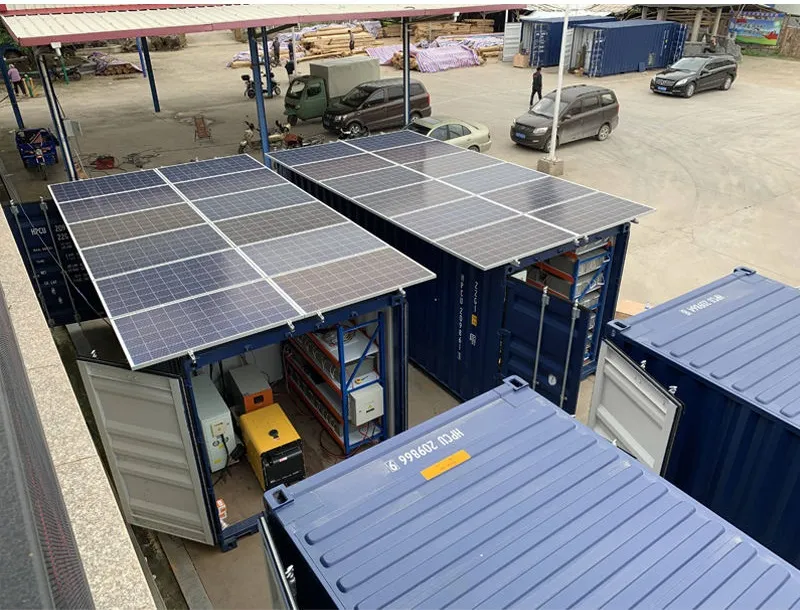
Imagine walking into a business that proudly runs entirely on solar power. You notice zero upfront costs on their part – instead, a seamless partnership fuels those gleaming panels on their roof. This isn't magic; it's the Energy Service Company (ESCO) model revolutionising renewable energy in South Africa. While rooftop solar technology improves every year, the real game-changer isn't just about panels and inverters – it's about how we pay for them. ESCOs step in precisely here, turning financing roadblocks into pathways.
South Africa's pressing electricity crises make distributed solar power systems increasingly essential. But the harsh reality? Many businesses can't justify massive upfront investments when facing unreliable grids and economic uncertainty. That's where ESCOs flip the script: they're energy partners first, financiers second. And the results? Businesses conserve cash while slashing electricity bills – sometimes by 40% or more. Communities gain resilience against load-shedding. All while accelerating South Africa's transition toward cleaner energy independence.
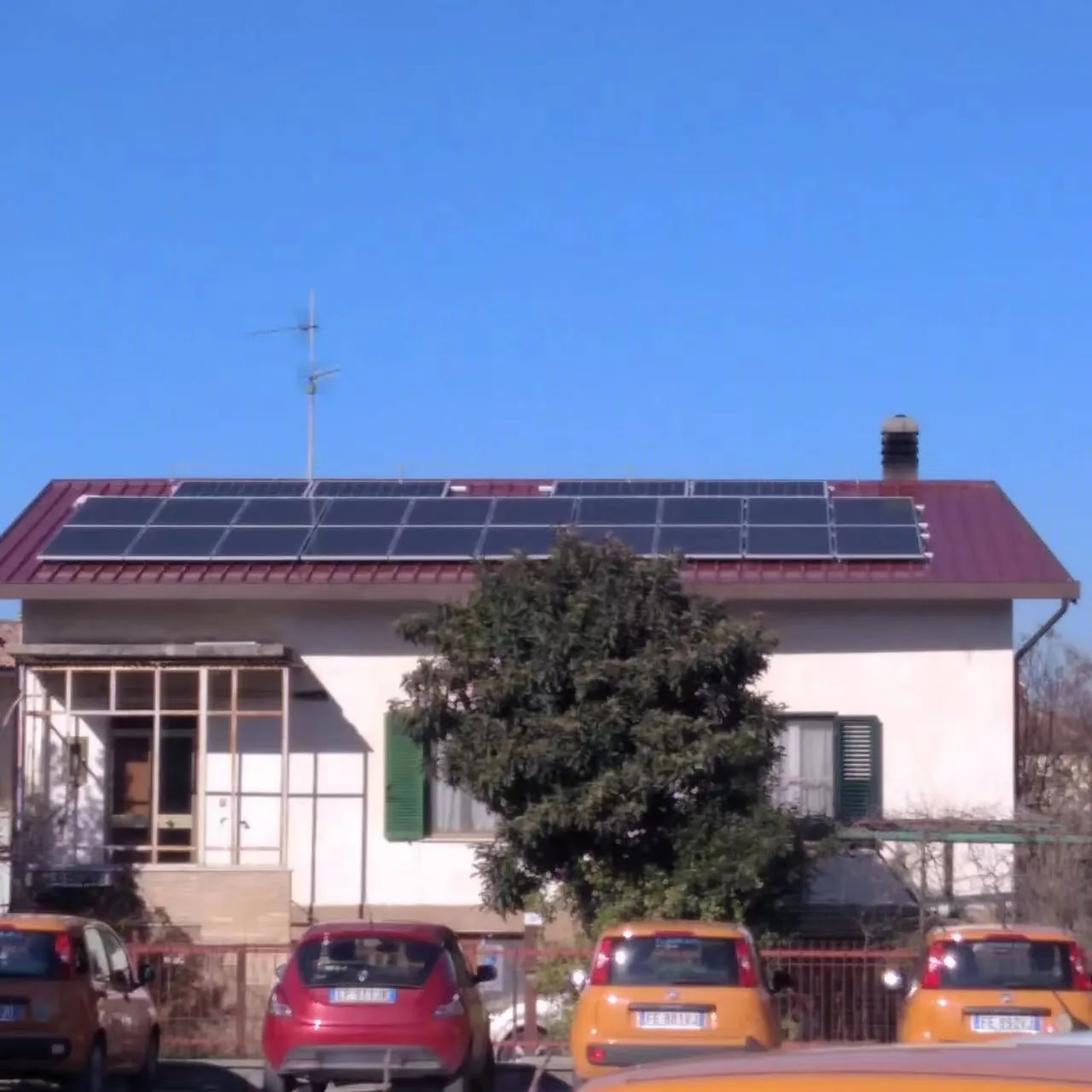
At its core, an ESCO doesn't just sell solar panels – they sell guaranteed performance. Unlike traditional vendors, ESCOs build relationships anchored in contracts that share risks and rewards intelligently. Let's unpack the mechanics:
Here, the ESCO provides a rock-solid energy savings guarantee. Picture it like this: Your business pays nothing upfront. The ESCO designs, installs, and finances the solar system. Each month, your electricity savings cover the repayment. And if savings fall short? The ESCO covers the gap. Simple and transparent.
This model dominates mature markets like Europe because it transfers technical risk away from the customer. South African businesses are increasingly embracing this safety net, especially manufacturers needing predictable cashflow.
This partnership-style approach offers flexibility for cash-strapped enterprises. The ESCO fully funds installation while you both split monthly energy savings. Higher risk for the provider? Potentially. But it creates alignment: Your success becomes their success.
Emerging markets like Chile prefer shared savings because it opens solar to businesses with weak credit profiles. For South African SMEs struggling to access capital, this model provides breathing room without draining reserves.
Both models carry the same fundamental promise: Your energy savings consistently outweigh repayment costs. It’s a win-win where ESCOs profit only when clients profit too.
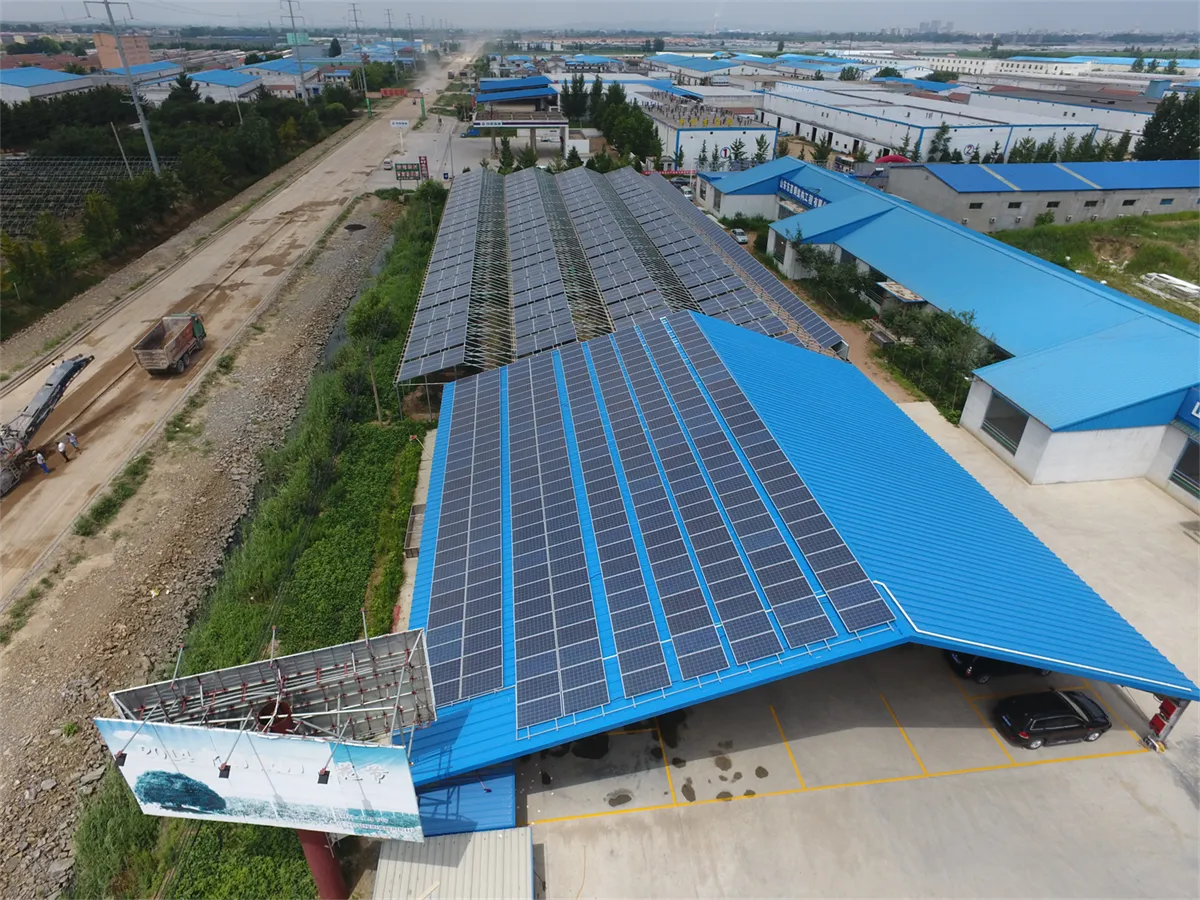
While guaranteed and shared savings form the core framework, smart ESCOs layer additional financing structures to optimise value:
A Johannesburg manufacturing plant recently leveraged blended finance through an ESCO-partnered deal. Their upfront cost? Zero. Monthly power bills dropped 35% while creating 12 local green jobs. As one plant manager noted: "We worried about hidden costs, but transparent contracting made our solar transition surprisingly painless."
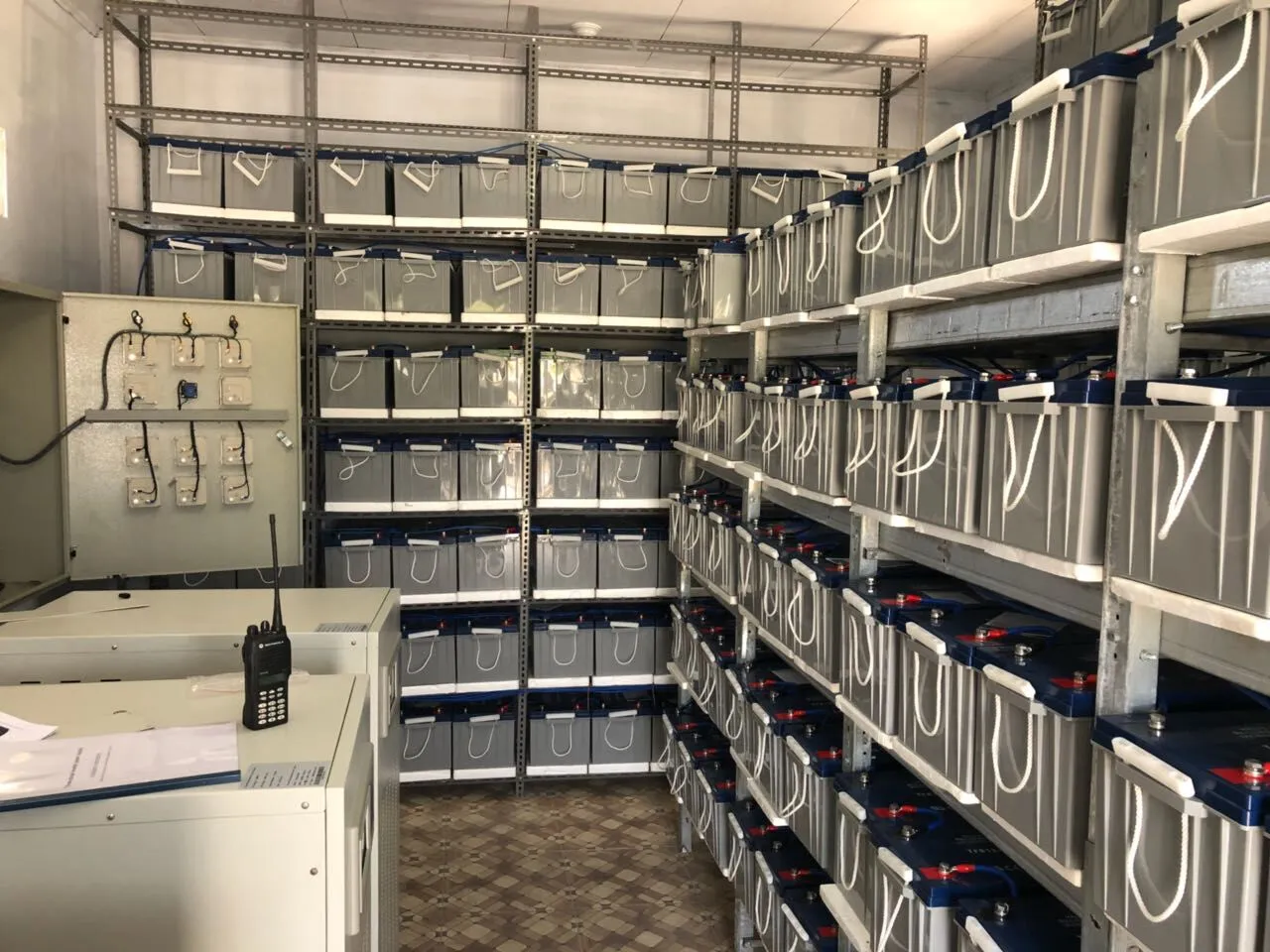
South Africa faces unique energy challenges that make ESCOs particularly compelling:
Eskom's instability makes businesses desperate for alternatives. ESCOs provide speed – projects move faster than government programs.
With borrowing costly and slow, ESCO financing sidesteps traditional bank bottlenecks entirely.
Tax incentives (like Section 12B allowances) combined with feed-in tariffs mean projects break even sooner.
The numbers tell a powerful story: South Africa added over 550MW of rooftop solar in 2023 alone, with ESCO-backed projects representing nearly 40% of commercial installations. As Capetown-based ESCO manager Nomvula Khumalo explains: "Clients care about outcomes, not hardware. We ease their journey to energy resilience by handling complexities – from tariff approvals to grid integration – that overwhelm internal teams."
Financing structures feel abstract until you meet people living their benefits. Take the story of Port Elizabeth's Seagull Fish Market:
"We’re a family business – every rand counts. When ESCOs proposed solar, we feared hidden costs. But their shared savings contract meant we only paid from actual electricity savings . Now we save thousands monthly while exporting extra power to neighbours. Our accountant calls it the ultimate 'pay-as-you-save' model." – Michael Davids, Market Owner
Or consider rural clinics using Super ESCO frameworks: Maintenance costs once consumed 30% of their budgets. Now, energy-efficient solar units slash operating expenses while ensuring ventilators and vaccine fridges never fail during blackouts. As a Limpopo nurse shared: "We measure success in lives protected, not kilowatts produced."
Not all contracts deliver equally. Savvy stakeholders watch for these critical details:
| Pitfall | Smart Solution |
|---|---|
| Undefined performance guarantees | Demand transparent minimum savings thresholds in contract clauses |
| Lack of maintenance provisions | Ensure O&M costs stay embedded within payment structures |
| Inflexible scaling options | Build provisions for future capacity expansions upfront |
| Currency fluctuation risks | Partner with ESCOs using Rand-based financing models |
Pro tip: Contracts should designate independent Measurement & Verification (M&V) partners. This keeps all parties honest about actual energy savings.
The future of South African solar financing points toward exciting trends:
Already, Cape Town’s Business Energy Resilience project demonstrates what’s possible: By coordinating ESCOs across commercial zones, they accelerated deployment while cutting individual financing costs by 22%. The lesson? Strategic frameworks matter as much as innovative hardware.
Ultimately, ESCO models succeed when businesses reframe energy projects from capital expense to operational efficiency. Solar panels need installation crews and wires – but financing gives them purpose and longevity.
Ready to explore how ESCO partnerships could transform your energy profile?
Begin with these practical actions:
The journey starts with acknowledging this truth: Financing structures aren't boring contractual obligations. They’re creativity enablers – transforming barriers into bridges for South Africa’s energy renewal.
Recommend Products












