


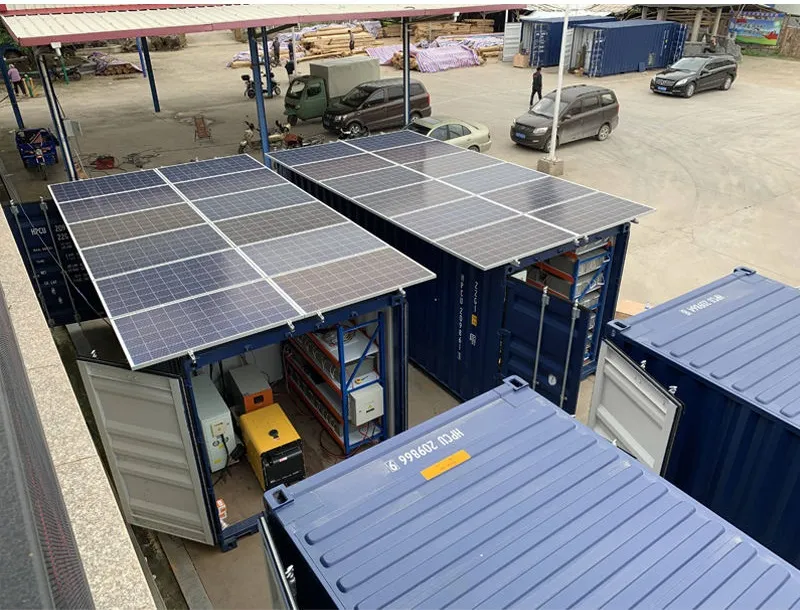
Picture this: you're monitoring your solar farm on a sunny day when suddenly, voltage readings from Panel Cluster 7B take a nosedive. Your dashboard lights up with warnings, and you start wondering – what's gone wrong ? This isn't just a hiccup; it's a sign something's seriously off in your power generation setup. And trust me, ignoring it could cost thousands in lost productivity.
Solar panels are the workhorses of green energy, but when voltage drops strike out of nowhere, they throw everything off balance. It's like having a flat tire in the middle of the highway – inconvenient, dangerous, and downright frustrating. But how do we diagnose these mysterious failures? What tools cut through the noise?
Today, we're peeling back the layers on voltage plunge mysteries in PV systems. We’ll blend cutting-edge research with boots-on-the-ground troubleshooting tactics to create your ultimate diagnostic playbook. Because pinpointing faults isn't just about saving kilowatts – it’s about keeping your whole operation humming along smoothly.
Why Sudden Voltage Drops Should Ring Alarm Bells
Voltage drops don’t just happen – they’re symptoms shouting for attention. Let’s break down the usual suspects:
- Micro-cracks gone rogue : Tiny fractures in silicon cells from hail or mishandling snowball into shunts that bleed voltage away like slow leaks.
- Dirty contacts playing hide-and-seek : Corrosion in MC4 connectors? That’s like a traffic jam blocking power flow from your panels to the inverters.
- PID – the silent killer (Potential Induced Degradation): This sneaky villain creeps in at night, siphoning off 20% output before you even notice.
- Hot-spot meltdowns : When cells overheat, they can tank a whole string's performance – like one bad apple spoiling the bunch.
Notice something? Whether it's hardware acting up or environmental factors wearing panels down, these triggers stack up against peak efficiency . But diagnosis isn’t just guesswork – it's a systematic chase with some serious tech muscle.
Your Step-By-Step Fault Hunt Toolkit
Diagnosing solar panel hiccups isn’t magic – it’s methodical detective work. Here's the field-tested flow smart techs swear by:
Isolate the Trouble Zone
Scan your SCADA/IoT dash for anomalies. Look for the "voltage cliff" in MPPT tracking data – strings behaving like lazy rivers instead of roaring rapids need immediate inspection.
Infrared Thermography Sweeps
Whip out that thermal camera during peak sun. Hot-spots glow on screen like beacons – bright yellows and reds finger failing cells. Bonus? Scan for cold patches signaling bad solder joints.
IV Curve Tracer Truth Serum
Hook up this portable wonder to dodgy panels. Messy curves showing "shoulders" or dips? Classic signs of shading or cracks. Clean, smooth curves? Pass for now.
Electroluminescence Autopsy
For microscopic CSI: dark labs + EL imaging catch cracks invisible to naked eyes. See branching veins? That’s panel arthritis setting in.
Dust Detection with AI
Deep learning algorithms crunch historical data and weather feeds. See dust accumulation alerts before output tanks – proactive cleanup scheduling saves headaches.
"But isn’t this overkill?" you ask. Picture replacing 10 panels now vs. letting 50 fail later. This toolkit finds flaws early.
Game-Changing Tech That Makes Diagnostics Painless
Forget climbing ladders with multimeters – the next-gen diagnostic squad rolls deep with automation:
Drone Armadas
LiDAR-equipped quadcopters scan entire farms in 30 mins – 5x faster than boots-on-roof. Spot hot cells from 100ft with thermal accuracy rivaling ground scans.
AI Fault Predictors
Neural networks digest temperature strings, irradiance data, voltage patterns – warning you weeks before panels actually fail. Cloud-connected wisdom learns with every diagnosis.
Edge Computing Nodes
Mini supercomputers on junction boxes process diagnostics locally. Instant reports when deviations hit thresholds – no waiting for cloud roundtrips.
These aren't sci-fi fantasies; farms from Arizona to Australia already run them. Efficiency savings? Try 30% lower O&M costs and months shaved off payback periods.
Turning Diagnostics Into Dollars Saved
Diagnosing faults is step one – recovery is where rubber meets road:
Micro-crack Invasion
Spot EL-confirmed cracks? Panel-level optimizers reroute currents around dead cells. Avoid replacing entire panels – savings: up to $200 per module.
Corrosion Culprits
Thermal scans flag cold connectors? Clean contacts with electronic-grade solvent and dielectric grease. Add weatherproof caps? Solved for <$50.
PID Nightmares
Nighttime voltage plunges? Reverse polarization boxes trick PID's electric thieves into retreating. Regain lost volts without swapping panels.
"But what about total disasters?" – Sometimes panels throw in towel. Smart tracking ensures replacements are fast-tracked before failures cluster. Pre-negotiate bulk-pricing with suppliers? Even better.
Wrapping It Up: Voltage Drops Don't Have To Be Mysteries
Chasing solar glitches used to mean firefighting – but these tools turn diagnostics into surgical strikes. Drones scout trouble, AI predicts tomorrow’s headaches, and edge nodes sound alarms before humans spot issues.
Bottom line? Voltage drops sting less when tackled early. Build your farm's health around preventive diagnostics , not just emergency fixes. Because when solar panels hum happily, your ROI ticks upwards – one steady volt at a time.










