
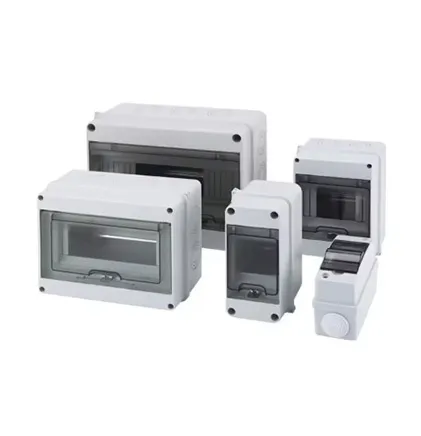
Modular distribution boxes aren't just metal containers – they're the beating heart of modern power infrastructure. Think of them as high-tech command centers that keep electricity flowing safely to every device and system in your space. Unlike those old-fashioned junction boxes that required an electrician's prayer and three different tools to open, today's modular systems are like LEGO blocks for professionals – snap together what you need, add more when you need it, no PhD required.
Why professionals love them: Imagine finishing a commercial wiring project in half the time, troubleshooting circuits without tracing spaghetti lines, or adding capacity without shutting down operations. That's not magic – that's smart engineering meeting smart installation practices.
Remember when installing a distribution panel meant wrestling a steel behemoth into place? Those days are over. Now it's more like assembling a premium suitcase with precision-engineered components:
The true beauty lies in expansion possibilities. Need to add solar monitoring next quarter? Just slot in the monitoring module. Planning EV chargers next year? Save space for them without paying upfront. It's infrastructure that grows with you.
Installation shouldn't feel like defusing a bomb. With modern techniques, even complex setups become straightforward:
Professional installers don't just use screwdrivers and pliers anymore:
The difference? New installers produce professional-grade results in half the time. What used to be an 8-hour solo job becomes a 3-hour project for two – with better quality control.
Expansion shouldn't mean starting over. Modern systems anticipate your future needs:
Imagine adding circuits like plugging USB devices into a hub. That's the reality of well-designed modular platforms:
John Reynolds, a facility manager for a tech campus, shared his experience: "We started with basic power distribution. When we added solar integration later, the expansion took one morning and caused zero downtime. The original system cost 15% more than conventional panels, but we recovered that in three months through labor savings alone."
Growth shouldn't create limitations. Plan expansion strategically:
Zoned expansion approach: Design primary hubs with satellite boxes instead of one massive central unit. This creates distributed power networks that reduce transmission distance and allow isolated upgrades.
This approach transforms expansion from a construction project into a simple component upgrade - more like adding RAM to a computer than rewiring a building.
Even brilliant systems can stumble on installation mistakes. Dodge these common pain points:
Before adding new modules:
Skipping steps leads to that sickening "pop" moment we all dread. Stay thorough – it saves hours in rework.
The systems being installed today must serve buildings decades from now. Build in adaptability:
That "extra space" isn't laziness – it's foresight:
The extra costs average just 2-3% of the project but create 200% flexibility. It's the cheapest insurance you'll ever buy.
Plan for technologies not on your radar today:
Include shielded pathways and empty conduits for future smart technology, even if you're installing conventional wiring now. The extra material cost is minimal compared to retrofitting later.
This is how infrastructure transforms from static equipment into dynamic, evolving platforms.
Modular distribution boxes are more than components – they're workflow revolutionizers:
The transition requires rethinking old habits, but the payoff arrives immediately on the first install – and keeps delivering for decades. Your clients will thank you for minimal disruption. Your installers will appreciate the ergonomic improvements. And your bottom line will benefit from the efficiency.
The future isn't in massive custom builds – it's in smart, scalable systems. Master these techniques now, and watch your capabilities grow as flexibly as the boxes you install.
Recommend Products












