


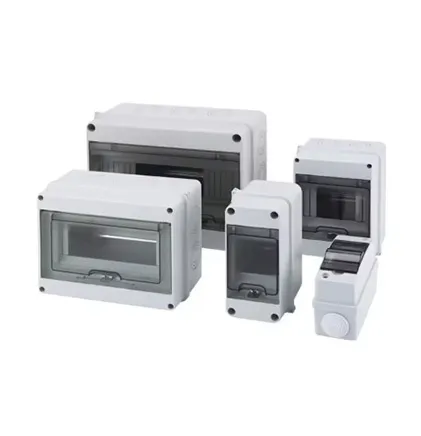
Walking into a factory that makes distribution boxes feels like entering the central nervous system of modern infrastructure. Those unassuming metal or plastic containers quietly power our cities, homes, and workplaces. But here's the real deal: not all distribution boxes are created equal . I've seen factories where excellence hums through production lines like electricity through copper wires, and others where shortcuts hide behind polished packaging.
Today, we'll break down exactly what separates the best from the rest. Forget cookie-cutter checklists – we're talking about the real, practical inspection points that determine whether a distribution box will perform flawlessly for decades or become an electrical hazard in five years.
The Factory Audit Blueprint
Picture an audit like a health check-up for manufacturing. It's not about catching failures after they happen, but ensuring the vital systems work correctly from the start. For distribution boxes, this means scrutinizing seven core areas:
Materials: The Foundation of Quality
Let's talk materials – because no amount of clever engineering saves a distribution box made from substandard components. During audits, we physically verify material certifications:
| Material Type | Critical Properties | Field Failure Signs |
|---|---|---|
| Copper Busbars | Conductivity ≥ 98% IACS, no surface oxidation | Overheating terminals, voltage drop |
| Polycarbonate Enclosures | UV stability, impact resistance > 10J | Yellowing, brittle cracks in cold |
| Stainless Steel Hinges | 316L grade, salt spray test > 500hrs | Seized mechanisms in coastal areas |
Last summer, I watched an engineer discover counterfeit waterproof gaskets that felt "too hard" during routine material inspection. Lab tests confirmed they'd crack within 18 months. That’s why physical verification matters.
Production Floor Reality Check
The magic happens on the floor, but so do the problems. Here’s what separates audit theater from actual compliance:
Weld Inspection: Poor penetration welds on enclosures create moisture entry points. We carry ultrasonic testers to spot hidden faults beyond visual checks.
Grounding Continuity: Distribution boxes lacking proper bonding paths become lethal during faults. Multimeter checks at random units catch installation laziness.
Recently, a facility impressed us with real-time dashboard tracking. Every distribution box had a digital passport showing assembly time, torque values for terminals, and even ambient humidity during sealing – true transparency .
The Human Element
Audits aren’t just about machines; they're about people. Workers building these boxes need proper training, ergonomic stations, and unambiguous work instructions. I always ask:
"Show me how you install surge protectors" rather than "Are procedures followed?" The hands-on demonstration reveals true competence.
In our last audit cycle, we discovered technicians skipping anti-corrosive coating steps because the paint station was 100m from assembly lines. A simple relocation boosted compliance by 67%. Little things matter.
Environmental & Safety Integration
Modern factories blend safety and environmental care seamlessly. Top-tier distribution box suppliers treat solvent fumes not just as compliance issues, but as waste heat recovery opportunities.
Observing emergency drills proves readiness: How fast does production safely halt during simulated fires? Where are chemical spill kits actually located? These details predict crisis responses.
It was interesting how companies committed to green and environmentally friendly building materials showed lower defect rates overall – suggesting holistic quality cultures.
Sealing the Deal: Final Verification
Before shipment, we validate three crucial aspects:
Remember that time thousands of "weatherproof" boxes failed in monsoon season? The audit missed that they’d skipped rain simulation tests during production peaks. Trust but verify.
Wrapping It Up
At day's end, factory audits for distribution boxes distill to one truth: Quality isn't an inspection result, it's a system that lives in the factory's bones . The suppliers worth partnering with don’t just pass checks – they engineer reliability into every step.
These unassuming containers keep hospitals lit, data centers running, and homes safe. By auditing thoroughly today, we prevent tomorrow’s failures. And when all seven inspection points align? You don’t just get a distribution box. You get peace of mind.










