
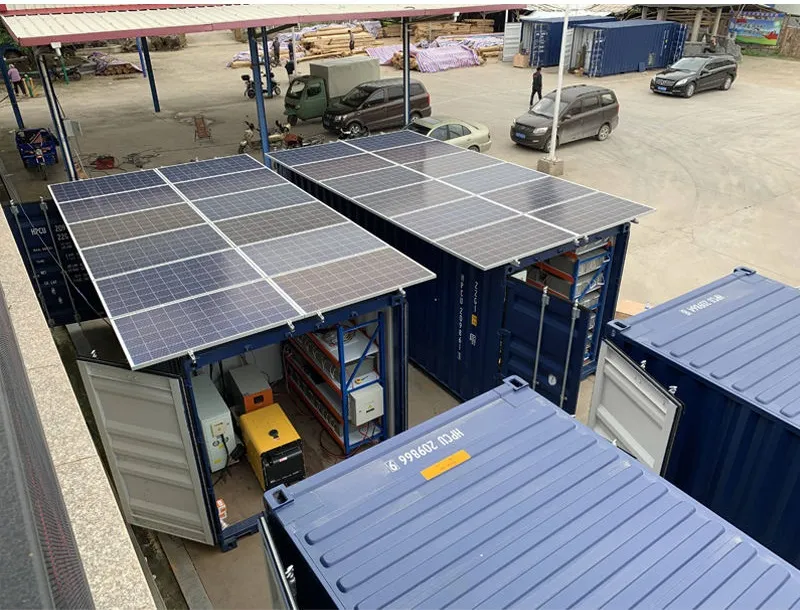
Picture this: You're standing on a sun-drenched rooftop, watching your newly installed solar panels quietly convert sunlight into electricity. But did you know these shimmering rectangles can generate more than just kilowatt-hours? In today's carbon-conscious world, they're becoming veritable revenue engines through mechanisms most solar owners never explore.
While most solar adopters celebrate slashed electricity bills, few recognize that every megawatt their panels produce creates valuable environmental assets. The carbon trading landscape turns clean energy into tangible financial returns, yet it remains the solar industry's best-kept secret.
"My solar investment paid off unexpectedly when I discovered carbon credits," shares Amanda Reynolds, a California homeowner. "The quarterly checks felt like finding money in winter coat pockets—except these pockets keep getting deeper!"
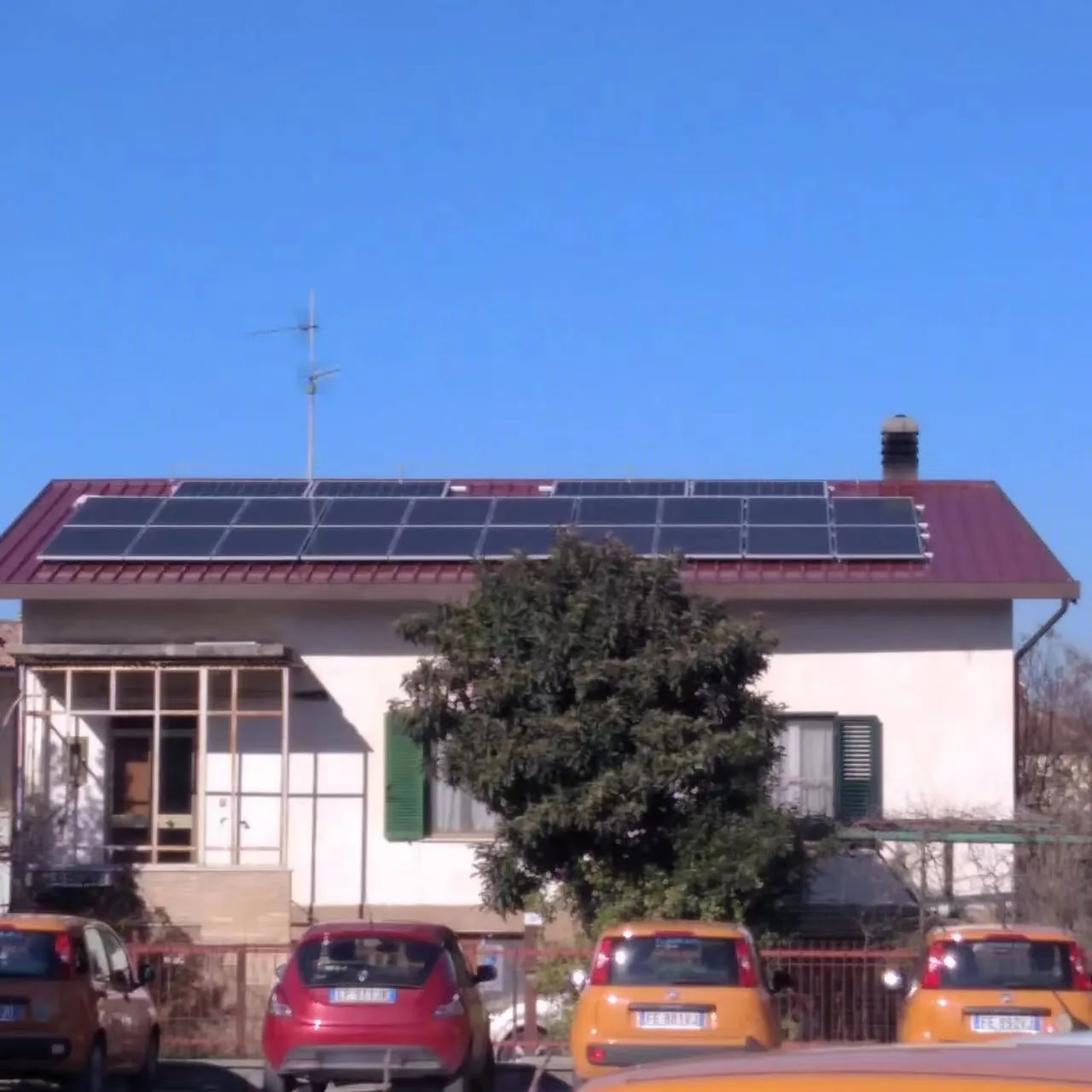
Carbon trading works like a stock exchange for pollution rights. When your solar project displaces fossil-fueled electricity, it creates Certified Emission Reductions (CERs). These become tradeable assets in global carbon exchanges:
The process feels like magic but stems from rigorous science. Every kilowatt-hour your panels produce means one less kwh generated from coal or natural gas. The carbon differential becomes your financial advantage.
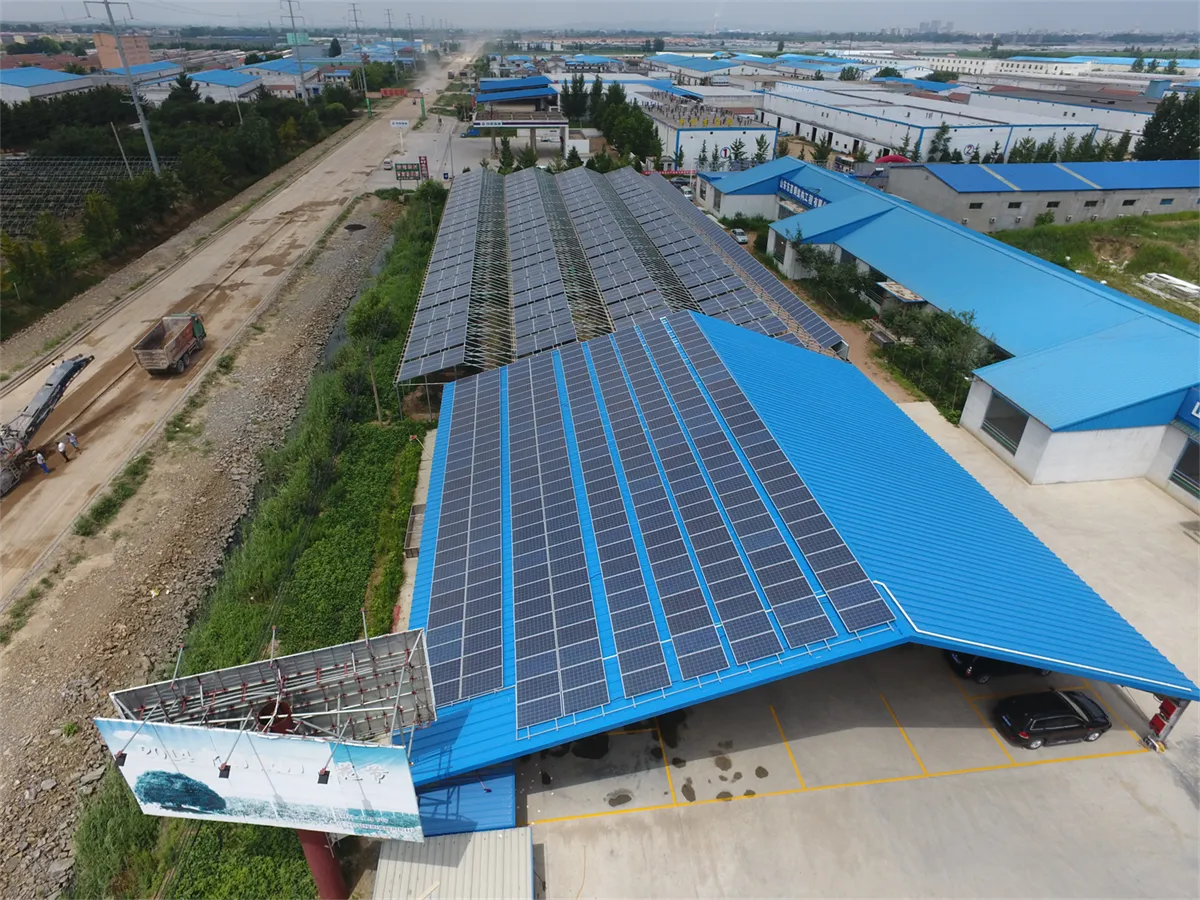
Maximizing solar income requires stacking revenue streams like photovoltaic layers:
| Revenue Stream | Potential Value | Activation Effort |
|---|---|---|
| Electricity Savings | High | Automatic |
| Grid Export Payments | Medium | Utility Program Opt-in |
| Carbon Credits | 15-30% Income Boost | Verification Registration |
Carbon trading transforms solar installations from cost-saving measures to genuine investment assets. New York-based warehouse manager Carlos Mendoza testifies: "The carbon revenue let us expand our solar capacity without touching capital reserves. Our roof became a profit center."
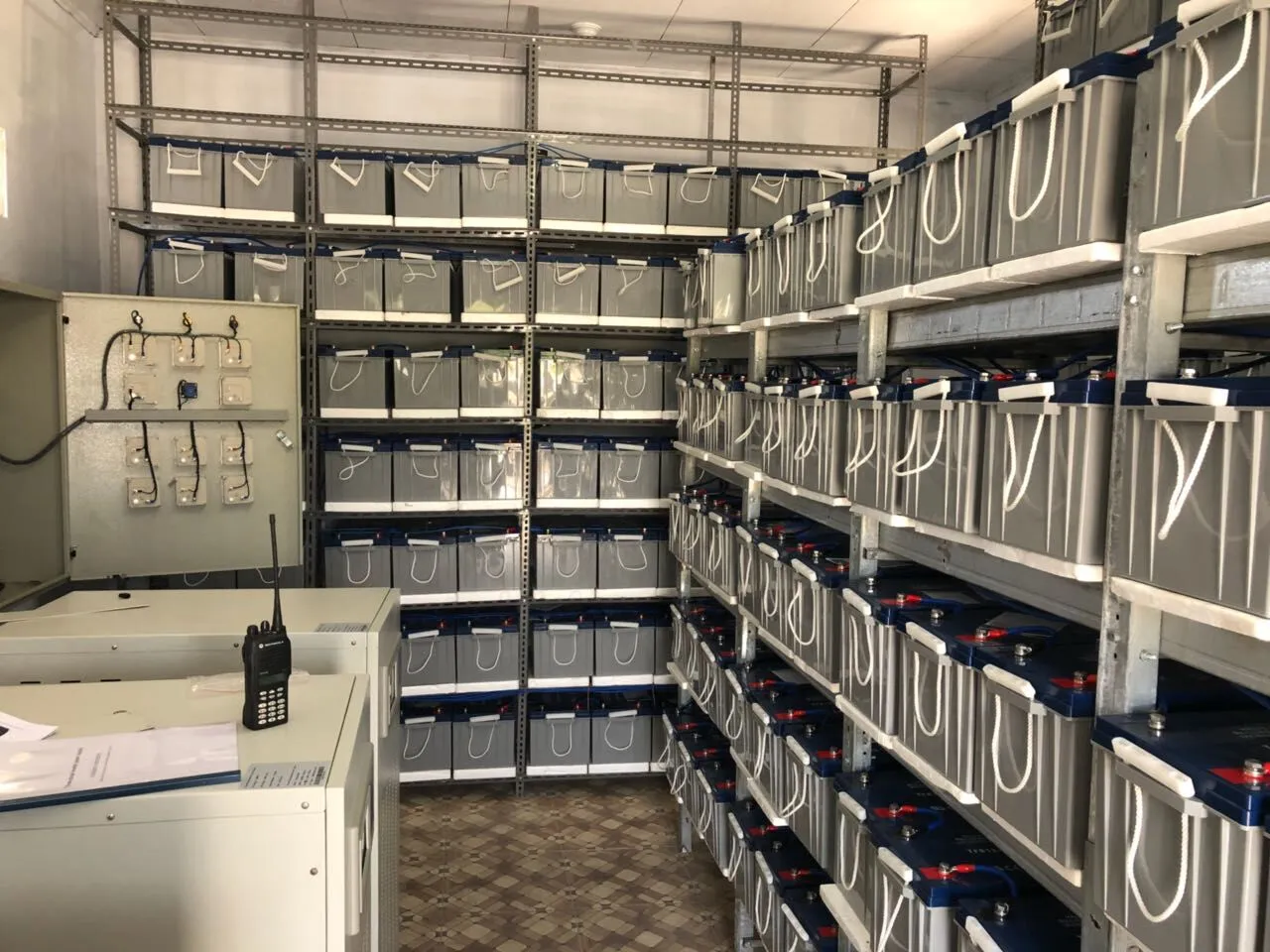
Most solar carbon value evaporates through certification inertia. Projects must pass "additionality" tests—proving they wouldn't exist without carbon finance. While commercial installations hire consultants, new automated systems help homeowners:
The paper trail intimidates many owners, but third-party specialists handle documentation for 15-20% of carbon revenue. For 10kW+ systems, the math almost always favors certification participation.
Transforming panels into carbon assets involves just three steps:
1. Eligibility Certification
Work with UN Clean Development Mechanism validators to establish your baseline energy displacement
2. Monitoring Setup
Install data loggers that track solar production and automatically calculate carbon offsets
3. Trading Execution
Sell CERs through exchanges like ICE or through bilateral corporate contracts
Chicago teacher Rebecca Warren started small: "I felt overwhelmed until we joined a community solar carbon pool. Now we sell our credits directly to a local brewery brewing 'carbon-neutral beer'—at premium prices!"
Recommend Products












