

When it comes to giving a building a fresh, new look—or even breathing life into a tired structure—few elements make as big an impact as the exterior walls. They're the first thing visitors notice, the first line of defense against rain, wind, and sun, and a silent storyteller of a property's character. But for homeowners, architects, and project managers alike, exterior wall renovation often feels like navigating a maze: How do you balance eye-catching design with long-lasting durability? How do you stay within budget without sacrificing quality? And where do you even begin to find materials that check all these boxes?
If you've ever asked yourself these questions, you're not alone. The world of exterior decoration materials is vast, with options ranging from traditional brick and stone to modern composites and synthetics. But in recent years, one solution has risen to the top as a game-changer for both residential and commercial projects: MCM flexible cladding stone wall panel solutions . Lightweight, versatile, and surprisingly resilient, these panels are redefining what's possible for exterior walls. And when paired with the right building material supplier —one that offers a one-stop architectural solution —they become part of a renovation journey that's as smooth as the finished walls themselves.
Let's start with the basics: Your exterior walls do more than just look pretty. They protect your home or business from the elements, insulate against extreme temperatures, and even influence energy bills. A poorly chosen material can lead to peeling paint, water damage, mold growth, or skyrocketing heating costs—all of which eat into your wallet and peace of mind. On the flip side, a well-designed exterior with high-quality materials can boost property value by up to 20%, according to real estate experts, while making daily life more enjoyable (there's something undeniably satisfying about pulling up to a building that makes you think, "Wow, that looks amazing").
The problem? Many traditional materials fall short in one key area or another. Natural stone, for example, is stunning but heavy—requiring reinforced structural support that adds time and cost to a project. Vinyl siding is affordable but prone to cracking in extreme heat or cold, and it rarely offers the high-end aesthetic of stone or wood. Brick is durable but limited in design flexibility; once installed, changing its color or texture is nearly impossible without a complete overhaul.
This is where exterior decoration materials like MCM flexible cladding step in. They're engineered to solve these pain points, offering the best of both worlds: the beauty of natural materials with the practicality modern projects demand.
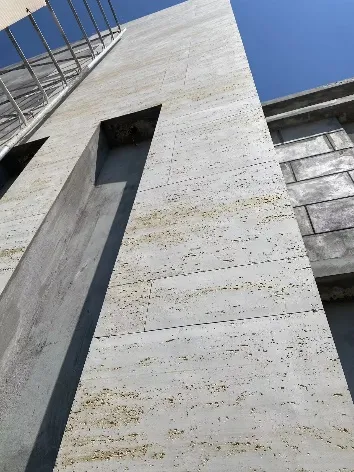
So, what exactly is MCM flexible cladding? At its core, MCM (Metal Composite Material) is a sandwich of two thin metal layers (often aluminum) bonded to a lightweight core. But when we talk about "MCM flexible cladding stone wall panels," we're referring to a specialized version designed to mimic the look and texture of natural stone—without the weight or rigidity. Think of it as stone's more adaptable cousin: it can curve around corners, wrap columns, or even be cut into custom shapes, all while weighing up to 70% less than traditional stone slabs.
1. Lightweight & Easy to Install : One of the biggest advantages of MCM panels is their weight. A typical 4x8-foot MCM stone-look panel weighs just 8-10 pounds, compared to 50-60 pounds for a similar-sized natural stone slab. This means less stress on your building's structure, faster installation (no need for heavy machinery or extra labor), and lower shipping costs. For renovation projects where time is money, this can cut installation timelines by 30% or more.
2. Weather Resistance That Stands Up to Saudi Arabia's Climate : For properties in regions like Saudi Arabia, where temperatures soar in summer and sandstorms are a reality, durability is non-negotiable. MCM panels are designed to withstand extreme heat (up to 120°F), heavy rain, and even saltwater spray (making them ideal for coastal areas). Unlike wood, they won't rot or warp; unlike vinyl, they won't fade or crack under the sun. Many MCM panels also come with UV-resistant coatings, ensuring their color stays vibrant for decades.
3. Design Versatility for Every Style : Whether you're aiming for a rustic stone cottage vibe, a sleek modern high-rise, or a Mediterranean-inspired villa, MCM flexible cladding delivers. Manufacturers offer hundreds of finishes, from rough-hewn "mountain stone" textures to smooth, polished "marble" looks. Some even mimic rare stones like travertine or slate, giving you access to high-end aesthetics without the premium price tag of importing natural materials. And because the panels are flexible, they can be installed on curved walls, gables, or even 3D facades—opening up creative possibilities traditional materials can't match.
4. Eco-Friendly & Cost-Effective Long-Term : MCM panels are often made with recycled materials, and their lightweight design reduces carbon emissions during transportation. They're also low-maintenance: a quick rinse with water once or twice a year is usually enough to keep them looking fresh. Over time, this adds up to significant savings compared to natural stone, which may require sealing every 2-3 years, or wood, which needs staining and painting regularly.
Take, for example, a recent renovation of a commercial office building in Riyadh. The client wanted a modern, upscale exterior that would stand out in the city's skyline but stay within a tight budget. Traditional stone was ruled out due to cost and installation time, so the project team opted for MCM flexible cladding stone wall panel solutions in a warm beige "sandstone" finish. The result? A facade that looks like it's wrapped in natural stone, but was installed in just 10 days (compared to 3 weeks for stone), and came in 25% under the initial stone budget. Two years later, the panels still look brand-new, even after enduring summer temperatures of 115°F and occasional sandstorms.
Residential projects benefit, too. A homeowner in Jeddah wanted to update their villa's exterior from plain stucco to something more luxurious. They chose MCM panels in a "granite" finish, paired with black metal accents. The panels were installed directly over the existing stucco (no need for demolition), saving weeks of work. Now, the home's exterior turns heads in the neighborhood, and the homeowner loves that they can hose it down in 10 minutes and call it a day—no scrubbing or sealing required.
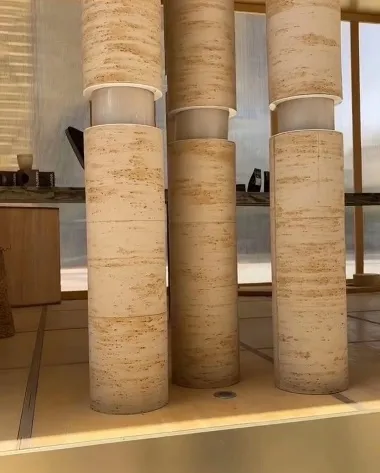
While MCM flexible cladding is a standout choice, the best exterior renovations often combine multiple materials to create depth and visual interest. That's where working with a one-stop architectural solution provider becomes invaluable. Instead of cobbling together materials from different suppliers, you can access a curated range of architectural façade solutions designed to work together seamlessly. Here are a few complementary options worth considering:
If you love the look of stacked stone but want something even lighter than MCM, PU stone wall panel solutions are a great fit. PU (polyurethane) stone panels are made from a foam-like material that's molded to replicate the texture of natural stone—think rough-hewn edges, varying depths, and earthy tones. They're water-resistant, fire-retardant, and so lightweight that they can be installed with basic tools (no special training required). Many homeowners use them to accent entryways, porch columns, or lower wall sections, pairing them with MCM panels for a layered look that feels both rustic and refined.
For commercial buildings or modern homes that lean into clean lines, porcelain slab tile for wall solutions are a game-changer. These large-format tiles (often 5x10 feet or bigger) come in polished, matte, or textured finishes, and they're virtually indestructible. Stain-resistant, scratch-proof, and impervious to moisture, they're perfect for high-traffic areas like lobbies, restaurant exteriors, or pool surrounds. When paired with MCM cladding—say, porcelain slabs on the lower half of a building and MCM panels above—they create a sophisticated, high-end aesthetic that reads as "luxury" from the street.
WPC (Wood-Plastic Composite) panels are another versatile option, especially in regions with high humidity or near the coast. Made from a blend of wood fibers and plastic, they mimic the look of wood but won't rot, warp, or attract termites. They're often used for exterior accent walls, pergolas, or even entire facades in tropical-inspired designs. A hotel in Dammam, for example, used WPC panels in a warm "teak" finish for their outdoor dining pavilions, pairing them with MCM cladding on the main building. The result? A resort-like feel that's durable enough to withstand the coastal humidity.
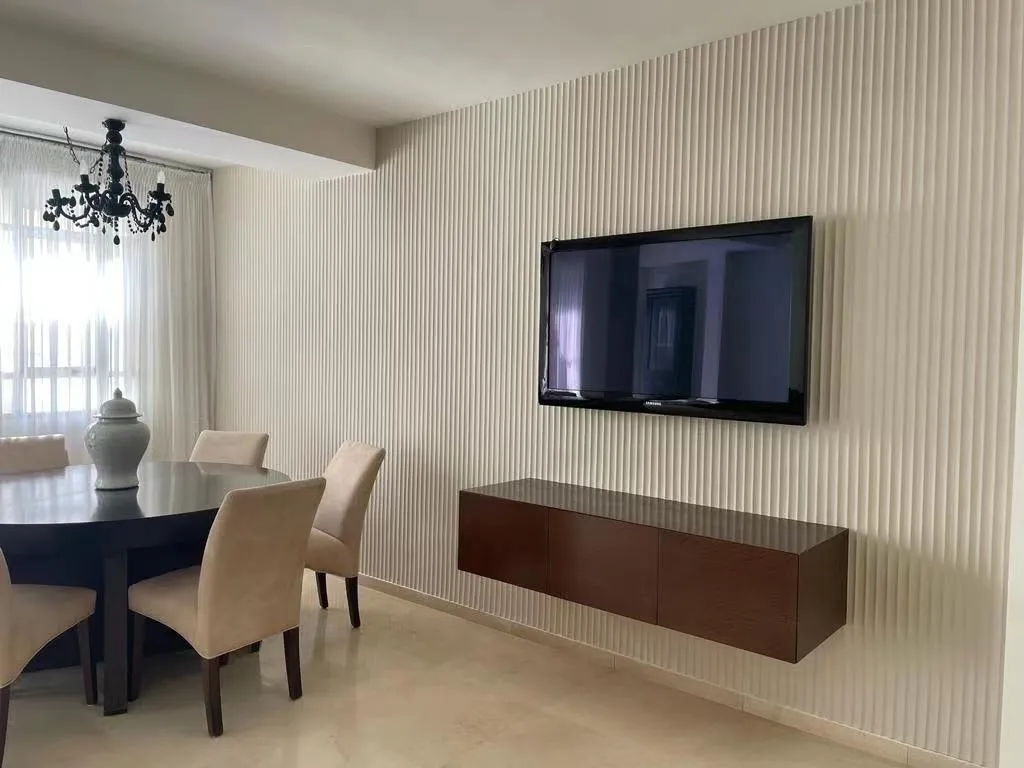
Imagine trying to plan a dinner party where you have to buy appetizers from one store, main courses from another, and desserts from a third—all while hoping they'll arrive on time and taste good together. Renovating an exterior with materials from multiple suppliers is a lot like that: stressful, time-consuming, and risky. What if the MCM panels you ordered don't match the color of the PU stone panels from another supplier? What if one material arrives weeks late, delaying the entire project?
This is why more and more project managers and homeowners are turning to residential and commercial building materials suppliers that offer a one-stop shop. Here's why it matters:
Consistency in Quality & Design : A one-stop supplier controls the entire product line, ensuring that materials like MCM panels, PU stone, and porcelain slabs are color-matched and designed to work together. No more surprises when materials arrive on-site.
Time & Cost Savings : Instead of coordinating with 5-6 suppliers, you have one point of contact. This reduces miscommunication, speeds up approvals, and often leads to bulk pricing discounts (buying MCM panels and PU stone from the same supplier might save you 10-15% compared to buying them separately).
Expertise at Your Fingertips : A reputable one-stop supplier doesn't just sell materials—they employ experts who can help you choose the right solutions for your climate, budget, and design goals. Need to know if MCM or PU stone is better for your coastal home? They've got the data. Want to mix and match textures without clashing? They can share renderings or case studies of similar projects.
Let's walk through a hypothetical project: A school in Riyadh wants to renovate its exterior to be more modern and energy-efficient. They need materials that are fire-resistant (critical for educational buildings), low-maintenance, and budget-friendly. Working with a one-stop supplier, here's how it might unfold:
1. Consultation : The supplier sends a team to assess the school's current structure, discuss the design vision, and note local climate challenges (heat, sand, occasional rain).
2. Material Selection : The supplier recommends MCM flexible cladding for the main façade (lightweight, fire-retardant, and customizable in the school's brand colors) and Class A fireproof CPL inorganic board for accent walls (an extra layer of safety for high-traffic areas). They also suggest PU stone panels for the entranceway to add warmth.
3. Coordination : The supplier handles ordering, shipping, and delivery, ensuring all materials arrive on-site in the correct sequence (so installers aren't waiting on one product). They even send a technical advisor to oversee the first day of installation, answering questions and troubleshooting.
4. Follow-Up : Six months later, the supplier checks in to ensure the materials are performing as expected, offering tips on maintenance and warranty support if needed.
The result? The school gets a safe, stylish exterior delivered on time and under budget—all without the headache of managing multiple suppliers.

Still unsure which material fits your project? Let's break down the key factors to consider with a quick comparison:
| Material | Best For | Weight (per sq. ft) | Installation Time | Maintenance Needs | Climate Resistance |
|---|---|---|---|---|---|
| MCM Flexible Cladding | Modern, high-design facades; curved/wavy walls | 0.8-1 lbs | Fast (2-3 days for a typical home) | Low (hose down annually) | Excellent (heat, cold, rain, sand) |
| PU Stone Wall Panels | Rustic accents; entryways; low walls | 0.5-0.7 lbs | Very fast (1-2 days for accents) | Low (wipe clean with mild soap) | Good (heat, rain; avoid extreme cold) |
| Porcelain Slab Tiles | Sleek, minimalist commercial buildings | 2-3 lbs | Moderate (3-4 days for a home) | Very low (stain-resistant; no sealing) | Excellent (all climates, including coastal) |
| Natural Stone | Traditional, high-end residential projects | 5-6 lbs | Slow (1-2 weeks for a home) | High (seal every 2-3 years) | Good (but heavy; risk of cracking in freeze-thaw) |
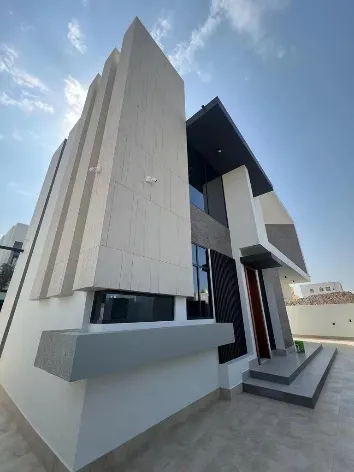
Exterior wall renovation doesn't have to be a stressful, compromise-filled process. With materials like MCM flexible cladding stone wall panel solutions leading the way, and the support of a one-stop architectural solution provider , you can transform your building's exterior into something that's as durable as it is beautiful. Whether you're updating a family home, a commercial office, or a hospitality space, the key is to prioritize materials that align with your climate, design vision, and long-term goals—and to partner with a supplier who understands how to bring that vision to life.
So, what are you waiting for? Your building's exterior is ready for a makeover—one that turns heads, stands the test of time, and makes you proud every time you see it. And with the right materials and supplier by your side, that transformation is closer than you think.
Recommend Products











