


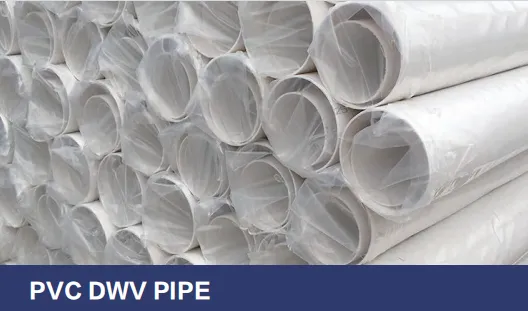
Behind the walls and beneath the floors of every home, office, or commercial building, there's a silent workhorse keeping things running smoothly: your plumbing system. And at the heart of that system, handling the messy, essential job of carrying away waste and ensuring proper ventilation, are PVC DWV pipes. Short for "Drain, Waste, and Vent," these pipes play a critical role in maintaining hygiene, preventing odors, and protecting your property from water damage. Yet, despite their importance, they're often overlooked—until something goes wrong.
PVC DWV pipes are prized for their durability, corrosion resistance, and affordability, which is why they've become a staple in modern construction. But like any building material, their lifespan depends largely on how well they're installed, maintained, and cared for. A poorly maintained PVC DWV system can develop leaks, clogs, or cracks in as little as a decade, leading to costly repairs, mold growth, and even structural damage. On the flip side, with the right attention, these pipes can reliably serve your property for 50 years or more. The difference? Proactive care and informed decision-making—starting with understanding what these pipes are, how they work, and how to keep them in top shape.
In this guide, we'll walk you through everything you need to know to extend the lifespan of your PVC DWV pipes. From choosing the right materials and installation partners to implementing a maintenance routine that catches issues early, we'll cover the expert tips that can save you time, money, and stress down the line. We'll also touch on the importance of partnering with trusted suppliers—because the quality of your pipes and fittings matters just as much as how you care for them. Let's dive in.










