
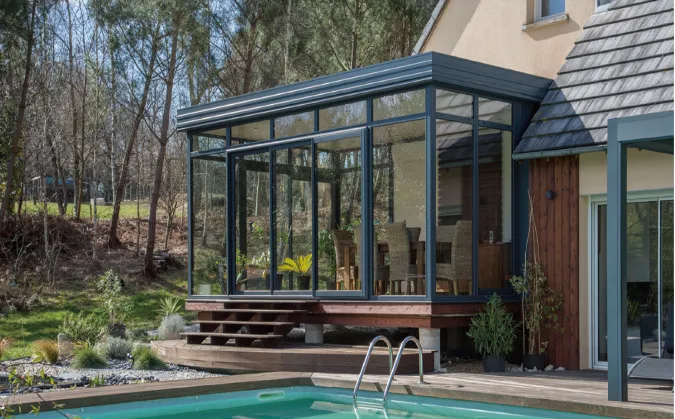
When blast waves become reality, glass transforms from view enhancer to deadly shrapnel generator
Remember 9/11? How office papers fluttered down Manhattan streets like surreal snow? That's the haunting signature of blast waves - invisible killers that turn everyday materials into lethal projectiles. I once visited a military hospital treating bombing survivors; the doctor pointed at X-rays showing glass shards embedded in bone . "These aren't from windows," he said quietly. "They're from coffee tables 30 feet away."
That moment changed everything about how I view architectural safety. We don't build for the calm days. We build for the storm.
You've seen the acronym plastered on brochures: EN13541. Sounds important, vague and bureaucratic, right? Let me translate:
EN13541 isn't about glass strength. It's about glass behavior under shockwave torture. Where conventional standards measure cracks or breaks, EN13541 asks: "After the explosion, will this shard-filled mess stay inside its frame?"
Picture this: engineers mount glass panels inside a massive pneumatic cannon. They don't test with explosives – too unpredictable. Instead, they create shockwaves using compressed gas, replicating bomb blasts ranging from small parcels to truck bombs.
The magic happens in nanoseconds: shockwave → glass flexes violently → interlayer stretches like saltwater taffy → energy dissipates. Good glass stays mostly intact. Weak glass becomes shotgun spray.
Forget confusing technical charts. Think of ER ratings like storm categories:
Handles blasts like:
Engineered for:
Why target sun rooms specifically? Architects love them for lighting and views. Terrorists love them because:
But properly designed EN13541 spaces transform the equation dramatically. Consider structural integrity first – how the entire system absorbs blast forces rather than just the glass. You wouldn't wear bulletproof vest with weak stitching.
After terrorist threats in 2021, engineers retrofitted a vulnerable atrium using ER4-rated glass with interlayers thicker than phone books. During testing, post-blast inspection revealed:
Security doesn't need to mean bunker aesthetics.
Yes, EN13541 glass costs 3-5x more than regular glass. But let's break down actual value:
Human Math: What's the dollar value of preventing these blast injuries?
| Glass shard eye injuries | Avg. $150,000 medical cost |
| Secondary blast injuries | 2.3x higher mortality |
Insurance companies notice. Many now offer 15-30% premium reductions for EN13541-certified structures because they statistically reduce:
The next frontier isn't thicker glass – it's smarter materials. We're seeing:
Materials reacting to blast waves by temporarily becoming denser. Like tiny airbags inside glass layers.
Algorithms that map building designs against historical blast patterns to spot unseen vulnerabilities.
Metal alloys that "remember" original shapes after deformation. The Terminator architecture.
Final truth? EN13541 isn't just a standard. It's a covenant between architects and occupants: "When chaos comes, this space won't become part of the shrapnel." That trust can't be priced, but it's always worth investing in.
Recommend Products












