
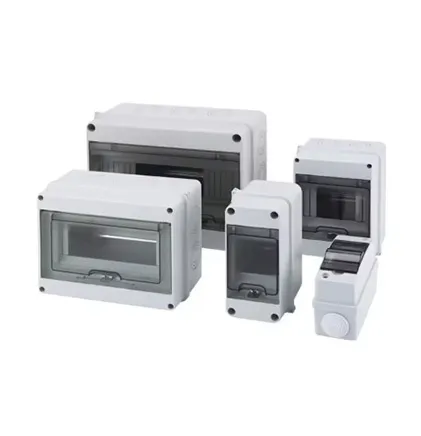
Seven workers vanished after a deafening blast tore through a California fireworks facility last July – a chilling reminder of why explosion-proof electrical equipment installation isn't just regulation, it's life insurance. Unlike standard distribution boxes that could become shrapnel shards in volatile environments, explosion-proof containers are engineered fortresses that absorb, contain, and vent catastrophic blasts without becoming fragmentation bombs themselves.
Combustible dust, volatile gases, and chemical reactions transform ordinary workplaces into potential warzones. An energy-efficient LED or a sparking connection inside a standard electrical enclosure becomes an ignition source ready to chain-react with surrounding fuels. The 2025 Sacramento fireworks disaster revealed how improperly managed facilities create perfect conditions for catastrophe – concentrated fuels, ignition sources, and confined spaces.
| Hazard Type | Common Environments | Ignition Risks |
|---|---|---|
| Combustible Dust | Food processing plants, pharmaceutical facilities, grain silos | Electrical sparks, static discharge, overheating motors |
| Flammable Gases | Refineries, chemical plants, wastewater facilities | Switch arcing, lightning strikes, friction sparks |
| Volatile Chemicals | Paint booths, solvent processing facilities, laboratories | Hot surfaces, lighting ballasts, thermal overload |
These environments require electrical distribution boxes that don't just contain sparks but withstand massive internal explosions. Certification standards like ATEX, IECEx, and NEC Class I/II Division standards require explosion-proof enclosures to:
The wiring conduits leading to explosion-proof boxes must be more than piping – they're pressurized containment systems. Installation requirements exceed standard electrical work:
Heat buildup becomes an ignition source. Specialized installation includes:
The molecular size of gases and dust changes sealing requirements:
Life-Saving Insight: The California blast investigation revealed standard explosion-proof boxes were installed but with Class II sealing compounds in a Class I environment – allowing propane vapors to infiltrate enclosures. Certification documents must be site-specific, not generic.
Proper setup is only the beginning. Maintenance requirements differ radically:
| Maintenance Factor | Standard Boxes | Explosion-Proof Boxes |
|---|---|---|
| Surface Cleaning | Bi-annual wipe-down | Weekly chemical decontamination |
| Gasket Inspections | Visual during servicing | Micrometer measurement every 90 days |
| Thermal Scanning | Not required | Quarterly IR temperature mapping |
A Midwest flour mill explosion occurred not from faulty installation but from corn starch buildup on enclosure surfaces reducing heat dissipation by 47%. Combustible layers became powder kegs waiting for ignition.
Installation technicians need specialized credentials often overlooked:
A refinery project revealed only 3 of 28 electricians could interpret hazardous area classification drawings correctly. Technical excellence demands human expertise.
Like the California facility that mixed fireworks components without proper zoning, explosion-proof installations demand continual evolution:
The seven missing workers represent the ultimate cost of compartmentalized safety thinking. Explosion-proof boxes aren't metal containers – they're integrated life-preservation systems requiring holistic design, precision installation, and continuous vigilance. In volatile environments, electricity must be both servant and prisoner.
⚠️ Final Warning: Standard electrical certifications mean nothing in explosive environments. Demand IECEx or ATEX certification sheets specific to YOUR hazard classification, verify installer credentials, and implement maintenance logs with micrometer gasket measurements. Life hangs on these decimals.
Recommend Products












