


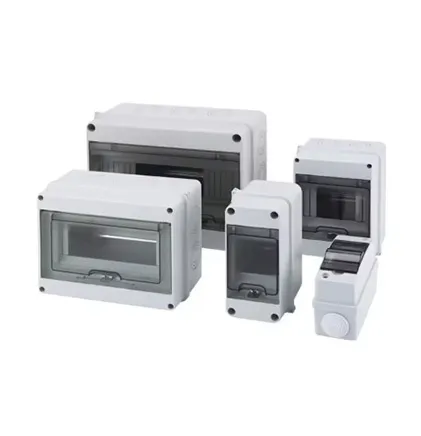
Your Practical Guide to Electrical System Upgrades
Ever felt that jittery feeling when flipping a switch after upgrading your electrical system? Like your home’s heartbeat suddenly got louder? Distribution boxes sit silently in our walls, humming the quiet tune of modern life. But when expansion knocks, that humming needs to transform into a symphony. Let’s unpack what it really takes to scale these guardians of electricity without turning sparks into fireworks.
Section 1: The Safety Dance – Assessing Risks Before Installation
You wouldn't build a skyscraper without checking the foundation, right? Distribution box upgrades demand that same surgical attention. Here’s what you need to keep in mind:
The Hidden Enemy: Load Creep
That "just one more appliance" mentality? It quietly overloads circuits like snow piling on a branch. Measure existing loads like a detective - infrared thermometers reveal hot spots screaming for relief.
Corrosion Time Bombs
Metal boxes in damp environments? That’s nature’s recipe for greenish-blue oxidation parties. Check junction points for crusty build-up that weakens connections faster than chewing gum loses flavor.
Wire Whispering
Cables shouldn’t look like tangled headphones in your pocket. Measure wire gauge compatibility - underrated wires heat up faster than a frying pan on high. Listen for faint buzzing: that’s electricity begging for space.
Looking ahead: With buildings increasingly using solar panels (a key emerging trend), distribution systems must handle bidirectional energy flows. Future-proof your box design like building roads anticipating future traffic.
Section 2: Hand-to-Wire Combat – Mastering Installation Steps
Positioning Your Power Hub
Mounting height isn't just about convenience – it's safety poetry. Keep boxes above potential flood levels but within easy reach. Avoid "behind the sofa" locations like you'd avoid hiding cookies from kids. Remember: accessibility saves panic during midnight tripping.
The Concrete Embrace
Concealed installations need snug-fitting hugs in walls. Cut openings slightly bigger than the box, then seal with mortar like filling tooth cavities – gaps cause moisture invasions and structural shivers. Double-check alignment with a level; crooked boxes bug perfectionists like mismatched socks.
Weathering the Storm
Outdoor or high-moisture areas demand armor plating. Coat metal surfaces with anti-corrosion paint thicker than sunscreen on a beach day. For coastal areas, consider sacrificial zinc anodes – they rust first like knights taking arrows for the king.
Breathing Room Rules
Cramming wires into boxes is like stuffing suitcases – leads to creases and tears. Leave 40% air space minimum for heat dissipation. Use cable combs to organize wires like hairdressers taming frizz – neat bundles stay cooler under pressure.
Section 3: Maintenance – The Never-Ending Relationship
Installation isn’t a one-night stand; it's marriage material. Schedule seasonal checkups:
- Listen for buzzing – louder humming means stressed components
- Sniff test – that faint ozone scent? That’s electrical distress signals
- Visual scans – blackened terminals tell horror stories of overload battles
Consider thermal imaging checkups every two years – like medical scans for your building’s circulatory system.
Beyond the Box: Emotional Voltage
We rarely think about distribution boxes until lights flicker during movie climaxes. That jarring darkness? It's not just electricity failing – it's trust fracturing. Well-executed expansions transform anxiety into confidence. Every click of a switch becomes a tiny celebration of invisible safety.
Like a backstage crew at a concert, distribution boxes work unseen but make the show possible. Honor their role – install with care, maintain with vigilance, upgrade with vision. Because the hum in your walls? That's the sound of modern life singing in tune.










