
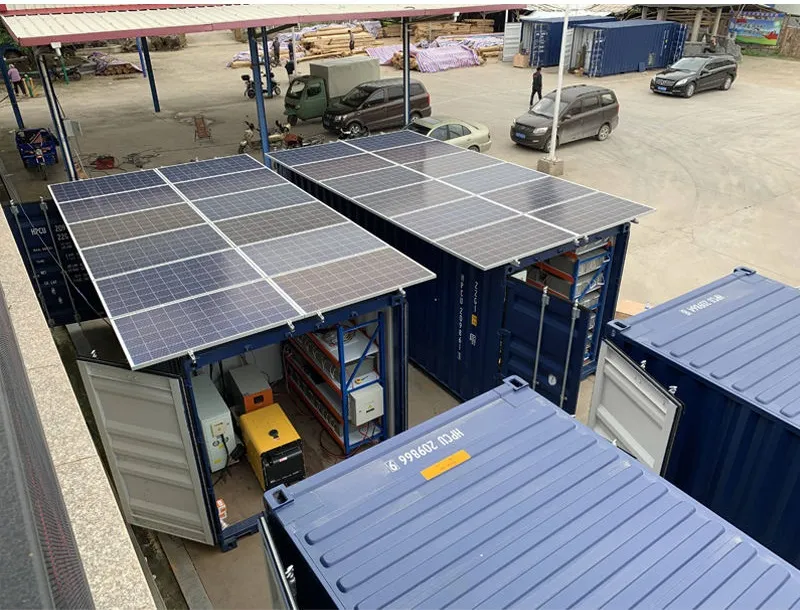
Solar energy systems promise clean, renewable power, but they face an invisible enemy: Potential Induced Degradation (PID). This silent performance killer can slash panel efficiency by up to 30% without any visible damage. As solar farms age and installations multiply worldwide, PID repair equipment has emerged as a critical solution. But how effective is this technology in real-world conditions? Does lab performance translate to field results? And what happens after the repair when panels face environmental stressors again? Let's uncover the realities.
Key Insight: PID occurs when voltage differences between panel components create ionic migration paths. Sodium ions (especially from glass) contaminate solar cells, forming conductive bridges that bleed electricity. High humidity accelerates this electrochemical reaction, while system configuration determines vulnerability. Panels with negative voltage potential relative to ground face highest risk.
To understand PID repair, we must first dissect what causes degradation. It's not a manufacturing defect but a system-level vulnerability:
Four elements converge to trigger PID:
Field studies show coastal installations degrade twice as fast as arid ones. One Florida solar farm recorded 22% power loss in just 18 months due to salt-rich humidity accelerating PID.
Identifying PID requires sophisticated tools because visible inspection fails:
| Detection Method | PID Sensitivity | Field Practicality | Cost Factor |
|---|---|---|---|
| IV Curve Analysis | High (shows reduced shunt resistance) | Moderate (requires skilled technicians) | $$$ (specialized equipment) |
| Electroluminescence (EL) | Very High (reveals cell-level defects) | Low (panels must be disconnected) | $$$$ (expensive imaging gear) |
| Infrared Thermography | Medium (shows hotspots) | High (can scan operational arrays) | $$ (commercial drones) |
| Performance Analytics | Low-Medium (trend analysis) | High (automated monitoring) | $ (software-based) |
The IEC 62804 standard provides the benchmark: expose panels to 1000V bias at 85% humidity and 60°C for 96 hours. If power degrades >5%, PID vulnerability exists. Modern PID repair equipment manufacturers use this test for validation.
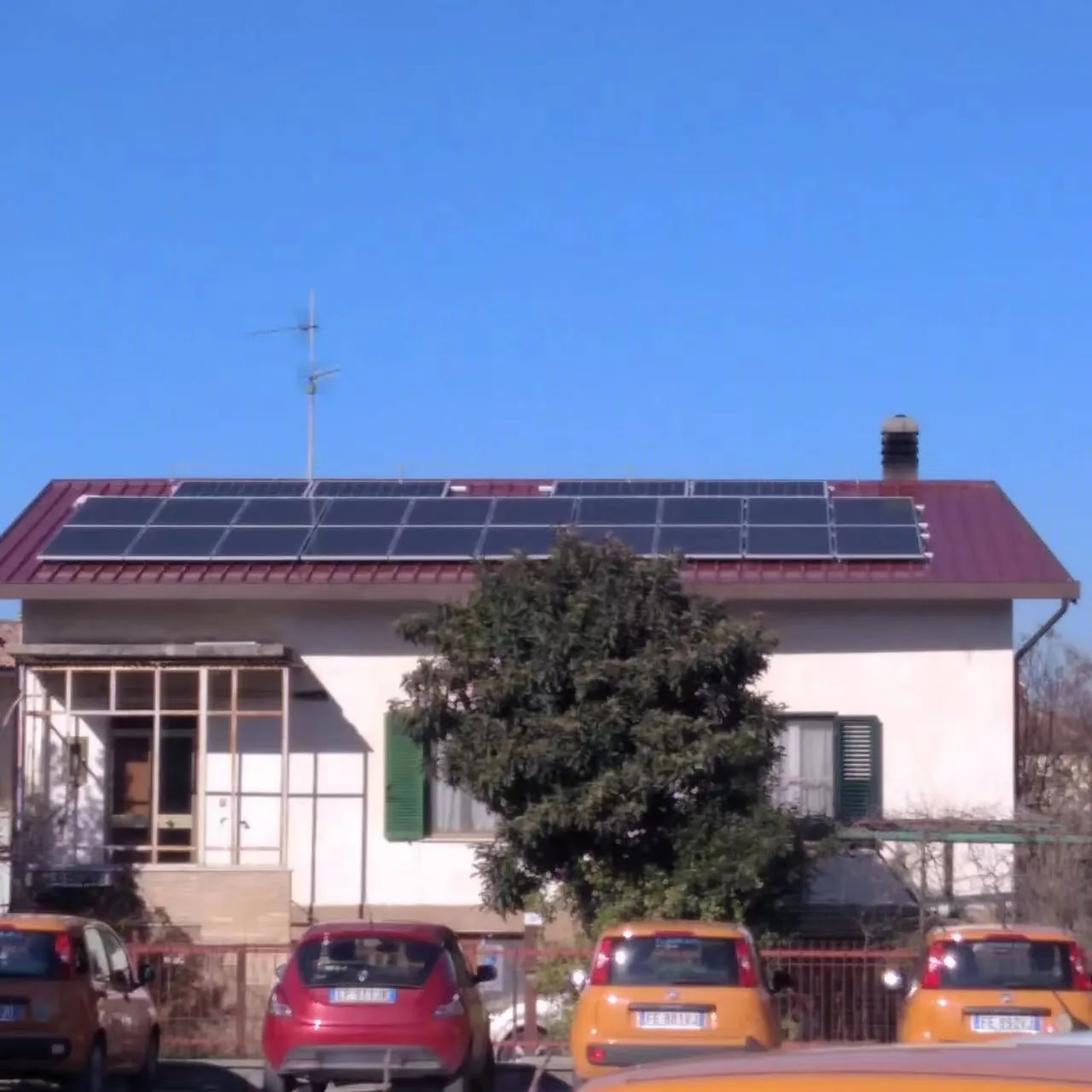
Two dominant technical approaches dominate the market:
This method applies positive voltage (typically 1000V+) to counteract the polarization effect. Think of it as rebooting corrupted circuitry. Current units feature:
Field data shows average recovery rates of 78-92% in 12-48 hours depending on degradation severity. Importantly, recovery isn't always linear – most improvement occurs in the first 8 hours.
By altering system grounding configurations, this approach prevents future degradation:
A 2023 comparison of three approaches at identical sites showed: Virtual grounding offered 24.15% power improvement after 2 months, slightly outperforming reverse voltage (21.01%) while costing only $0.0035/W to implement – about 1/4 the cost of reverse voltage systems.
| Solution Type | Power Improvement | Installation Complexity | Ongoing Maintenance | Cost per Watt |
|---|---|---|---|---|
| Virtual Grounding | 24.15% | Simple (connect AC lines) | Autonomous operation | $0.0035 |
| Reverse Voltage | 21.01% | Moderate (DC wiring) | Periodic activation | $0.012 |
| Combined Approach | 23.18% | Complex (multiple devices) | System coordination | $0.0155 |
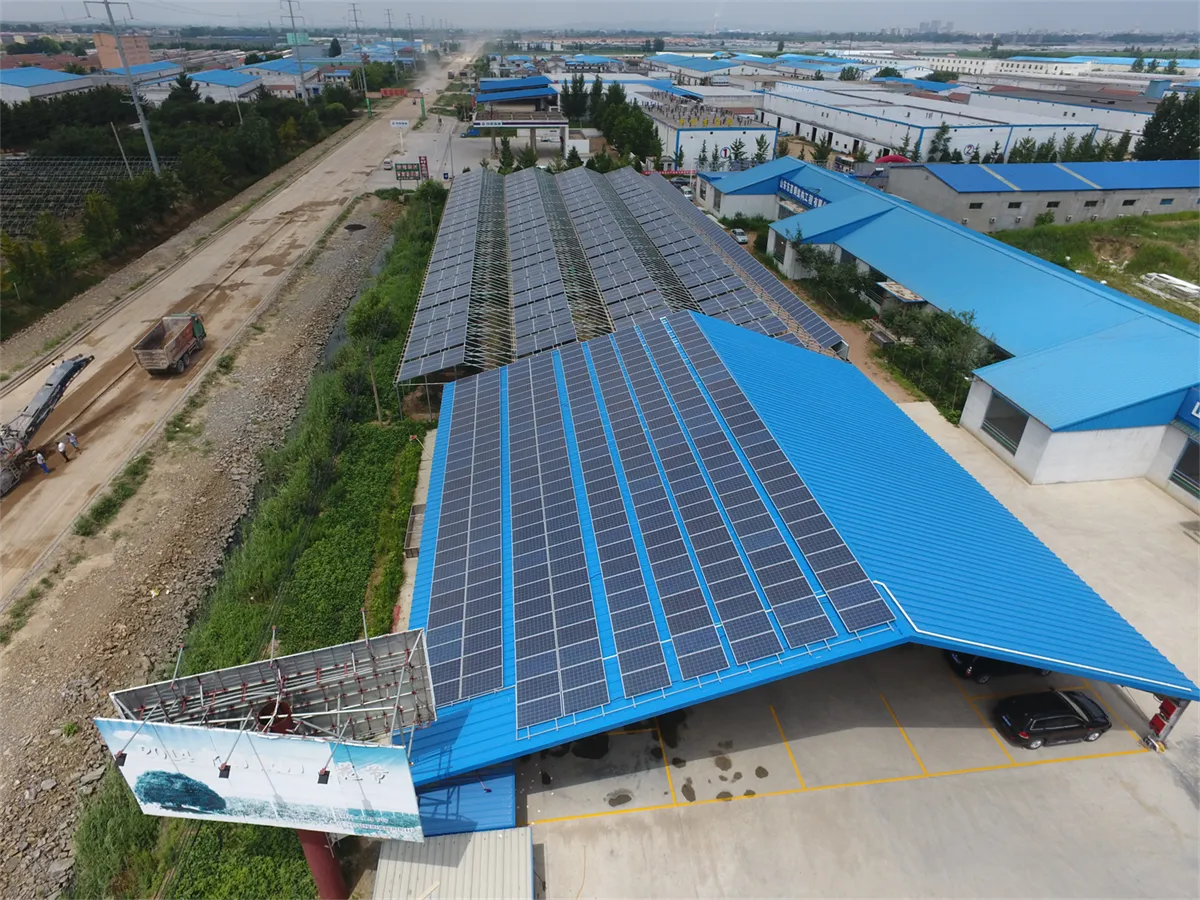
Lab tests don't reflect field realities. Three key findings from operational solar farms:
PID repair efficiency drops significantly below 10°C. Colorado installations saw 40% slower recovery in winter than summer. Modern units now include temperature-compensated algorithms.
In 17% of cases (per a 100-MW portfolio study), panels showed new failure modes within 6 months post-repair:
These findings suggest PID damage creates permanent structural vulnerabilities.
How long do repairs last? Data shows:
This argues for incorporating PID repair into regular maintenance cycles rather than one-time fixes. Considering the ecological building wall panels can improve energy efficiency, similar preventive approaches should be standard for solar farms.
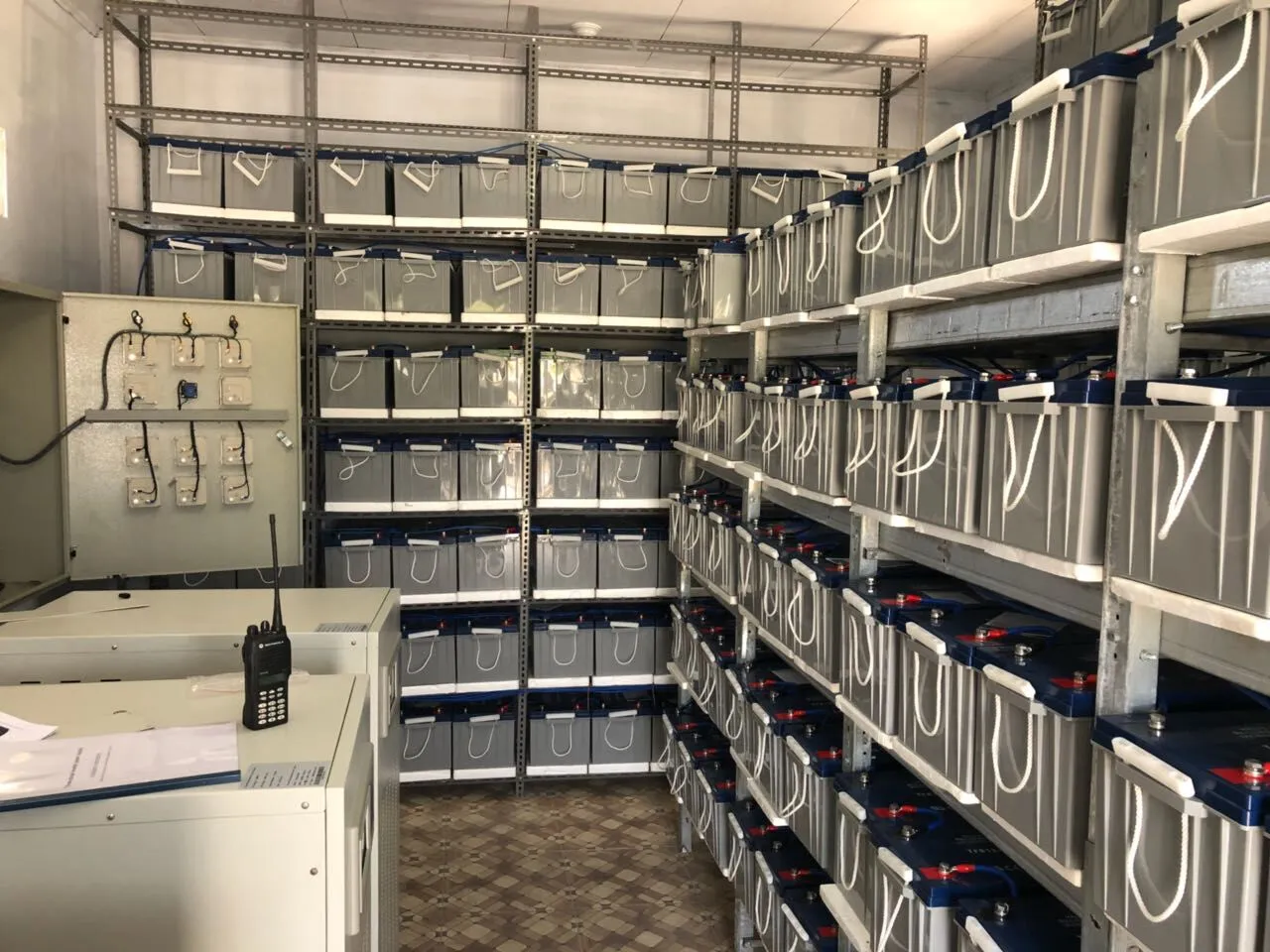
Understanding the physics reveals why results vary:
Ionic Reversal Process: When applying reverse polarity, positively charged sodium ions (Na+) migrate back toward the glass surface. The effectiveness depends on:
Field Strength = Applied Voltage / Panel Thickness
Most manufacturers apply 1000V, generating about 20V/μm field strength – sufficient to overcome electrochemical bonds but below dielectric breakdown thresholds (typically >30V/μm).
Critical Finding: Thin-film panels respond better than crystalline silicon (89% vs 77% average recovery) due to uniform thickness creating consistent field effects. Variations in silicon cell thickness explain performance differences between manufacturers.
Advanced systems now adjust treatment based on:
The most sophisticated units now achieve 97% recovery for moderate degradation cases – approaching new panel performance.
Maximizing PID repair success requires strategy:
| Implementation Factor | Poor Approach | Recommended Solution | Impact |
|---|---|---|---|
| Treatment Timing | Rainy season | Dry periods | +18% recovery efficiency |
| Cleaning Protocol | After repair | Before + after | Reduces re-degradation by 32% |
| Voltage Strategy | Fixed 1000V | Ramped + customized | Prevents microcrack formation |
| Retreatment Interval | Never (one-time) | Annual preventive | Maintains >92% recovery long-term |
PID repair works best when combined with:
This integrated approach can extend panel lifespan by 5-7 years according to NREL modeling.
Is PID repair economically justified? Consider:
A California solar farm with PID-afflicted panels calculated:
| Option | 1-Year Cost | 3-Year Performance | Net 5-Year Value |
|---|---|---|---|
| Panel Replacement | $240,000 | 98% efficiency | -$180,000 (loss) |
| PID Repair System | $82,500 | 91% efficiency | +$217,000 |
| No Action | $0 | 74% efficiency | -$410,000 |
The economics overwhelmingly favor repair over replacement. At utility scale, PID recovery can mean millions in recovered revenue.
The next generation of PID solutions is evolving:
Research in encapsulant polymers that release repair compounds when voltage anomalies occur. Early trials show 50% reduction in degradation rates.
Instead of constant voltage, high-frequency pulses create stronger electrokinetic effects. Laboratory tests demonstrate 100% PID reversal in some panels.
Game Changer: Nanocoatings that repel moisture while maintaining electrical insulation. Borrowing from ecological building wall panel technology, these surface treatments could prevent PID before it starts – the ultimate solution.
AI systems that learn site-specific degradation patterns and auto-adjust repair parameters. Pilot installations show 23% better longevity than standard repair protocols.
PID repair equipment delivers genuine performance recovery when properly implemented, with average efficiency gains of 25-30%. The technology has matured beyond laboratory concepts to become a practical O&M tool, but success depends on:
While not a permanent fix, PID repair extends panel life at 20-30% of replacement cost. As new panel efficiency growth slows (now <1%/year improvement), extracting maximum value from existing installations becomes increasingly vital. PID recovery will become standard practice in solar O&M – not because it makes panels new again, but because it keeps productive assets economically viable longer.
The future lies in prevention rather than cure: next-generation PID-resistant panels coupled with advanced monitoring will ultimately reduce dependence on repair. But for today's millions of installed panels vulnerable to this electrochemical degradation, PID repair equipment has proven its worth in field after field.
Recommend Products












