
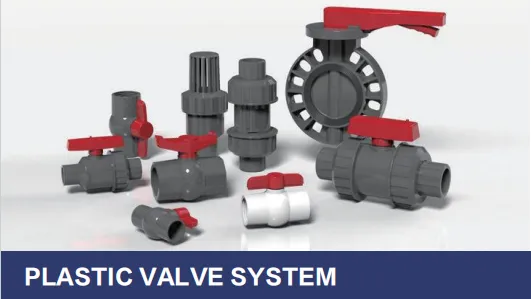
If you've ever overseen a construction project—whether it's a small residential building, a sprawling commercial complex, or a critical facility like a hospital or school—you know that the success of the entire endeavor hinges on the reliability of your supply chain. Among the many components that demand careful consideration, plastic valve systems and their accompanying piping solutions stand out as unsung heroes. These systems quietly power our daily lives: they channel water through our homes, manage waste in office buildings, and ensure safe fluid flow in industrial settings. But here's the truth: not all suppliers are created equal. A subpar plastic valve system supplier can turn a smooth project into a logistical nightmare, with leaks causing water damage, non-compliant materials triggering safety violations, and delayed deliveries pushing deadlines off track. So, how do you separate the reliable partners from the rest? Let's dive into the key factors that should guide your decision when choosing a plastic valve system solutions partner.
First things first: a top-tier plastic valve system supplier isn't just selling valves—they're offering a deep understanding of how these components fit into the larger ecosystem of building materials. The best partners come with years of experience across sectors, from residential plumbing to high-pressure industrial applications. They should be able to speak your language, whether you're discussing the nuances of a hospital's water distribution system or the demands of a commercial high-rise's waste management setup.
But expertise alone isn't enough. Look for a supplier with a product range that extends beyond valves to include complementary solutions. For example, a supplier that also offers PVC DWV pipes (drain-waste-vent systems) or PPR pipe and fittings can act as a one-stop shop, simplifying your procurement process. Imagine coordinating with five different vendors for pipes, valves, and fittings versus a single partner who can deliver everything you need under one roof. The time saved on communication, ordering, and logistics is invaluable. This is where terms like "upvc pipe supplier" or "ppr pipe and fitting supplier" become more than just keywords—they represent a supplier's ability to support your project from start to finish.
Consider this scenario: You're managing a school renovation, and the plumbing plan requires a mix of high-pressure CPVC pipes for the main water line and flexible PPR fittings for areas with limited space. A supplier with a narrow focus might only offer valves, leaving you to source pipes and fittings elsewhere. But a partner with a broad product range—one that can also answer questions about CPVC SCH80 high pressure piping system specifications—will not only save you time but also ensure compatibility between components. After all, a valve is only as good as the pipe it's connected to.
When it comes to plastic valve systems, "good enough" is never good enough. These components are responsible for preventing leaks, maintaining pressure, and ensuring the safety of everyone who uses the building. A single faulty valve in a hospital's plumbing system could lead to contamination, while a substandard pipe in a high-rise could burst under pressure, causing extensive damage. That's why quality assurance should be non-negotiable.
Start by asking about certifications. Reputable suppliers will readily share credentials like ASTM D2846 compliance for CPVC pipes, DIN standard PN10 ratings for PVC fittings, or ISO 9001 certification for their manufacturing processes. For specialized applications—say, a chemical plant requiring high-pressure piping—look for suppliers who specifically highlight their expertise with systems like CPVC SCH80. A CPVC SCH80 high pressure piping system supplier worth their salt will not only have the certifications but can explain why those standards matter. For example, SCH80 designation indicates a thicker wall, making the pipe suitable for higher pressure environments—critical in settings where failure could have catastrophic consequences.
Don't be afraid to dig deeper. Ask about testing protocols: Do they conduct pressure tests on every batch of valves? How do they ensure consistency in material composition? A supplier that skimps on quality control might offer lower prices upfront, but the cost of repairs, replacements, and project delays will far outweigh those savings. Think of it this way: Would you trust a valve in a children's school that hasn't been tested to withstand extreme temperatures or chemical exposure? Probably not—and neither should your supplier.
No two projects are identical. A residential building might need standard PVC DWV pipes for waste management, while a research lab could require specialized valves resistant to corrosive chemicals. This is where a supplier's ability to offer technical support and customization becomes a game-changer. A true partner won't just take your order—they'll work with you to find the right solution for your specific challenges.
Let's say you're working on a green building project that aims for LEED certification. You need PPR pipes that are both durable and made from recycled materials. A knowledgeable PPR pipe and fitting supplier should be able to guide you toward eco-friendly options, explain the recycled content percentage, and even provide documentation to support your LEED application. Or consider a scenario where your project has unusual space constraints: a narrow utility closet that requires a compact valve design. A supplier with in-house engineering support can customize valve dimensions or recommend alternative configurations to fit the space, saving you from costly redesigns.
Technical support also extends to installation guidance. Even the best products can fail if installed incorrectly. Look for suppliers who offer resources like installation manuals, video tutorials, or on-site training for your team. Some might even provide access to technical consultants who can answer questions in real time—whether you're troubleshooting a leak during a late-night construction push or verifying pressure ratings before finalizing the order. This level of support transforms a supplier into a collaborator, ensuring your project runs smoothly from blueprint to completion.
In construction, time is money. A delay in receiving plastic valves or PVC DWV pipes can bring an entire project to a halt, leaving workers idle and deadlines slipping. That's why supply chain reliability is a critical factor when evaluating potential partners. A trustworthy supplier should have a proven track record of delivering on time, even during peak demand or unexpected disruptions.
Start by asking about lead times. How long does it take for a standard order to ship? What about rush orders? A supplier with a well-managed inventory system—one that keeps common products like UPVC pipes and basic valves in stock—can often deliver within days, not weeks. For custom or specialized items, they should be transparent about timelines and proactive about communicating delays. For example, if a shipment of CPVC SCH80 pipes is held up at the port, a reliable supplier will notify you immediately and offer alternatives, like sourcing from a backup warehouse, to minimize downtime.
It's also worth exploring their distribution network. Do they have multiple warehouses across regions, or are they reliant on a single facility? A supplier with a decentralized network is better equipped to handle local disruptions—like a storm blocking a highway—and can reroute shipments to keep your project on track. During the height of the pandemic, many industries learned the hard way that supply chains are (fragile), but suppliers with robust contingency plans were the ones that kept projects moving. Don't wait for a crisis to test your supplier's reliability—ask about their backup plans now.
Today's construction projects aren't just about functionality—they're about responsibility. More and more clients, from homeowners to corporate developers, are prioritizing sustainability, and your choice of plastic valve system supplier can play a big role in meeting those goals. A forward-thinking partner will have sustainability practices woven into their business model, from eco-friendly manufacturing processes to recyclable product lines.
For example, consider a PVC DWV pipe supplier that uses recycled plastic resin in their production. Not only does this reduce reliance on virgin materials, but it also keeps plastic waste out of landfills. Some suppliers go a step further, investing in energy-efficient manufacturing plants or offsetting carbon emissions from shipping. Others design products with longevity in mind—valves and pipes that last longer, reducing the need for frequent replacements and the associated waste.
Sustainability isn't just good for the planet—it's good for your bottom line. Green building certifications like LEED or BREEAM can increase a property's value and attract eco-conscious tenants. By partnering with a supplier that prioritizes sustainability, you'll have an easier time meeting these certification requirements and marketing your project as environmentally responsible. Plus, many sustainable products are designed to be more efficient: low-friction pipes that reduce water pressure loss, for example, can lower utility costs over time. It's a win-win.
A great supplier relationship doesn't end when the product ships. The best partners offer ongoing customer service that makes you feel supported long after the invoice is paid. This includes everything from responsive communication to hassle-free warranty claims and access to replacement parts.
Imagine this: Six months after your project is completed, a valve in the commercial kitchen starts leaking. You call the supplier, and instead of being passed around a call center, you're connected to a dedicated account manager who remembers your project details. They send a replacement valve overnight and even follow up to ensure it's installed correctly. That's the kind of service that builds loyalty. On the flip side, a supplier that ignores your calls or blames you for the issue will leave you scrambling to fix the problem on your own, damaging your reputation with the client.
Warranty policies are another indicator of a supplier's commitment to customer service. Look for clear, comprehensive warranties that cover defects in materials and workmanship. Some suppliers might even offer extended warranties for large projects, giving you peace of mind for years to come. And don't overlook the little things: a supplier who provides detailed product labels, batch codes for traceability, or easy-to-access order histories shows they care about your experience, not just the sale.
Choosing a plastic valve system solutions partner is more than a transaction—it's an investment in the success of your project. The right partner will bring industry expertise, a comprehensive product range, and a commitment to quality that ensures your systems are safe, reliable, and built to last. They'll stand by you through technical challenges, deliver on time when deadlines are tight, and support you long after the final valve is installed.
As you evaluate potential suppliers, remember to look beyond the price tag. Consider factors like certifications, supply chain reliability, sustainability practices, and customer service. Ask tough questions, request references, and trust your instincts—if a supplier seems evasive about their processes or hesitant to offer support, it's a red flag.
At the end of the day, the best plastic valve system supplier is the one that makes your job easier. They'll anticipate your needs, solve problems before they arise, and become a valuable extension of your team. In a industry where success depends on precision and reliability, this kind of partnership isn't just nice to have—it's essential. So take the time to find the right fit. Your project, your team, and your clients will thank you.
Recommend Products












