
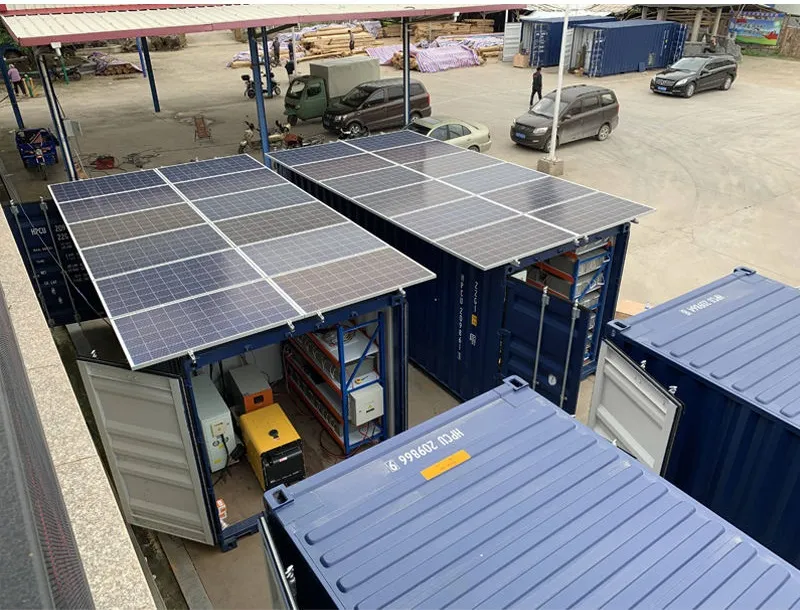
Hey solar enthusiasts! Ever wonder why some solar panels fly off European shelves while others gather dust? It all boils down to one magic acronym: CE certification. Imagine this badge as your panel’s VIP pass to Europe’s booming solar marketplace. Without it? You’re stuck outside looking in.
Here’s the real talk—Europe isn’t just picky; it’s laser-focused on safety and performance. That’s where EN standards come into play. Think of them as the rulebook for how solar products should behave in EU territory. Skip these, and you’re not just risking fines; you’re missing out on commercial and industrial solar energy opportunities growing like wildflowers across Germany, Spain, and beyond.
Today, we’re slicing through the jargon and laying out your action plan. We’ll explore:
No fluff, no corporate speak—just street-smart advice to turn those certification headaches into your competitive edge.
Picture this: French homeowners spot your slick new panels online. They’re ready to buy... until they notice something missing. That little "CE" mark? Yeah—that’s a dealbreaker.
CE isn’t just bureaucracy—it’s Europe’s quality checkpoint. Local authorities see it as proof your panels:
Remember the 2023 solar scandal in Belgium? Panels without proper CE certification short-circuited in commercial warehouses, causing €2M+ in damages. After that, regulators turned the screws—now they spot-check imports like detectives.
| With CE Marking | Without CE Marking | |
|---|---|---|
| Market Access | All 27 EU countries | Customs blockade |
| Retail Partnerships | Leroy Merlin, Bauhaus | Gray-market resellers |
| Pricing Power | Premium rates | Race to the bottom |
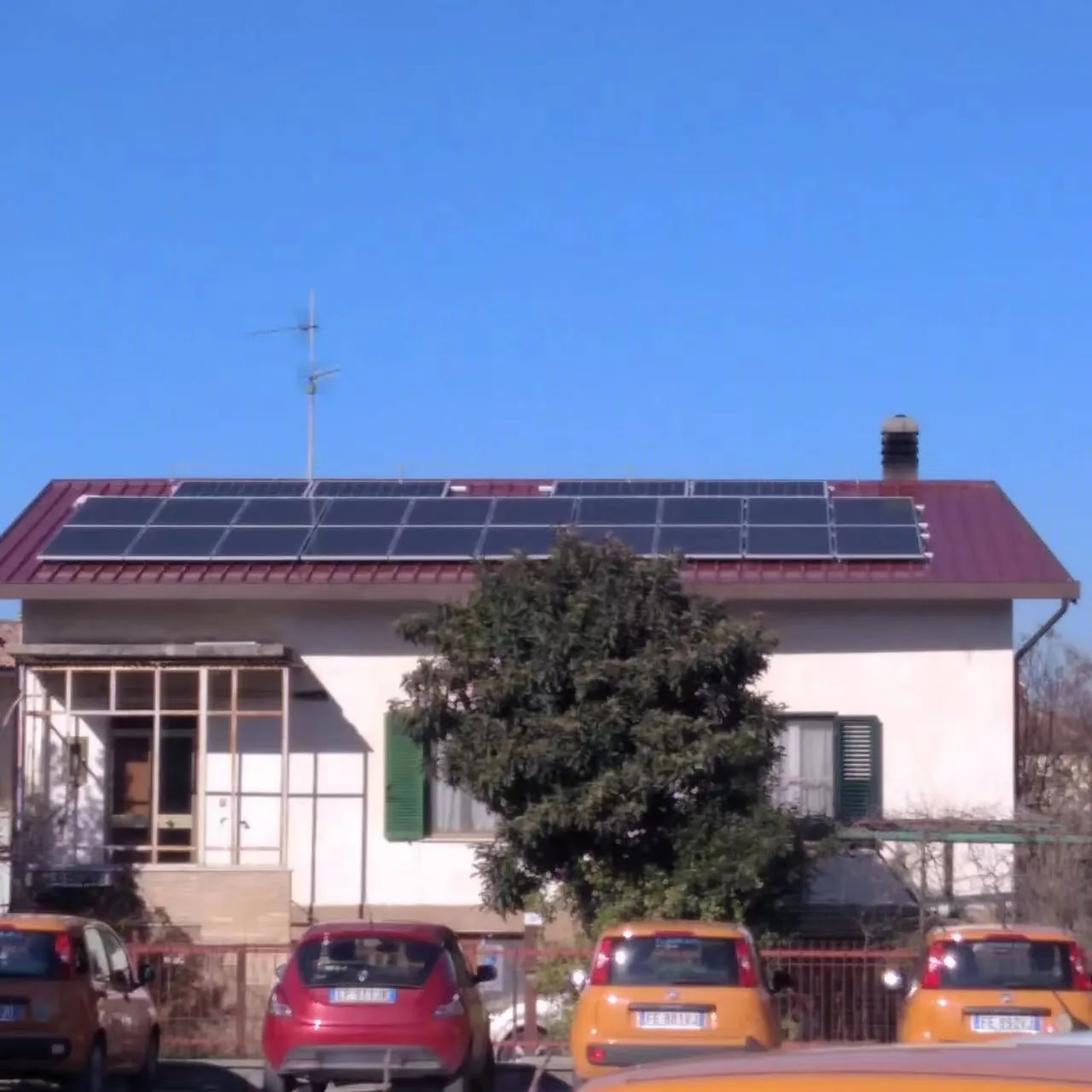
Ever feel like EN standards sound like alphabet soup? EN 61215. EN 61730-1. EN 62109. Let’s translate:
Think boot camp for panels. Your modules get:
Prevents your panels from becoming firestarters:
Ensures real-world reliability:
A German manufacturer learned this hard way—they skipped EN 62109 validation on their bifacial panels. When inverters malfunctioned during partial shading, they faced €400K in warranty claims. Lesson? EN standards aren’t checkboxes; they’re insurance policies.
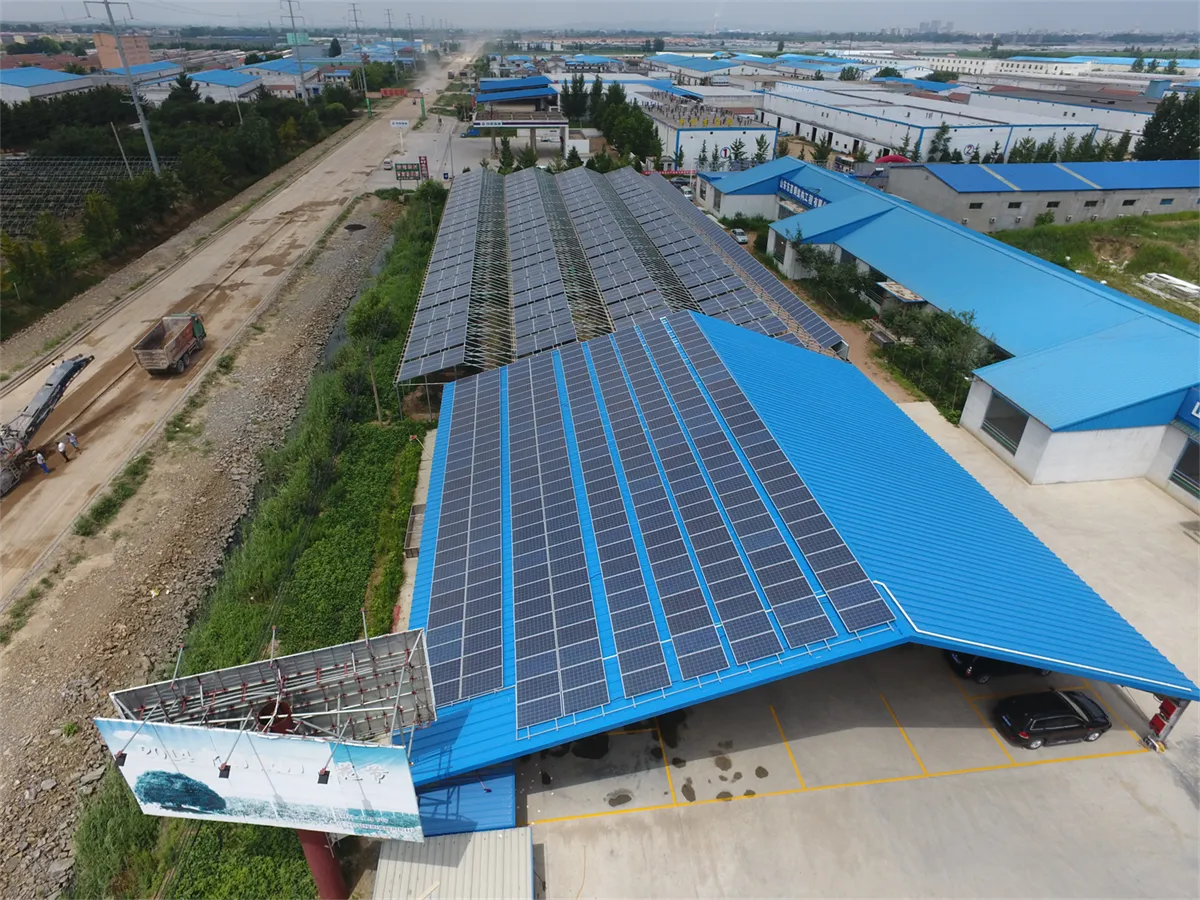
Ready to dive in? Here’s your battle-tested game plan:
Test smart: Choose labs strategically. Fraunhofer ISE in Germany specializes in thermal cycling. CEI in Italy nails humidity tests. Run "preview tests" on 3 modules before full batches.
Paperwork hacks:
Audit-proof your factory:
Result? Certified during Europe’s 2022 energy crunch and landed Carrefour contracts at 22% margin premiums.
Warning: CE certification isn’t "set and forget." Meet Javier—his Portuguese factory got certified then relaxed audits. Big mistake.
After 18 months, changes sneaked in:
Dutch customs pulled samples during a random check. Failed EN 61215 damp heat tests. Panels rejected. €120K fine.
| Change Type | Action Required | Risk if Ignored |
|---|---|---|
| Material Swap | Partial retesting at lab | Delamination warranty claims |
| Process Tweak | Document revision + notify body | Audit nonconformities |
| New Accessories | Full system validation | Field failures like Javier’s |
CE certification might seem like a mountain of paperwork—but climb it right, and Europe’s solar goldmine opens up. Remember:
Your move? Partner with labs early. Bake EN requirements into your R&D. Treat certification not as a cost, but as your ticket to Europe’s high-margin solar buffet.
Now—go show Europe how bright your panels shine.
Recommend Products












