
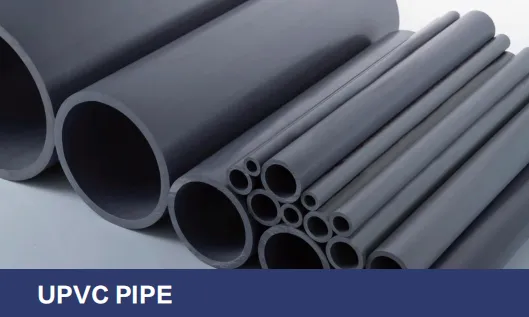
Walk into any hardware store or chat with a contractor about home renovations, and you'll quickly realize that the world of piping comes with its own language. Terms like "DWV," "SCH40," and "PN10" get thrown around like second nature, leaving many homeowners and even new industry professionals scratching their heads. But here's the thing: understanding these terms isn't just about sounding knowledgeable—it's about making sure you're choosing the right products for your project. Whether you're upgrading your home's plumbing, working on a commercial building, or sourcing materials for a large-scale construction job, knowing the ins and outs of UPVC pipe terminology can save you time, money, and headaches down the line. In this guide, we'll break down the essential terms you need to know, explain how they apply to real-world scenarios, and help you feel confident when talking to an upvc pipe supplier or evaluating upvc pipe solutions. Let's dive in.
Before we get into the terminology, let's start with the basics: What exactly is UPVC? Short for "unplasticized polyvinyl chloride," UPVC is a rigid, durable plastic material used to make pipes, fittings, and other construction components. Unlike regular PVC (polyvinyl chloride), which often contains plasticizers to make it flexible, UPVC skips the plasticizers, resulting in a stiffer, more heat-resistant product. This lack of plasticizers also makes UPVC more chemically stable, resistant to corrosion, and less likely to degrade over time—qualities that have made it a go-to choice for plumbing, drainage, and industrial applications worldwide. Think of it as the tough, no-nonsense cousin of regular PVC: it doesn't bend easily, but it can handle high pressure, harsh chemicals, and extreme temperatures without breaking a sweat. Now that we know what UPVC is, let's unpack the terms that define its performance, applications, and compatibility.
Whether you're reading a product spec sheet, chatting with a pvc dwv pipe supplier, or comparing quotes from different vendors, these terms will pop up again and again. Let's break them down in plain English.
DWV (Drain, Waste, Vent)
If you've ever heard someone mention "DWV pipes," they're talking about a specific category of plumbing pipes designed for non-pressurized systems. The acronym stands for "Drain, Waste, Vent," and these pipes are responsible for carrying wastewater away from sinks, showers, toilets, and appliances (that's the "drain" and "waste" part) while also allowing air to enter the system to prevent suction and ensure smooth flow (the "vent" part). Unlike pressure pipes, which need to withstand water being pushed through them (like in your home's water supply lines), DWV pipes operate under gravity, so they don't require the same thickness or pressure resistance. However, they do need to be smooth on the inside to prevent clogs and durable enough to handle the corrosive nature of wastewater. When you work with a pvc dwv pipe supplier, they'll likely highlight features like a smooth inner surface, leak-proof joints, and compatibility with solvent cement for easy installation—all key for effective DWV systems.
SCH40 and SCH80 (Schedule Ratings)
Walk into a pipe supplier's warehouse, and you'll notice that pipes come in different "schedules"—most commonly SCH40 and SCH80. These numbers refer to the pipe's wall thickness, which directly impacts its pressure-bearing capacity. SCH40 is the standard schedule for most residential and light commercial applications. It's thick enough to handle typical water pressure (think household plumbing or small irrigation systems) without being overly heavy or expensive. SCH80, on the other hand, has a thicker wall, making it suitable for higher-pressure environments, like industrial settings or commercial buildings where water is pumped at greater force. For example, a pvc-u sch40 pressure piping system supplier might recommend SCH40 for a residential water line, while SCH80 would be better for a factory that needs to transport water under high pressure. Remember: the higher the schedule number, the thicker the wall, and the more pressure the pipe can handle.
Pressure Rating (PN Rating)
While schedule ratings tell you about wall thickness, pressure ratings (often called "PN ratings," short for "Pressure Nominal") tell you how much internal pressure a pipe can safely withstand. PN ratings are measured in bars (1 bar = roughly 14.5 psi) and are determined by the pipe's material, wall thickness, and temperature. For example, a pipe with a PN10 rating can handle 10 bars of pressure at 20°C (68°F), while a PN16 can handle 16 bars. This is crucial when selecting pipes for pressurized systems like water supply lines or irrigation. An upvc pipe supplier will typically list the PN rating alongside the schedule, so you can ensure the pipe matches the pressure requirements of your project. Pro tip: If you're unsure, ask the supplier to explain how temperature affects the pressure rating—higher temperatures can reduce a pipe's pressure capacity, so a PN10 pipe might only handle 8 bars at 60°C (140°F), for example.
Fittings
Pipes alone can't do the job—they need fittings to connect, turn, and adapt to different parts of a system. Fittings are the unsung heroes of plumbing, and understanding the basics will help you avoid mismatched components. Common UPVC fittings include elbows (for turning corners), tees (for splitting a pipe into two directions), couplings (for joining two straight pipes), reducers (for connecting pipes of different sizes), and caps (for sealing the end of a pipe). When evaluating upvc pipe solutions, it's important to ensure the fittings are compatible with the pipes—both in terms of size and material. A reputable supplier will offer a full range of fittings to match their pipes, so you don't have to mix and match brands (which can lead to leaks or weak points). For example, if you're using SCH40 pipes, the fittings should also be SCH40 to maintain consistent pressure resistance.
ASTM and DIN Standards
When shopping for UPVC pipes, you'll often see references to standards like ASTM D2846 or DIN PN10. These are not just random codes—they're quality assurance stamps from organizations that set industry benchmarks. ASTM International (formerly the American Society for Testing and Materials) develops standards for materials, products, and systems, ensuring they meet safety and performance criteria. For example, ASTM D2846 specifically covers CPVC (chlorinated polyvinyl chloride) pipes, but many UPVC products reference similar ASTM standards for dimensions, pressure ratings, and material composition. DIN (Deutsches Institut für Normung) is a German standards organization, and DIN PN10 refers to a pressure rating standard used in Europe and other parts of the world. Why does this matter? Choosing pipes that meet these standards ensures they've been tested and certified to perform as claimed. A trustworthy upvc pipe supplier will proudly display these certifications, giving you peace of mind that you're getting a reliable product.
Now that we know the key terms, let's zoom in on the two main types of UPVC pipes you'll encounter: DWV pipes and pressure pipes. While both are made from UPVC, they're designed for very different jobs—and mixing them up is a common mistake that can lead to system failures.
DWV Pipes: As we discussed earlier, DWV pipes are for non-pressurized systems. They're lightweight, have a smooth inner surface to prevent clogs, and are typically white or gray in color (though colors can vary by manufacturer). Because they don't need to handle high pressure, their walls are thinner than pressure pipes, making them easier to cut and install. Common sizes range from 1.5 inches (for small drains, like a bathroom sink) to 6 inches or more (for main sewer lines). When working with a pvc dwv pipe supplier, you'll want to ask about features like "belled ends" (which allow for easy connection with solvent cement) and "venting compatibility" (to ensure the pipe works with the venting system in your building). DWV pipes are also resistant to the chemicals found in wastewater, like detergents and cleaning agents, which is why they're a staple in residential and commercial plumbing.
Pressure Pipes: Unlike DWV pipes, pressure pipes are built to handle water (or other fluids) being pushed through them under force. They're used in water supply lines, irrigation systems, and industrial applications where fluid needs to be transported over long distances or to upper floors of buildings. Pressure pipes have thicker walls than DWV pipes (often SCH40 or SCH80) and higher pressure ratings (PN10, PN16, etc.). They're also available in a wider range of sizes, from small ½-inch pipes for residential water lines to large diameter pipes for municipal water distribution. When evaluating pressure pipes from an upvc pipe supplier, pay attention to the material's "tensile strength" (how much force it can withstand before breaking) and "impact resistance" (how well it holds up to drops or bumps during installation). These factors are critical for ensuring the pipe doesn't burst under pressure or fail in cold weather.
UPVC isn't the only player in the piping game. Other materials like PPR (polypropylene random copolymer), PVC-U (which is actually the same as UPVC—more on that later), and even metal pipes compete for market share. So when should you choose UPVC over the alternatives? Let's compare UPVC to two common rivals: PPR and PVC DWV.
| Feature | UPVC (Pressure Pipes) | PPR (Polypropylene Random Copolymer) | PVC DWV (Non-Pressure Pipes) |
|---|---|---|---|
| Material | Unplasticized PVC (rigid, no plasticizers) | Polypropylene (flexible, heat-resistant) | PVC with plasticizers (semi-rigid, for non-pressure use) |
| Pressure Rating | High (PN10-PN25, SCH40/SCH80) | Moderate to high (depends on temperature; lower at higher temps) | Low (gravity-fed only) |
| Temperature Resistance | Good (up to 60°C/140°F; may soften above that) | Excellent (up to 95°C/203°F; ideal for hot water) | Limited (best for cold water only) |
| Common Applications | Water supply, irrigation, industrial piping | Hot/cold water lines, radiant heating | Drains, waste, vents (sinks, showers, toilets) |
| Installation | Solvent cement (permanent, rigid connections) | Heat fusion (permanent, leak-proof joints) | Solvent cement (similar to UPVC, but lighter) |
| Supplier Example | upvc pipe supplier | ppr pipe and fitting supplier | pvc dwv pipe supplier |
UPVC vs. PPR: PPR pipes are popular for hot water systems because they can handle higher temperatures than UPVC. They're also more flexible, making them easier to install in tight spaces. However, UPVC has a few advantages: it's more chemically resistant (making it better for industrial applications with harsh fluids), less expensive, and available in higher pressure ratings. If your project involves cold water or chemical transport, UPVC is likely the better choice. If you need hot water lines, a ppr pipe and fitting supplier might be the way to go.
UPVC vs. PVC DWV: This is a common point of confusion. PVC DWV pipes are made with plasticizers to make them more flexible, which is fine for gravity-fed systems but makes them unsuitable for pressure. UPVC (or PVC-U) has no plasticizers, so it's rigid and pressure-resistant. In short: if you need a pipe for drainage, call a pvc dwv pipe supplier. If you need one for water supply, go with an upvc pipe supplier.
UPVC's versatility has made it a favorite in countless industries. Let's look at some common applications where UPVC pipe solutions excel, and how the terminology we've covered comes into play.
Residential Plumbing: In most homes, UPVC pipes handle both water supply (pressure pipes) and drainage (DWV pipes). For example, the pipes that bring cold water to your kitchen faucet are likely SCH40 UPVC with a PN10 rating, while the pipes that carry wastewater from your shower to the sewer are PVC DWV. A homeowner working with an upvc pipe supplier might need to specify the pipe size (e.g., ¾ inch for a kitchen line) and schedule (SCH40) to ensure it matches their home's water pressure.
Commercial Buildings: Office buildings, hotels, and malls rely on UPVC for everything from HVAC condensate lines to fire sprinkler systems. In these settings, higher pressure ratings (PN16) and thicker schedules (SCH80) are common, as the systems need to serve multiple floors and hundreds of users. A commercial contractor might work with an upvc pipe supplier to source large-diameter pressure pipes for the building's main water line, ensuring they meet local building codes for pressure and durability.
Industrial Settings: Factories, chemical plants, and wastewater treatment facilities love UPVC for its chemical resistance. Pipes carrying acids, alkalis, or corrosive wastewater need to withstand harsh conditions, and UPVC's stability makes it ideal. Here, DIN standards (like DIN PN10) might be more common than ASTM, depending on the region, so the supplier must ensure compliance with local industrial regulations.
Agriculture: Irrigation systems often use UPVC pressure pipes to transport water from wells or reservoirs to fields. These pipes need to handle the pressure of pumps while resisting UV radiation (since they're often installed outdoors). An upvc pipe supplier catering to agriculture might offer pipes with UV stabilizers and higher PN ratings to ensure they hold up in sunny, high-pressure environments.
Now that you know the terminology and applications, how do you choose a supplier you can trust? Not all upvc pipe suppliers are created equal, and working with the wrong one can lead to subpar products, missed deadlines, or costly mistakes. Here are key factors to consider:
Certifications and Standards: A reputable supplier will have products certified by organizations like ASTM, DIN, or ISO. These certifications prove the pipes have been tested for quality, pressure resistance, and safety. Don't be afraid to ask for copies of certifications—any trustworthy supplier will be happy to provide them.
Product Range: Look for a supplier that offers a wide range of UPVC products, including both pressure pipes and DWV pipes, as well as compatible fittings. This way, you can source all your materials from one place, reducing the risk of mismatched components. For example, if you need both SCH40 pressure pipes and DWV pipes for a project, an upvc pipe supplier that also acts as a pvc dwv pipe supplier simplifies the process.
Technical Support: Even if you're familiar with UPVC terminology, projects can throw curveballs. A good supplier will have a team of technical experts who can help you select the right pipe size, schedule, or pressure rating for your specific needs. They should also be able to answer questions about installation, compatibility, or code compliance.
Reputation and Reviews: Do your homework. Check online reviews, ask for references, or talk to other contractors in your industry. A supplier with a history of on-time deliveries, consistent quality, and responsive customer service is worth their weight in gold.
Customization Options: Some projects require non-standard sizes or special features (like UV protection or custom colors). If your project is unique, look for a supplier that offers customization to ensure you get exactly what you need.
Even with the right terminology and a great supplier, UPVC pipes can run into issues if not installed or maintained properly. Here are some common problems and how to prevent them:
Clogs in DWV Pipes: DWV pipes rely on smooth flow, so clogs often occur when debris (like hair, food scraps, or toilet paper) builds up. To avoid this, ensure the pipe has a proper slope (¼ inch per foot is standard) to keep water flowing, and use strainers in sinks and showers to catch debris. A pvc dwv pipe supplier might also recommend pipes with a larger diameter for high-traffic areas (like commercial restrooms) to reduce clogging risk.
Leaks at Fittings: Leaks are often caused by improper installation—either using the wrong solvent cement, not cleaning the pipe ends before joining, or not letting the cement dry long enough. Always follow the supplier's installation guidelines, and use fittings from the same manufacturer as the pipes to ensure a tight seal.
UV Degradation: While UPVC is resistant to many things, prolonged exposure to sunlight can cause it to become brittle over time. If pipes are installed outdoors, look for ones with UV stabilizers (your upvc pipe supplier should offer these) or cover them with insulation or sleeves to protect against the sun.
Freezing and Cracking: UPVC is rigid, so if water inside the pipe freezes and expands, it can crack. This is more common in cold climates or unheated spaces like crawl spaces. To prevent freezing, insulate pipes, or use heat tape in vulnerable areas. If you live in a very cold region, ask your supplier about pipes with thicker walls (SCH80) for added durability.
As construction practices evolve, so do UPVC pipe solutions. Manufacturers are constantly innovating to make UPVC more sustainable, efficient, and versatile. One trend is the development of "green" UPVC pipes made with recycled materials, reducing the environmental impact of production. Another is the integration of smart technology, like pipes with built-in sensors that detect leaks or pressure drops, allowing for proactive maintenance. Additionally, advancements in manufacturing are leading to thinner-walled pipes with the same pressure resistance, making them lighter and easier to transport. As these innovations continue, understanding the terminology will remain key to adopting new technologies and making informed choices.
At the end of the day, understanding UPVC pipe terminology isn't just about impressing suppliers or contractors—it's about taking control of your project. Whether you're a homeowner tackling a DIY plumbing fix, a contractor sourcing materials for a commercial build, or an industrial buyer comparing ppr pipe and fitting suppliers to upvc pipe suppliers, knowing terms like DWV, SCH40, and PN10 helps you ask the right questions, avoid costly mistakes, and ensure you're getting the best possible product for your needs. So the next time you talk to an upvc pipe supplier or review a spec sheet, you'll do so with confidence. After all, knowledge is power—and in the world of construction, that power translates to better, safer, and more efficient projects.
Recommend Products












