


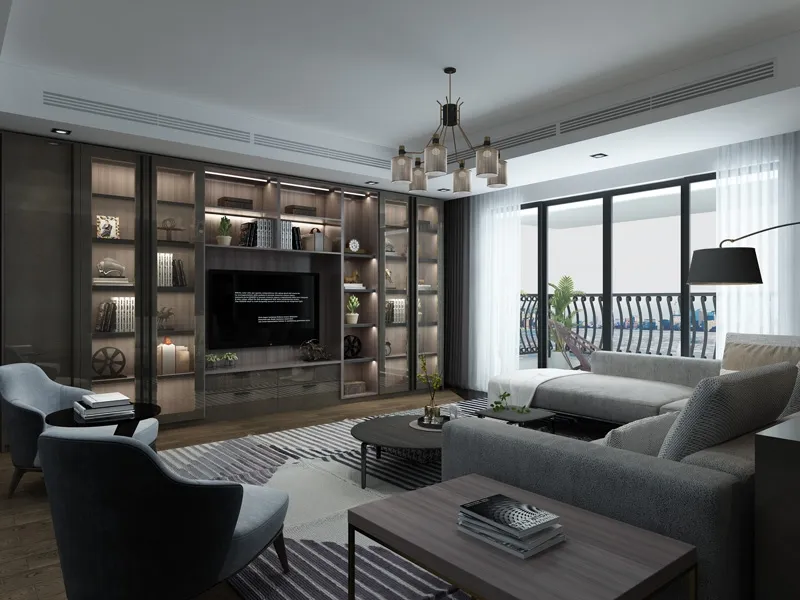
Picture this: You've finally created your dream backyard oasis – comfy seating, ambient lighting, maybe even an outdoor kitchen. But when movie night rolls around, you're hauling your flatscreen outside, worrying about dew ruining electronics. That's where weatherproof TV cabinets step in as unsung heroes of outdoor living. These specialized units do more than just house your entertainment system; they're your first defense against rain, sun, and temperature swings.
Today, we're breaking down exactly what makes these cabinets stand up to Mother Nature’s mood swings. Forget jargon-heavy technical manuals – we're talking real-world performance, material science even your neighbor could explain, and why polyurethane wall panels might just be your patio’s new best friend.
Why Outdoor TV Enclosures Are Non-Negotiable
Let’s cut through the hype: Outdoor TVs exist, but they’ll cost you triple a regular screen. For most of us, protecting standard electronics outdoors isn't optional – it's essential survival. One unexpected thunderstorm or heavy fog can fry circuitry faster than you can say "refund policy."
The Humidity Factor
Moisture doesn’t just rust metal – it warps wood, delaminates particle board, and breeds mold behind closed doors. Proper weatherproofing handles Florida swamp-air as smoothly as desert dryness.
UV Radiation Damage
Sunshine fades finishes and weakens plastics annually. Your cabinet should guard against UV rays better than premium sunscreen does for your skin.
Thermal Expansion
Materials that contract in winter cold and expand in summer heat? That’s how gaps form and seals fail. The magic happens when engineering anticipates movement.
Material Showdown: What Actually Works Outdoors
Stainless Steel Cabinets
Pros:
Unmatched corrosion resistance, naturally fire-resistant, handles heavy mounts easily.
Cons:
Premium pricing, shows fingerprints readily, needs anti-glare treatment for sunny patios.
Best for:
Coastal homes where salt spray dominates, high-traffic commercial settings.
Marine-Grade Polymer
Pros:
Won’t rust, dent, or fade; lightweight but surprisingly strong.
Cons:
Limited high-end finishes, some look "plasticky" in upscale settings.
Best for:
Modern homes prioritizing low-maintenance longevity over traditional wood aesthetics.
Polyurethane & Composite Panels
Pros:
Mimics wood grain authentically, seamless moisture protection, resists warping.
Cons:
Can’t bear extreme weight loads without reinforcement.
Best for:
Blending with decking; humid zones needing wood-look without rot risk.
Pro Tip:
Look for integrated insulation for temperature control.
Designing Beyond Durability
Function matters, but so does fitting your lifestyle. We’ve all seen that eyesore cabinet that screams "garage sale reject." Smart designs integrate while offering practical perks:
- Hidden Wiring Systems: Integrated conduits keep cords invisible and protected from critters
- Automated Ventilation: Temperature-triggered fans that only kick on when needed
- Security Features: Heavy-duty locks that work with smart home systems
- Screen Angles: Adjustable mounts countering glare from pool reflections
Installation Wisdom
Ever noticed how store displays never show uneven ground? Three crucial setup secrets:
- Always elevate cabinets 3+ inches above patio surfaces
- Diagonal roof designs shed water better than flat tops
- Pressure-test seals annually before rainy season hits
Maintenance Without Madness
Here’s the beautiful truth: Top-tier cabinets need less care than your barbecue grill. Follow this easy rhythm:
Weekly Wipes
Microfiber cloth + water cleans most surfaces. Skip harsh chemicals – they degrade protective coatings over time.
Seasonal Checks
Spring/Fall inspections catch seal wear before leaks start. Test fan function during temperature extremes.
Snow Prep
In cold climates, remove panels if unused for months. Trapped moisture expands when freezing.
Future-Proofing Outdoor Entertainment
The tech world moves fast. Future-ready cabinets accommodate changes:
- Expandable Depth: Next-gen receivers need deeper space than today’s models
- Smart Home Integration: Pre-wiring for motorized doors or climate sensors
- Upgradeable Ventilation: Swap fans without replacing entire units
- Cable Channels: Dedicated paths for new streaming device cords
Remember when DVD players felt futuristic? Design for what’s next, not just current needs.










