
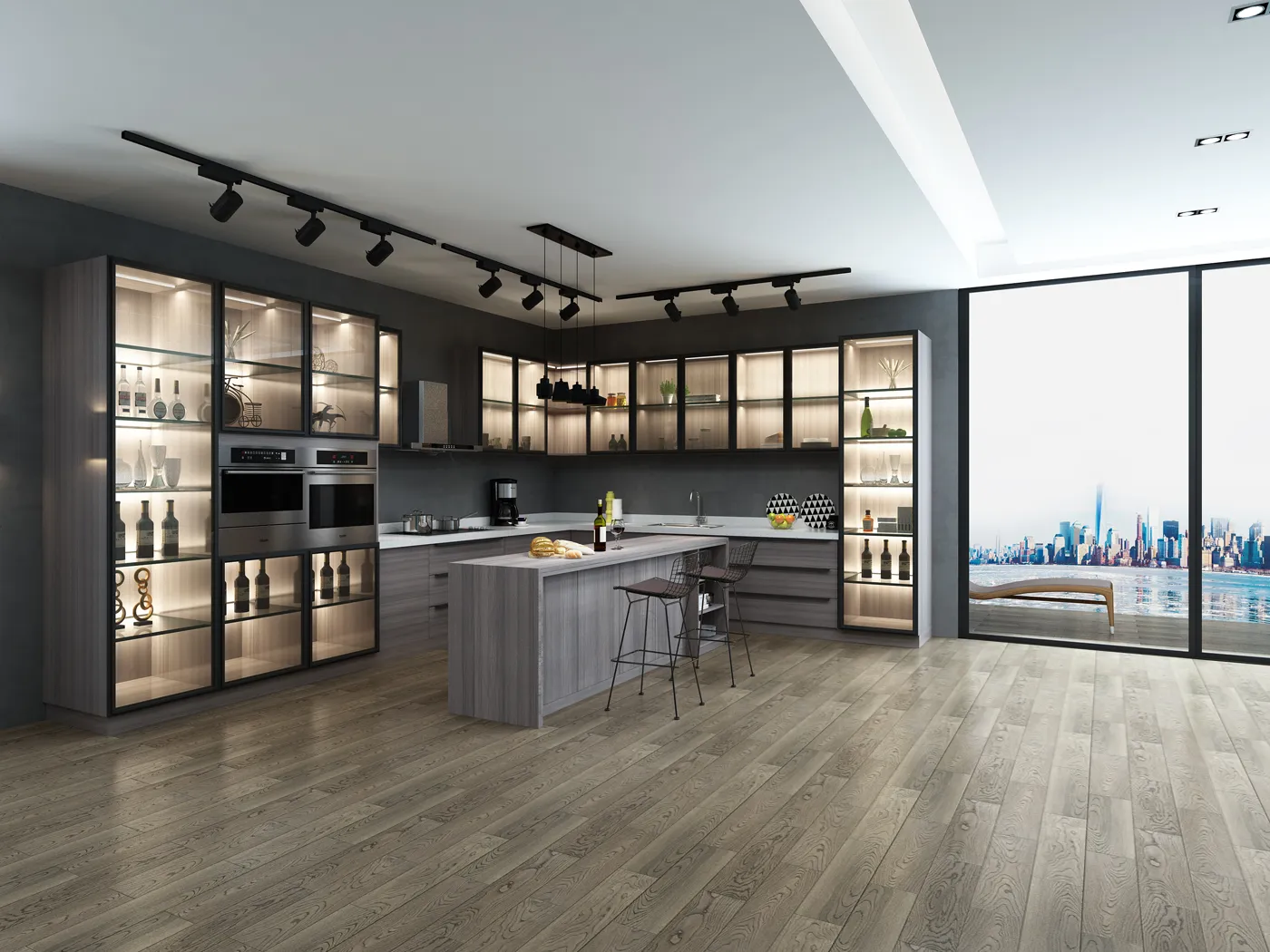
We used to choose kitchen cabinets by color and handles. Now we're asking what forests they remember, what air they breathe, and what future they're building.
The once-humble kitchen cabinet is undergoing an environmental metamorphosis. Forget sterile showrooms – picture instead sawmills bathed in morning light where reclaimed wood whispers stories of century-old barns. Imagine adhesives that smell like citrus instead of chemical nightmares. This is where sustainability gets practical, personal, and deliciously tactile.
"When we started cabinet making in '98, sustainability meant not wasting too much wood," says Maria Rodriguez, VP of Design at EcoCabinetry. "Today? We're carbon accountants, materials librarians, and indoor air quality guardians wrapped in one."
The EPA's Powering the Great American Comeback initiative finds perfect expression here. As they champion restoring economic greatness while protecting human health, cabinet makers are answering with innovations that transform kitchens from toxin traps to environmental sanctuaries. Every hinge, panel, and finish tells an ecological story.
What we build with has become an ethical choice:
Reclaimed timber isn't just rustic chic – it's climate activism. Old-growth wood sequesters carbon for centuries. Urban Wood Rescue programs now divert fallen city trees from landfills to cabinet faces. That maple countertop? Could be a storm-felled park sentinel reborn.
62% of manufacturers now offer FSC-certified wood optionsFast-growing alternatives are revolutionizing carcass construction:
Recycled content cabinets (like those using ocean plastics) solve waste issues but create microplastic concerns. Leading manufacturers now deploy magnetically-separable laminates for cleaner future recycling. This new generation of green and environmentally friendly building materials balances durability with disassembly.
"Our greatest surprise? Customers actually prefer the imperfections. That knot in the reclaimed oak? They call it 'nature's autograph.'" – Javier Mendez, VerdeWood Finishes
EPA drinking water standards have an unlikely cousin: kitchen cabinet emissions standards.
Toxic off-gassing isn't just a new-cabinet smell – it's formaldehyde infiltrating your morning coffee ritual. The industry response has been beautifully chemical-free:
Plant-Based Finishes That Work Like Nature Intended
These aren't just eco-options – they're outperforming synthetics in abrasion tests while smelling like lime groves. The EPA's focus on human health protection finds perfect application here, with cabinet makers becoming indoor air quality warriors.
Sawdust piles once symbolized inefficiency. Today, they're gold mines:
| Waste Stream | New Life |
|---|---|
| Sawdust | Pressed into firelogs or insulation batts |
| Wood scraps | Community woodworking programs |
| Solvent sludge | Bio-remediated into garden mulch |
The real magic happens in water management. Cabinet staining historically consumed thousands of gallons weekly. Closed-loop systems now recycle 95% of water, with biological filters breaking down pigments naturally. It's the EPA's dedication to water protection scaled to workshop dimensions.
"We thought energy efficiency meant LED lights. Then we installed gravity-fed finish systems that use zero electricity. Sometimes sustainability is beautifully simple." – Chen Li, SustainaCabinets Tech Lead
Beware superficial green claims. True sustainability considers:
Innovative solutions include:
Blockchain-Enabled Sustainability Tracking: Scan a QR code to see your cabinet's carbon journey from seedling to installation
The next frontier? Cabinets designed to disassemble gracefully after decades of service:
Like EPA grants driving innovation, manufacturer take-back programs are fueling redesign. That drawer you replace in 2035 could become a bookshelf in 2040 without losing structural integrity.
Your kitchen cabinet has become an unlikely environmental hero. Every purchase now votes for:
The EPA's vision of protecting human health while restoring economic vibrancy finds beautiful expression in these kitchen transformations. As cabinet makers prove, environmental science isn't just laboratories and regulations – it's the warm wood grain under your fingertips as you reach for coffee mugs at dawn.
Our kitchens are learning to breathe. The question is: what will yours exhale?
Recommend Products












