


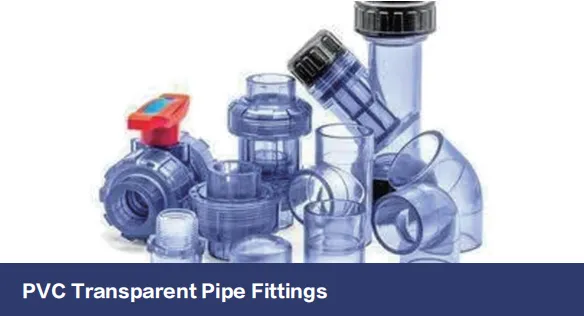
The growing regulatory landscape around plasticizers in plumbing systems
Imagine turning on your kitchen tap for a glass of water, completely unaware that the pipes delivering that water might be leaching invisible toxins. This unsettling scenario has become the focus of environmental regulators worldwide, particularly concerning PVC pipe fittings containing phthalates like DINP. As the Environmental Protection Agency targets these chemical plasticizers, a quiet revolution is reshaping the plumbing industry that directly impacts the water in your home.
The Invisible Threat in Our Plumbing
We've long taken for granted that water flowing from our taps is safe. But recent research has uncovered concerning truths about the materials conveying that water. Diisononyl phthalate (DINP), the chemical at the heart of the EPA's recent action, isn't just some abstract industrial compound – it's in the very walls of pipes in countless homes and buildings.
"Unlike pipes used for drinking water that comply with NSF/ANSI 61 standards, those used in drain and irrigation systems can still introduce DINP into the environment through leaching," explains materials scientist Dr. Elena Rodriguez. "Heat, mechanical stress, and water flow accelerate this migration, creating pathways for toxins to enter our soil and waterways."
The insidious nature of phthalate contamination reminds us that environmental concerns don't stop at the tap. What was once considered an industrial issue now shows up in suburban backyards when irrigation systems leach plasticizers into vegetable gardens, and in urban apartments where vent pipes gradually release compounds into surrounding soil.
When Chemistry Meets Biology: The Human Impact
The reason regulators are scrambling isn't theoretical. Study after study has connected phthalates like DINP to:
- Disruptions to our endocrine systems that regulate everything from metabolism to reproduction
- Developmental delays in children exposed through multiple environmental pathways
- Reproductive toxicity observed across animal species used in safety testing
"We've known for years that substances like benzene required strict limits due to cancer risks," notes public health advocate Marcus Johnson. "The same precautionary approach should logically apply to phthalates. California's Proposition 65 has listed DINP as a reproductive toxicant for years – now that science is informing federal policy."
What keeps researchers up at night isn't necessarily dramatic poisoning incidents, but the slow, cumulative effect of low-dose exposure through multiple channels. A child might encounter phthalates through plastic toys, personal care products, and then again through trace contamination in water that flowed through PVC fittings.
The Regulatory Transformation
The EPA's recent ruling represents more than a simple regulation update – it's a fundamental shift in how we approach material safety:
Groundbreaking Changes
The new regulatory framework moves beyond previous narrow definitions of "drinking water systems" to address environmental contamination pathways previously overlooked. Drain, waste, and vent systems are now squarely in the regulatory crosshairs.
Perhaps most significantly, the burden of proof is shifting. Instead of requiring regulators to demonstrate harm conclusively, manufacturers increasingly must prove safety before chemicals are permitted in products.
This seismic shift hasn't happened without controversy. Industry voices argue that the changes overlook real-world complexities. "This disregards the economic implications for manufacturers and homeowners," states industry lobbyist Robert Tannenbaum. "The studies being cited don't reflect actual use conditions and could force costly material changes that might actually reduce plumbing system reliability."
Practical Solutions Taking Shape
Material Innovation
The search for safer alternatives is accelerating. Companies are exploring:
- Non-phthalate plasticizers that offer similar flexibility without the health risks
- Advanced polymer formulations that maintain durability without chemical additives
- Hybrid materials that combine PVC's affordability with safer chemistry
Certification Evolution
Compliance isn't just about avoiding banned chemicals:
- New testing protocols that simulate long-term use conditions
- Third-party verification expanding beyond initial manufacturing to include aged samples
- Lifecycle analysis requirements for environmental impact beyond leaching concerns
Installation Practices
Proper installation significantly impacts leaching potential:
- Temperature controls during joining processes
- Improved support systems to reduce mechanical stress on pipes
- Buffer zones where PVC cannot interface with certain soil types
This revolution in piping isn't happening in isolation. The movement toward sustainable building materials influences choices from architects specifying systems to homeowners replacing aging plumbing. The phrase "environmentally friendly building materials" has evolved from a marketing buzzword to a central specification criterion for responsible construction.
Beyond Compliance: Ethical Manufacturing
Forward-thinking manufacturers aren't just meeting regulations – they're anticipating them. Innovative companies now embrace:
- Radical transparency through publicly accessible material disclosure databases
- Closed-loop manufacturing that recovers and reuses production materials
- Proactive chemical safety assessments before new formulations reach market
"True leadership means looking beyond today's compliance checklist," says manufacturing CEO Lisa Chen. "We've completely reformulated our product lines with tomorrow's regulations in mind, creating PVC alternatives that don't just avoid today's bad actors but build in fundamental safety at the molecular level."
This philosophy extends to surprising details. One facility discovered that installing glass partitions increased worker accountability for quality control, inadvertently improving chemical measurement accuracy throughout production lines.
Conclusion: Clear Pipes, Conscience Clear
These regulatory shifts represent more than bureaucratic rule changes – they signify our evolving understanding of how the built environment impacts human health. What happens in manufacturing facilities and plumbing distribution centers ultimately affects what ends up in our drinking glasses and backyard gardens.
The path forward isn't simple. It demands collaboration between policymakers who must balance precaution with practical realities, manufacturers investing in safer chemistry, and consumers making informed choices. Each new certification in the hardware store, each plumbing code revision, each chemical reformulation brings us closer to infrastructure that provides pure water without hidden toxins.
This transformation addresses more than just pipes – it fundamentally reshapes our relationship with water systems. Our fundamental expectation that the infrastructure delivering life's essential element shouldn't compromise our health is finally moving from quiet assumption to enforceable reality.










