
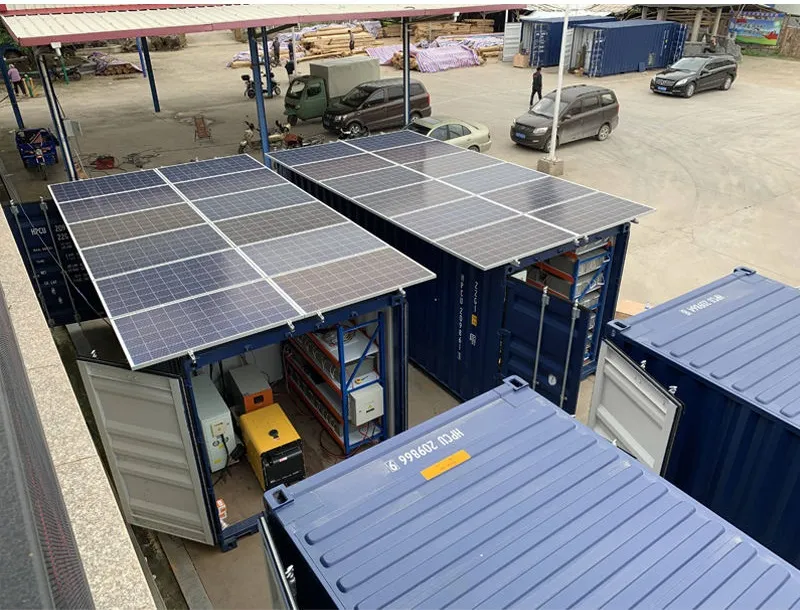
Cutting through the green noise in solar technology
Ever stood in a store squinting at solar panel packaging overloaded with eco-labels like "green," "eco-friendly," and "natural"? You're not alone. As demand for renewable energy surges, so does greenwashing – the practice of making products appear more environmentally sound than they truly are. The solar industry isn't immune, with some manufacturers prioritizing profits over planetary health.
But here's the good news: legitimate environmental certifications exist to separate truly sustainable solar panel solutions from marketing gimmicks. This guide unpacks how certifications work, why they matter for our planet, and practical ways to verify sustainability claims before you invest.
We celebrate solar panels for generating clean electricity without emissions, but their environmental impact begins long before installation:
Silicon mining requires heavy machinery and toxic chemicals. Factory manufacturing consumes massive energy and water resources. Transportation logistics add carbon miles. End-of-life disposal creates e-waste challenges. Without rigorous standards, these phases can offset the clean energy benefits.
Alarming Reality: A 2023 MIT study found uncertified solar panels can take up to 4 years to "pay back" their carbon debt from manufacturing and transport. Sustainable alternatives achieve this in under 18 months.
The gold standard evaluating five sustainability pillars:
Managed by the Global Electronics Council, focusing on:
How certifications interconnect:
Raw Material Sourcing Manufacturing Process Distribution Installation Operation End-of-Life Handling
│ Cradle to Cradle │ EPEAT │
Never trust packaging claims alone. Use official registries:
Ask manufacturers these questions:
Truly sustainable manufacturers welcome questions. If you encounter vague answers about certifications or recycling programs, consider it a red flag for greenwashing. Transparency is fundamental.
The efficiency trap: High-efficiency panels often require rare earth minerals and energy-intensive production. Compare:
| Panel Type | Efficiency | Carbon Payback | Recyclability |
|---|---|---|---|
| Standard Monocrystalline | 18-22% | 3-4 years | ~85% |
| Certified Thin-Film | 16-18% | 10-16 months | 95%+ |
True sustainability includes recycling responsibility. Look for:
When consumers demand verified sustainability, manufacturers respond:
Between 2020-2023, certified solar panels grew from 12% to 34% of global production. Certification is becoming a competitive necessity.
Fair-trade certified factories show 47% fewer labor violations and 30% higher wages. Environmental responsibility connects to human welfare.
Recycling Revolution: Companies like First Solar now recover 95% of panel materials. Their closed-loop systems turn old panels into new ones without mining.
Emerging standards address evolving concerns:
New frameworks measure factory impacts on local ecosystems, not just carbon footprints.
Requiring roadmaps to eliminate all hazardous substances by 2030, not just regulated ones.
Blockchain-enabled traceability allows real-time verification of every panel's origin story via QR codes.
Certifications empower you to vote with your wallet. By choosing independently verified sustainable panels, you:
Demand transparency – the planet deserves nothing less.
Before your next solar purchase:
The Verification Rule: If a company's sustainability claims wouldn't survive a high school science fair investigation, walk away. Legitimate certifications invite scrutiny.
Truly sustainable solar represents more than clean energy – it's a blueprint for transforming how we design, produce, and reclaim every industrial product. By embracing certification, we:
Factories feed waste streams into adjacent businesses (e.g., silicon scraps → electronics manufacturing)
Products with end-of-life planning reduce landfill waste and create urban mining opportunities
The quest for certified sustainable solar panels extends beyond environmental benefits. It demonstrates how mindful consumption can restructure supply chains, empower communities, and transition humanity from extraction economies to restoration societies. This evolution begins with your rooftop.
Every certified solar panel installation becomes a vote for transparency, a rejection of greenwashing, and an investment in truly regenerative technology. The tools to identify them are in your hands – use them wisely.
Recommend Products












