
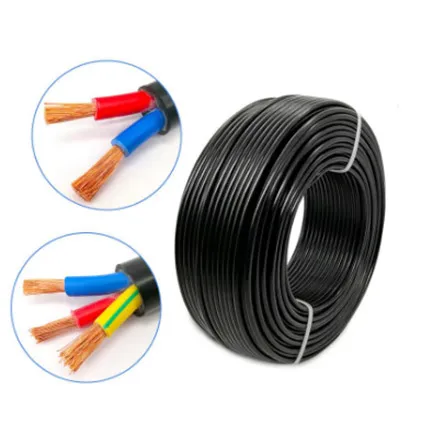
Hey there! Let's talk about something that might not seem glamorous but is absolutely crucial in our journey toward green energy: photovoltaic cables. You're probably familiar with solar panels shimmering on rooftops, but those panels couldn't do their job without the unsung heroes - the cables that connect them all. What makes these special? They're designed to be sustainable power conduits in every sense of the word.
Photovoltaic (PV) cables aren't just ordinary wires; they're engineered to withstand extreme weather, resist UV radiation, and operate efficiently for decades. But beyond performance, there's a growing demand for environmental responsibility throughout their lifecycle. As consumers and industries become more eco-conscious, the focus shifts toward materials, manufacturing processes, and end-of-life solutions.
Imagine a garden hose. If it leaks or cracks, your plants won't get enough water. PV cables work similarly – they're the pathways for solar-generated electricity. Any inefficiency here means lost power and wasted resources. That's why premium PV cables use highly conductive copper and advanced insulations that minimize energy loss.
The physical demands are intense too. These cables bake in desert sun, freeze in mountain winters, and flex under mechanical stress year after year. Manufacturers meet these challenges through innovations like:
Yet durability alone isn't enough anymore. The push toward genuinely sustainable engineering means evaluating everything from mining practices to manufacturing energy footprints to recycling pathways.
With so many "eco-friendly" claims floating around, how do you spot genuinely sustainable PV cables? Certifications provide concrete proof. Think of them as nutritional labels for environmental impact.
RoHS (Restriction of Hazardous Substances): Guarantees the cable contains no lead, mercury, cadmium, or other toxic heavy metals. Ever opened electronics and smelled that strange "burning" odor? That's what RoHS prevents.
ISO 14001: Shows the manufacturer minimizes pollution, waste, and resource use during production. It's not just about the final product but the journey to create it.
UL 4703 & TÜV Rheinland: These rigorous tests verify 25+ year lifespans under brutal conditions. Longer life means fewer replacements and less landfill waste.
Beyond technical specs, we're seeing exciting developments like Cradle to Cradle® certification that evaluates every stage - material health, renewable energy usage in factories, responsible water management, and social fairness for workers. That holistic approach represents the future of sustainable manufacturing.
Let's break down the real-world difference certified cables make:
Lower Carbon Footprint: High-efficiency cables reduce electrical resistance, meaning solar systems generate more power with fewer resources. Over 25 years, that extra efficiency compounds dramatically. One study showed premium cables boosted output by 3-5% - enough to power multiple homes!
Resource Conservation: Responsible manufacturers source copper from mines using regenerative practices and recycled content. Some now incorporate recycled plastics from ocean waste - giving fishing nets and bottles new purpose as cable sheathing.
Recycling Innovation: End-of-life cables don't have to become landfill. Pioneering programs separate copper conductors from polymer insulation. The metal gets smelted for reuse, while plastics become pellets for furniture or construction materials. Closing that loop turns waste into value.
The keyword environmentally friendly electrical equipment and cables captures this movement perfectly. Products designed holistically to serve both technological and ecological needs.
Even the most sustainable cable only fulfills its promise with proper installation. That means training technicians on:
Maintenance simplicity matters too. Imagine cables running through solar farms or rooftops for 25 years. Easy inspection access and straightforward repair procedures reduce service visits. Less truck rolling means less diesel burned for maintenance.
Creative solutions are emerging, like modular connectors that unclip without special tools and color-coded sheathing to simplify troubleshooting. These thoughtful designs complement the core sustainability benefits.
The innovation journey is far from over. Researchers are exploring exciting developments:
Biodegradable insulation: Experimental polymers could safely decompose after removal instead of sitting in landfills.
Self-monitoring cables: Embedded sensors could detect developing faults before they impact performance.
Ultra-conductive alternatives: Materials like carbon nanotubes might one day replace copper, offering similar conductivity without mining impacts.
Industry collaboration is accelerating progress. Programs like the CharIN Cross Industry Network bring together automakers, solar developers, and cable manufacturers to create universal standards. That cooperation prevents fragmented solutions and aligns sustainability goals.
When choosing cables for your solar project, consider these practical tips:
Yes, premium sustainable cables cost more upfront - maybe 15-20% over conventional options. But viewed across decades of service? The energy savings, reduced maintenance, and environmental benefits easily outpace that initial investment. When we're safeguarding systems meant to last a generation, cutting corners carries hidden long-term costs.
So there you have it - the surprisingly fascinating world of photovoltaic cables! These thin wires carry more than electricity; they embody our transition to truly sustainable technology. As standards evolve and innovations emerge, they'll keep solar installations running efficiently while minimizing environmental burdens.
Next time you see solar panels gleaming in the sun, remember what lies beneath: cables consciously crafted to maximize clean energy while treading lightly on our shared planet. With choices that consider both performance and responsibility, we're building a brighter, more sustainable future - one electron at a time.
Recommend Products












