
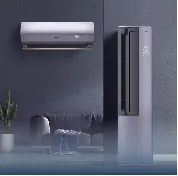
Picture this: You've developed an innovative air conditioner that could revolutionize cooling technology. Or maybe you've engineered a microwave with groundbreaking efficiency. You're ready to bring these marvels to North America's massive consumer market. But there's a gatekeeper standing between your products and millions of potential customers: UL certification.
Without UL certification, retailers won't stock your shelves, consumers won't trust your brands, and worse - you could face legal nightmares. This isn't just red tape; it's a safety promise to families across the continent.
Companies that integrate high-performance decorative profiles in their designs often find smoother certification journeys. These design elements demonstrate attention to both aesthetic and safety details that UL evaluators appreciate.
Imagine UL certification as a three-act play: Pre-game preparation, testing trials, and post-approval vigilance.
Act 1: The Pre-Check
Before the testing even starts, gather all product specs - schematics, materials lists, assembly instructions. UL wants a virtual clone of your manufacturing process. Miss a single capacitor spec? That's months added to your timeline.
Act 2: Testing Fire & Fury
Your appliance will endure conditions no device should ever face in real life: Extreme overheating, electrical surges, intentional shorts. UL evaluators are like skeptical science teachers - they need to see how your product fails before trusting how it works.
Act 3: The Unseen Vigil
Certification isn't a lifetime pass. UL agents may visit factories unannounced, checking if production matches approved samples. It's quality control with teeth.
For AC units, UL 1995 and UL 60335-2-40 are your bibles. The testing simulates worst-case scenarios:
Fun fact: Units with integrated wall panel systems often score better on enclosure safety tests - one reason we're seeing this trend surge.
Microwaves live by UL 923 standards where radiation leakage is the ultimate sin. Evaluators will:
Bonus tip: Using fireproof ceiling boards in kitchen installations? Document this - it helps demonstrate safety-conscious engineering.
Seasoned UL consultant Maya Rodriguez sees three recurring pitfalls:
"It works safely in Europe!" Syndrome
North American electrical systems behave differently than EU standards. Assume nothing transfers.
The Cost Cut Trap
Swapping an UL-certified capacitor for a cheaper alternative post-approval? That's certification suicide.
Language Limbo
Warning labels must be precise - "CAUTION" versus "WARNING" carries legal weight. Lost-in-translation moments cost millions.
Beyond legality, UL certification offers unexpected advantages:
Producers using ecological building wall panels often discover secondary benefits during certification - improved insulation scores or easier disassembly for recycling.
As technology evolves, UL standards sprint to keep up. Emerging frontiers include:
IoT Integration Standards
Smart appliances bring new vulnerabilities. UL is developing frameworks for hack-resistant devices.
Sustainable Manufacturing
Beyond safety, UL may soon verify eco-credentials and carbon footprint transparency.
Dynamic Recertification
Cloud-updated appliances may require continuous compliance monitoring instead of fixed cycles.
The UL maze seems daunting, but view it as your product's finishing school rather than final exam. Companies that build certification into their design DNA reap rewards:
Implementing water resistant flooring solutions in factory assembly areas? This demonstrates production consistency to auditors - a silent credential.
Recommend Products












