
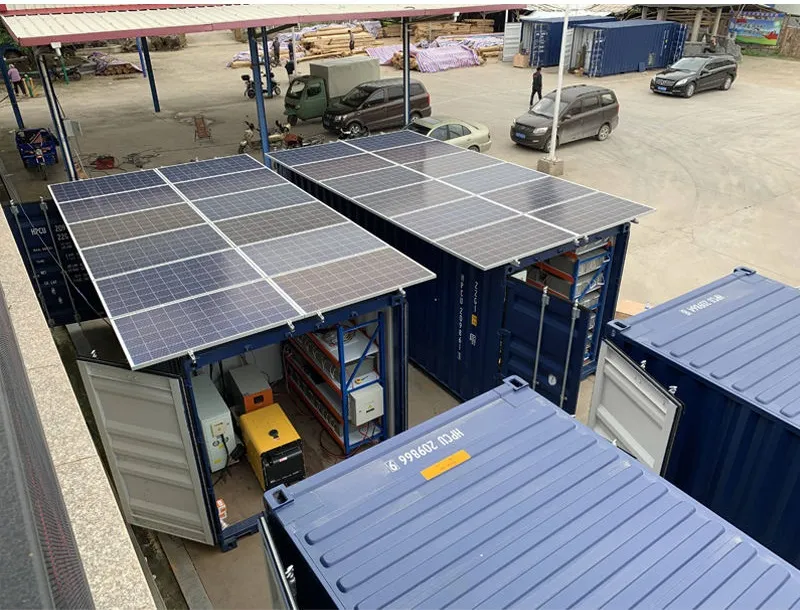
Did you know solar panels certified to UL standards are 47% less likely to experience safety failures? That's the power of proper certification when entering the competitive North American renewable energy market.
Breaking into the North American solar market requires more than just great technology - it demands compliance with strict safety standards. This guide will walk you through everything you need to know about UL certification for solar panels, the golden ticket to market access in the US and Canada.
Let's be real - navigating certification requirements can feel overwhelming. But skipping UL certification isn't an option if you're serious about the North American market. Think of UL as your quality passport that:
We've seen too many promising solar companies hit roadblocks because they underestimated certification requirements. Don't let that be your story.
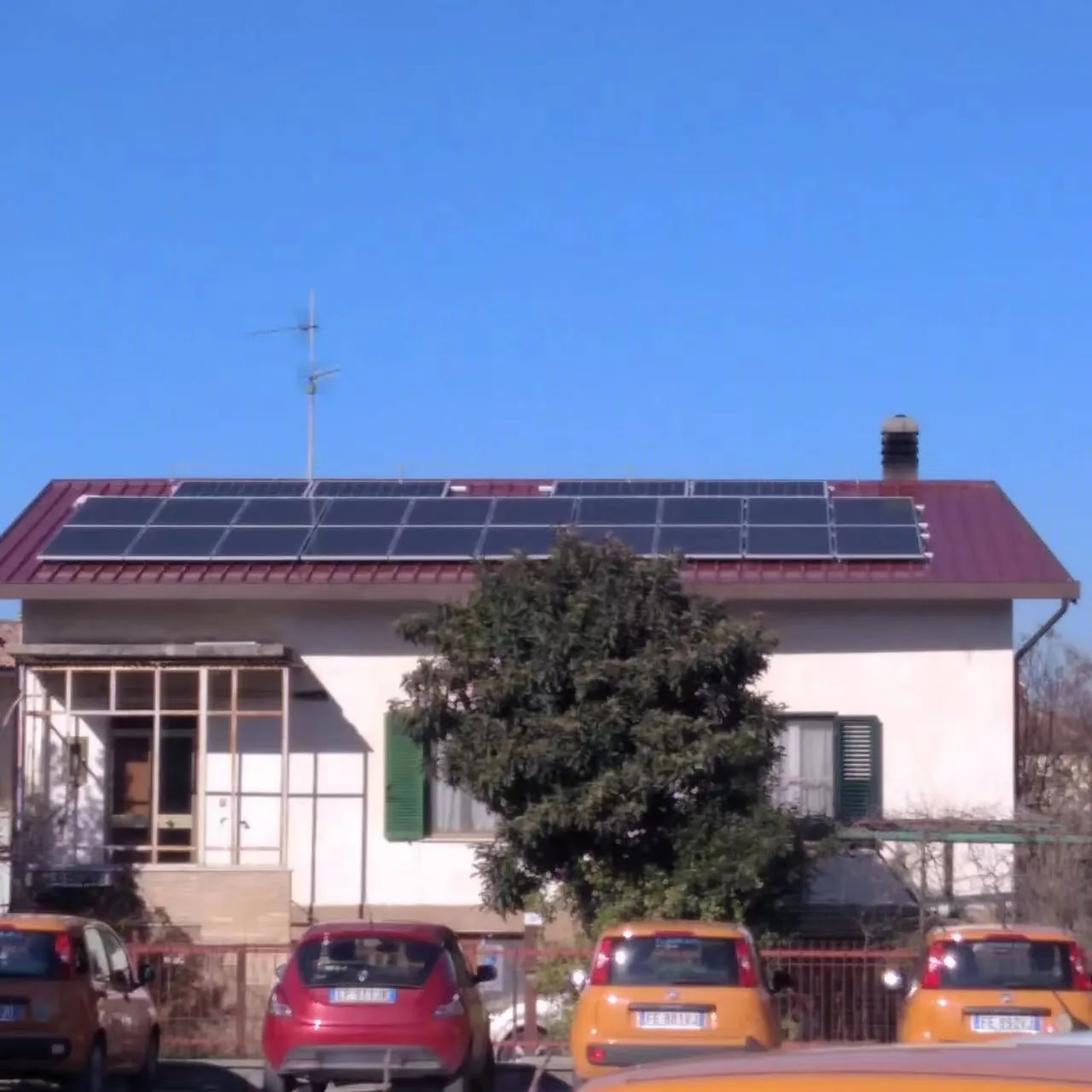
UL 1703 is the bible for solar panel certification in North America. It's not just paperwork - it's about ensuring your products won't become safety hazards when installed on someone's roof.
Your frame, junction box, and encapsulation materials all matter. UL scrutinizes everything for fire resistance and environmental durability. Fun fact: most certification delays happen right here due to substandard materials.
From insulation resistance tests to ground continuity verification, these tests are non-negotiable. Ever wondered what happens when lightning strikes a solar array? UL makes sure your panels handle it safely.
Class A fire rating isn't optional for rooftop installations. Your panels need to prove they won't accelerate flames during a building fire. This involves brutal flame exposure tests that many imports fail.
| Phase | Typical Timeline | Cost Factors | Common Pitfalls |
|---|---|---|---|
| Pre-assessment | 2-4 weeks | Document review fees | Incomplete technical files |
| Testing Phase | 8-12 weeks | Sample preparation, lab fees | Material substitutions |
| Factory Inspection | 1-2 weeks | Auditor travel, facility prep | Inconsistent production quality |
| Certification Issuance | 2-4 weeks | Licensing fees | Labeling compliance issues |
The journey typically takes 6-9 months for companies new to North American standards. We've seen clients cut this time in half by properly preparing documentation and manufacturing processes upfront.
Paperwork is where many solar manufacturers stumble. Here's your essential checklist:
Pro Tip: Start your documentation 3 months before initiating certification. Manufacturers who do this experience 40% fewer delays during testing.
UL testing isn't for the faint of heart. Your panels will endure brutal conditions that simulate decades of real-world use:
Your panels will experience temperature swings from -40°C to 85°C for 50 cycles. This reveals weaknesses in solder bonds and encapsulation.
1000 hours at 85°C and 85% humidity stress-tests material integrity. Failures here often trace back to compromised edge seals.
Ice balls traveling at 70 mph target specific points on your panels. This separates durable solar panels from fragile pretenders.
Getting certified is just the starting line. UL conducts unannounced factory inspections 2-4 times yearly to ensure:
We recommend treating these inspections as collaborative improvements rather than audits. The best manufacturers turn inspection notes into competitive advantages.
| Region | Key Certification Requirements | Special Considerations |
|---|---|---|
| California | CEC listing + UL 1703 | Stringent efficiency thresholds |
| Florida | HVHZ wind load certification | 150mph wind resistance required |
| Canada | UL 1703 + CAN/CSA-C22.2 | Special cold-climate testing |
Don't make the mistake of treating North America as a single market. Regional differences matter tremendously in solar. Some states like Massachusetts even have their own supplemental requirements.
The #1 mistake we see? Manufacturers using one-size-fits-all approaches. Customize your compliance strategy for each target state or province.
Proper budgeting separates successful market entries from costly failures. Here's a realistic breakdown:
$75,000 - $125,000
Includes lab testing, documentation review, and first-year licensing
$15,000 - $30,000
Covers inspection fees, license renewals, and minor design updates
10-20% buffer recommended
For retesting, expedited services, or component substitutions
Smart manufacturers budget certification costs into their market-entry strategy rather than treating it as an afterthought. The ROI comes from higher pricing power and market access.
Consider SolarTech Innovations (name changed for confidentiality). Before UL certification:
After completing the UL certification journey:
"Completing UL certification transformed us from commodity players to premium solution providers," shared their CEO. "Our panels now command 12-15% price premiums over uncertified competitors."
The journey to North American solar success begins with UL certification. By understanding these requirements deeply and planning accordingly, you're not just checking compliance boxes - you're building the foundation for sustainable growth. The pathway to certification might seem complex, but each step brings you closer to unlocking a $35 billion solar market.
Recommend Products












