
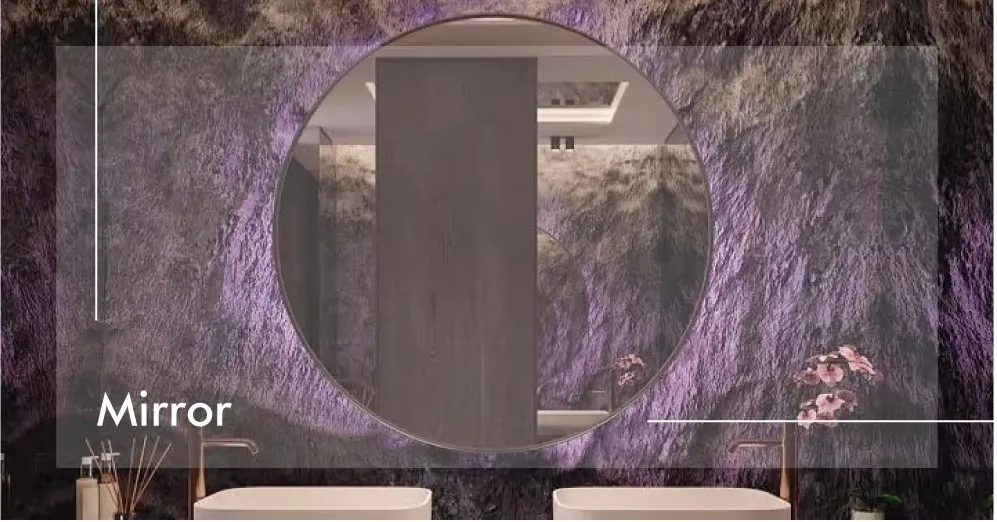
Ever stepped into a fitting room and felt instantly transformed? That magic doesn't happen by accident. It's an orchestrated experience where lighting fixtures craft perception, mirrors sculpt confidence, and every angle whispers: "This is how great you look."
Picture this: You're holding an armful of clothes that caught your eye on the sales floor. You push through that heavy curtain into the fitting room – and suddenly, the outside world disappears. This isn't just a changing area; it's a judgment-free zone meticulously engineered to make you fall in love with what you see. That sparkle in your eyes? That posture change when an outfit clicks? That's retail ambience doing its silent, powerful work.
Here's a truth retailers rarely discuss: Fitting rooms are conversion engines. Data shows customers who try items are seven times more likely to purchase . But not all fitting rooms are created equal. The difference between an abandoned cart and a "take-all" purchase often hangs on two invisible details: how light kisses your skin and how mirrors frame your reflection .
Mirrors never lie? Actually, they whisper creative truths when angled strategically:
1. The Truth Teller (Full-Length) : Positioned perpendicular to walls, this workhorse mirror needs a 5-7° forward tilt. Why? It subtly elongates legs and reduces "mirror shock" by showing your reflection progressively rather than head-on. Ever notice how high-end boutiques rarely place mirrors flat against walls? That sliver of angle is intentional body positivity.
2. The Detail Whisperer (Three-Way) : Mount these at shoulder height instead of eye-level. When panels fold inward at 30° angles, they create a soft wrap-around effect. Customers instinctively turn - a psychological trigger that highlights garment details while minimizing focus on perceived flaws. It's self-discovery, not self-critique.
3. Seated Sanity Checker : Place these vanity-style mirrors 34-38 inches above benches at a 10° downward tilt. This captures necklines and waistbands without forcing awkward crouching - critical for customers with mobility issues or parents with restless kids in tow.
Mirror placement isn't just geometry - it's anthropology. Group mirrors to create conversational clusters, allowing shopping companions to react together. That shared excitement ("Oh my god, YES!") is contagious. But install them with 20-24 inches of clearance from hooks and benches - nothing kills confidence like bumping into walls while twirling.
Lighting isn't about brightness - it's about emotional resonance. Consider these theatrical techniques:
The Goldilocks Rule: Lights should be bright enough to see true colors (80-100 lux minimum) but soft enough to mimic late afternoon sunlight - universally flattering.
Stage Lights (Overhead) : Use 3000K-3500K LEDs at 90+ CRI (Color Rendering Index). Mount recessed lights directly above mirrors, not behind customers , to prevent unflattering backlight shadows. Pro tip: install rheostats to let shoppers control brightness – empowerment breeds purchases.
Highlight Reel (Accent Lights) : Vertical LED strips bordering mirrors are game-changers. Positioned 6 inches inside frame edges, they create a "museum glow" that softens jawlines and minimizes texture. Choose diffused fixtures that scatter light like morning mist – no harsh beams allowed.
Cozy Closure (Ambient Glow) : Sconces with frosted glass between rooms offer continuity. This visual rhythm calms the nervous system after outfit changes, creating an intuitive, safe-feeling journey through your space.
Ever tried on a black dress only to leave questioning its actual color? Retail lighting often commits a grave sin: mixed color temperatures. Solution: standardize all fitting room lighting to 3200K warm white with dimming capabilities. Add motion sensors to preserve the magic between customers.
Their synergy creates unforgettable moments. Notice how:
Angled mirrors + edge lighting create depth illusions that slim silhouettes. Three-way mirrors + overhead spots eliminate dreaded under-chin shadows. Seated mirrors + ambient sconces offer Instagram-worthy glow during sit-down shoe trials.
Consider Bloom Theory in Seattle: Their redesign replaced flat mirrors with 7°-tilted panels bordered by vertical LEDs. Lighting uniformly calibrated to 3200K. Result? Average fitting room time increased 23%, returns decreased 18%, and sales conversions jumped 31% in three months. Why? Customers posted more selfies, texted more friends, stayed longer.
Ready to redesign? Follow this action plan:
1. Audit existing spaces: Photograph mirror placements and measure light temperatures with a free smartphone app.
2. Calculate clearance: Ensure 22 inches minimum around fixtures - no cramped transitions.
3. Choose verticality: Prefer tall mirrors (minimum 70 inches) over wide ones.
4. Install dimmers: Adaptable brightness is the ultimate customer service.
5. Test ruthlessly: Have staff try outfits under different settings – how does denim blue appear? How do textured fabrics play?
These principles cascade across stores. Window displays benefit from lighting illusions making mannequins pop. Sales floors gain energy from strategic mirror placements encouraging discovery. Even checkout counters transform with well-lit queue areas framing smiles.
Final Truth: Customers don't buy clothes; they buy the best versions of themselves they see reflected. Your mirrors are the canvas; your light is the paint. Mastering these turns fitting rooms from necessities into experiences people crave.
When lighting fixtures conspire with angled mirrors to create magic, fitting rooms become theaters where garments take center stage and customers walk out feeling like standing ovations.
Recommend Products












