


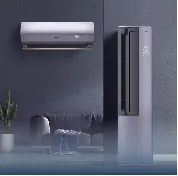
Let's talk about something that keeps hotel managers awake at night - energy bills. You know those terrifying monthly statements that seem to grow faster than tropical vines? Well, what if I told you there's a way to transform your property into a lean, green efficiency machine without compromising guest comfort? Hospitality sustainability isn't just tree-hugging idealism anymore - it's becoming a financial lifeline in an industry where energy costs chew through 8-12% of operational budgets.
The hospitality industry consumes about 60% more energy per square foot than typical commercial buildings. But get this - studies confirm smart retrofitting can slash that consumption by 25-40% while actually enhancing guest comfort. That's money straight to your bottom line while doing something genuinely good for our planet.
Where Your Energy Actually Goes
Before we dive into solutions, let's understand the problem. Hotel energy patterns reveal consistent offenders:
Surprised? Most managers are when they see HVAC leading the pack. That constant battle against outdoor temperatures - whether you're fighting tropical humidity or northern chills - consumes more energy than all your rooms, restaurants, and pools combined.
HVAC Transformation: Beyond Basic Thermostats
Traditional hotel HVAC systems work like blunt instruments - cranking full blast regardless of occupancy or actual need. Modern solutions are more like precision surgeons. Let's examine what actually works:
Occupancy Intelligence Systems
Why cool empty rooms? Smart sensors detect presence and adjust temperatures in real-time. A Jiangsu hotel case study showed 20% immediate HVAC savings just by installing basic motion sensors tied to their climate control.
Zoned Climate Control
Treating entire wings as single climate zones is like cooking one steak for everyone in the restaurant. Modern systems create micro-zones based on:
- Room occupancy patterns
- Sun exposure differences
- Building orientation quirks
- Event space schedules
Geothermal Conversion
The upfront investment stings, but properties tapping into geothermal report 40-60% HVAC cost reductions. The system leverages constant 55°F earth temperatures as either heat source or sink, drastically reducing mechanical workload.
A Mediterranean resort using eco-friendly building materials for their geothermal conversion saw payback in under 5 years thanks to combined material efficiency and system performance.
Refrigeration Revolution
Hotel kitchens hide energy vampires in plain sight - those humming refrigerators and freezers working 24/7/365. Modern solutions go beyond Energy Star stickers:
Heat Recovery Systems
Traditional refrigeration wastes the heat it removes. Modern systems capture that thermal energy to preheat water for laundry or kitchen use - essentially getting free heating from cooling.
Right-Sized Units
Many hotels maintain massive walk-ins "just in case" while smaller drawers would serve daily needs. Modular drawer systems allow flexible capacity while reducing wasted space cooling.
Intelligent Defrost Cycles
Traditional timed defrost occurs regardless of actual frost buildup. Smart sensors trigger defrost only when needed, reducing energy-intensive cycles by up to 70%.
LED Lighting: Beyond Simple Bulb Swaps
Yes, LED bulbs use less power. But true hotel lighting innovation goes much deeper:
Success Story: Copenhagen Waterfront Hotel
After converting all 4,200 fixtures to smart LEDs with circadian rhythm programming:
- Lighting energy consumption dropped 71%
- Guest sleep quality scores increased 22%
- Maintenance costs decreased 83% (LED lifespan >50,000 hours)
The system automatically adjusts color temperature throughout the day - energizing cool tones by day, warm relaxing hues at night.
Architectural Integration
Modern hotels integrate lighting into actual structures. Molded LED panels become:
- Illuminated headboards
- Glowing room dividers
- Luminous bathroom vanities
This integration reduces material costs while creating signature aesthetics.
The Management Revolution
Technology alone can't transform efficiency - human systems make or break results:
Staff Empowerment Programs
Chicago's Green Tower Hotel reduced phantom loads (energy from unused but plugged-in devices) by 18% through simple staff competitions with department energy dashboards.
Guest Engagement Tactics
Opt-in programs allow guests to:
- Track their room's energy use
- Compete for "greenest guest" rewards
- Control systems via hotel apps
Guests report feeling good about contributing - and 67% would return to eco-conscious properties.
The Whole-Systems Approach
The biggest mistake hotels make? Piecemeal implementation. Truly transformative results come from integrated thinking:
Example synergy: High-performance insulation reduces HVAC load → Smaller HVAC needs allow more solar panel space → Solar powers efficient LEDs → Reduced heat from lighting further lessens cooling demand → Continuous savings compound.
Mediterranean resorts showcase how integrated design with eco-friendly building materials creates properties producing 110% of their energy through optimized systems and orientation.
Beyond Efficiency - The Guest Experience Dividend
Here's what rarely gets discussed - modern efficiency upgrades actually enhance guest satisfaction:
- Precise humidity control prevents that "desert hotel throat"
- Zoned acoustic barriers create quieter rooms
- Circadian lighting improves sleep quality
- Visual energy dashboards appeal to eco-conscious travelers
That Jiangsu retrofit project we mentioned? They achieved 25% energy savings while simultaneously lifting thermal comfort satisfaction to over 85%. Guests literally felt the difference while reading lower bills.
The Transformation Roadmap
Convinced but overwhelmed? Here's your practical path:
- Baseline Audit: Comprehensive energy mapping (don't skip thermal imaging!)
- Quick Wins: LED replacement, smart thermostats, leak repairs
- Retrofit Planning: HVAC, water heating, envelope improvements
- Renewable Integration: Solar thermal, PV, geothermal
- Continuous Optimization: IoT monitoring and predictive maintenance
Remember - every hotel's journey differs. Coastal properties might prioritize humidity control while desert locations focus on cooling efficiency. Alpine resorts emphasize heating conservation and snow load management.
Future Horizon: What's Next?
The efficiency evolution continues accelerating:
- Phase Change Materials: Wall coatings that absorb/release heat to stabilize temperatures
- AI Optimization: Systems learning occupant patterns to predict needs
- Transparent Solar: Windows generating power while maintaining views
- BIPV: Building Integrated Photovoltaics making structures themselves power generators
One Scandinavian hotel prototype already achieves net-positive energy production - generating 30% more than it consumes through these emerging technologies.
The hospitality industry stands at a watershed moment. Properties embracing deep efficiency transitions aren't just cutting costs - they're future-proofing assets, enhancing guest experiences, and building marketable sustainability stories. Those delaying action risk not just financial penalties from rising energy prices, but irrelevance among increasingly eco-conscious travelers.
Your path forward? Start small but think big. replace bulbs today while planning tomorrow's system overhaul. Track energy flows religiously. Involve staff creatively. Most importantly - recognize every efficiency investment serves dual returns: healthier finances and a healthier planet. That's hospitality reimagined for the 21st century.










