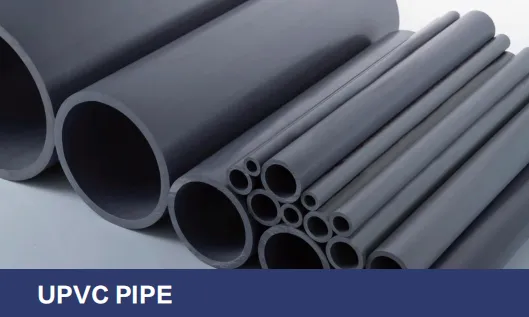
Let's start with the basics: how UPVC pipes are born. The manufacturing process begins with polyvinyl chloride resin, which is mixed with stabilizers and pigments (no toxic plasticizers here). The mixture is heated, extruded into pipes, and cut to length. Compared to copper or steel, this process uses 40% less energy—no mining, no smelting, just efficient plastic extrusion.
But the real magic of
upvc pipe solutions lies in their *lifetime impact*. Let's break down the benefits that make Ahmed's "green building" dream achievable:
1. Energy Efficiency That Starts at the Factory (and Ends in Lower Bills)
UPVC's low embodied energy is just the beginning. Once installed, these pipes shine in energy efficiency. Their smooth interior reduces friction, meaning water pumps work less to move water through the system. In residential buildings, this can lower water heating costs by 5-8%—a saving that adds up for homeowners over 50 years of pipe life. For commercial projects like hospitals or schools, where water use is constant, the savings are even steeper.
2. Lightweight, Easy Installation: Saving Time, Fuel, and Backs
Imagine hauling a 20-foot steel pipe up a flight of stairs. Now imagine lifting a UPVC pipe of the same length—it weighs 70% less. For Ahmed's team, that translates to fewer trips with heavy machinery, less fuel burned during transportation, and fewer worker injuries. "We used to need two guys to carry a steel pipe," Maria recalls. "With UPVC, one worker can handle it. Installation time? Cut by 30%. That's a full day saved on a 100-unit project."
And it's not just about weight. UPVC pipes and fittings solutions are designed for simplicity: they connect with solvent cement or push-fit joints, no welding or soldering required. This reduces on-site errors—critical for meeting tight deadlines—and minimizes the need for energy-hungry tools like blowtorches.
3. Corrosion Resistance: No Leaks, No Waste, No Carbon from Replacements
In coastal areas like Jeddah or Riyadh's hard water regions, corrosion is the enemy. Copper pipes develop pinholes; steel rusts from the inside out. But UPVC? It laughs at corrosion, chemical reactions, and even root intrusion (a common issue with underground pipes). This longevity means fewer replacements. A typical UPVC pipe lasts 50-60 years—twice as long as galvanized steel. Fewer replacements mean less carbon emissions from manufacturing new pipes and less waste in landfills.
4. Perfect for DWV Systems: Keeping Sewage Flowing, Emissions Low
While UPVC is a star for water supply lines, its cousin—PVC DWV (Drain, Waste, Vent) pipes—deserves a spotlight too.
Pvc dwv pipe solutions are engineered to handle the harsh conditions of sewage and drainage systems. Their smooth walls prevent clogs, reducing the need for frequent snaking (which uses energy and water). In a residential building, this means fewer plumber visits and lower maintenance costs. For commercial projects, it ensures compliance with strict hygiene standards—no buildup of bacteria in corroded pipes.