
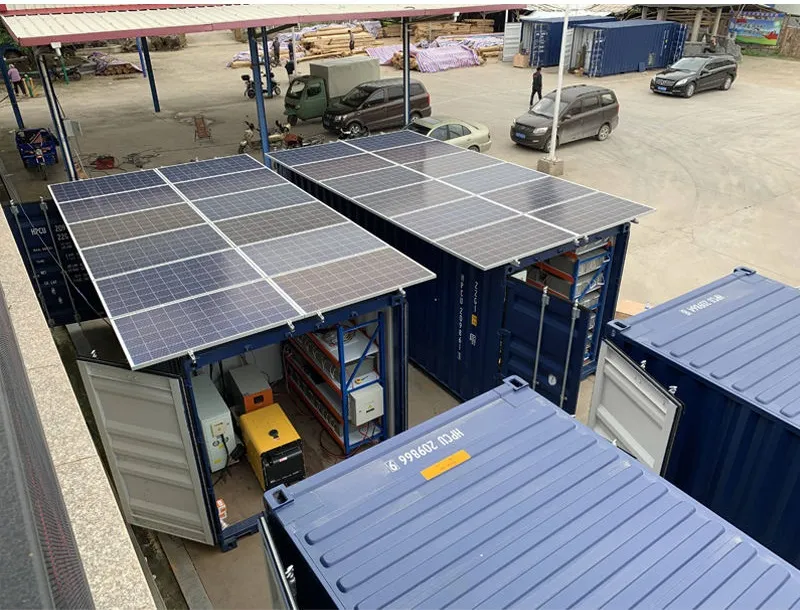
In a world where every light switch flipped and every air conditioner hum carries an environmental footprint, the buildings we live and work in are no longer just structures—they're statements of responsibility. Today, more than ever, homeowners and businesses are asking: How can we build smarter, not just bigger? The answer lies in energy efficiency, and at the heart of that answer are two game-changers: solar panels that turn sunlight into power, and windows that keep the elements out while keeping comfort in. But here's the catch: integrating these solutions seamlessly isn't just about picking the best products. It's about partnering with someone who understands the big picture—a one-stop architectural solution provider who can turn disjointed parts into a cohesive, energy-saving whole.
Think about the last time you renovated a room. You picked paint, flooring, fixtures—each from a different store. By the end, you realized the flooring clashed with the fixtures, or the paint color looked different under the new lighting. Now imagine that same frustration, but with something as critical as your building's energy systems. A solar panel from one supplier, windows from another, and suddenly you're left wondering why your energy bills aren't dropping as much as promised. That's where the magic of a one-stop provider comes in. They don't just sell products—they craft solutions. As a residential building materials supplier and commercial building materials supplier rolled into one, they see your project from start to finish, ensuring every piece works in harmony. It's like having a conductor for your building's energy orchestra, making sure the solar panels, windows, and everything in between play the same tune: efficiency.
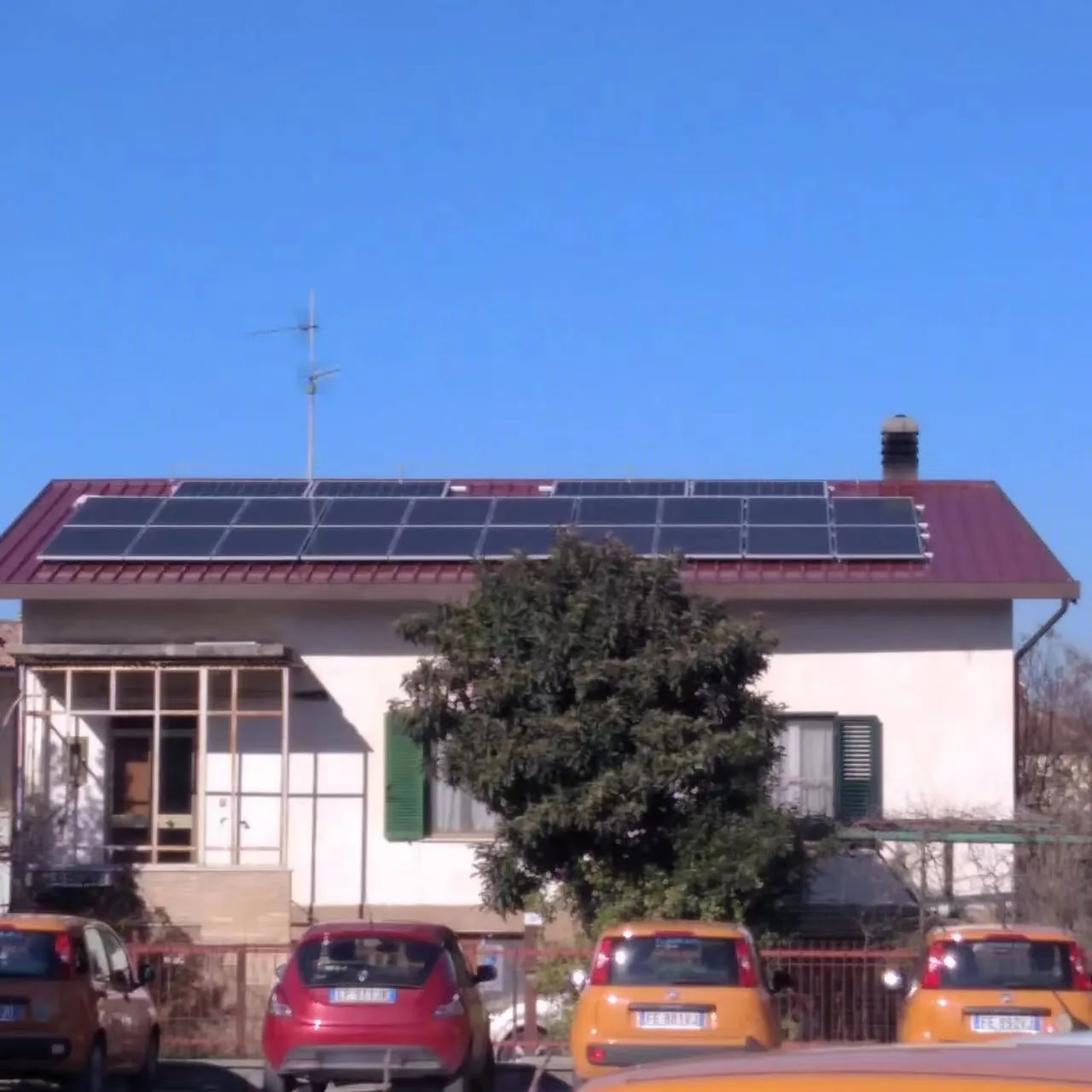
Let's start with the star of the show: solar panels. For too long, they've been pigeonholed as "green gadgets" for eco-enthusiasts. But today's solar technology is for everyone—and it's smarter than ever. A reputable solar panels supplier doesn't just hand you a box of panels and wish you luck. They start by asking: What's your building's sun exposure? How much energy do you really use? Do you want to store excess power for cloudy days? These questions matter because solar panels aren't one-size-fits-all. Monocrystalline panels, with their sleek black design, are perfect for homes with limited roof space—they convert sunlight into electricity at up to 22% efficiency. Polycrystalline panels, while slightly less efficient, are more budget-friendly, making them a hit for commercial buildings with large, sunny rooftops. And then there are thin-film panels, flexible enough to blend into curved surfaces—ideal for modern architectural designs where aesthetics matter as much as function.
But here's what most people don't realize: solar panels are only as good as their integration. A one-stop provider doesn't stop at installation. They'll work with you to design a system that complements your building's layout. For example, if your home in Riyadh has a south-facing roof, they'll angle the panels to catch the maximum midday sun. If you run a restaurant with a busy kitchen, they'll size the system to offset the energy-hungry refrigerators and ovens. And yes, they'll even handle the paperwork—permits, grid connection applications, and rebate forms—so you can focus on enjoying the savings, not drowning in red tape.
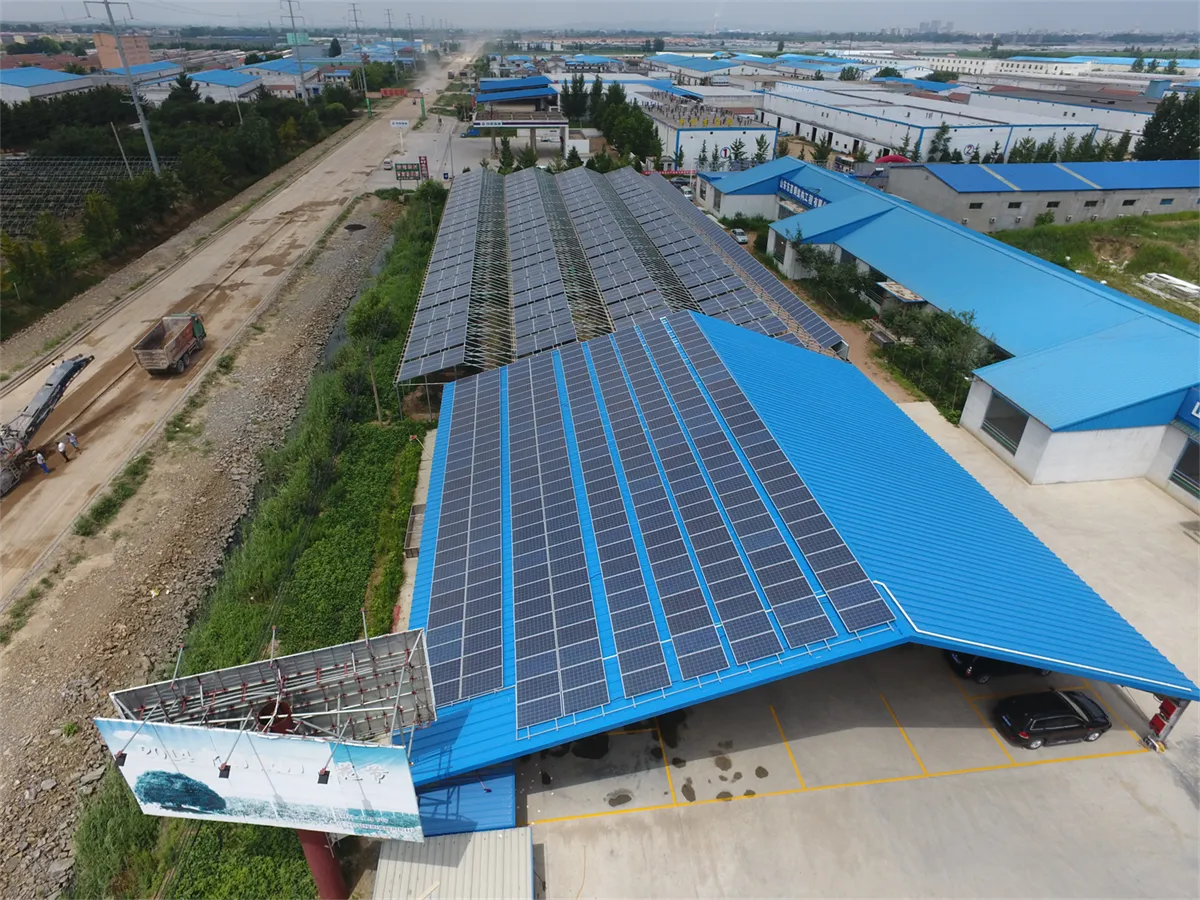
If solar panels are the "powerhouse" of energy efficiency, then windows and doors are the "bodyguards." They stand between your indoor comfort and the harsh outside world—blocking scorching heat in summer, trapping warmth in winter, and keeping drafts from turning your living room into a wind tunnel. But not all windows are created equal. Walk into a typical hardware store, and you'll find a dizzying array of options: single-pane, double-pane, triple-pane; wood, aluminum, uPVC. How do you choose? That's where a windows & doors supplier with a focus on energy efficiency becomes invaluable. They don't just sell frames and glass—they sell peace of mind.
Let's break it down. The key to an energy-efficient window lies in its ability to resist heat transfer, measured by a metric called the U-factor. The lower the U-factor, the better the window is at keeping heat inside (or outside, depending on the season). Double-glazed windows, with a layer of air or gas (like argon) between two panes of glass, have U-factors as low as 0.27—far better than single-pane windows, which can have U-factors above 1.0. Then there's low-emissivity (low-E) glass, which has a microscopically thin coating that reflects infrared light. That means in summer, it keeps the sun's heat out; in winter, it keeps your in. Pair that with a well-insulated frame—like uPVC, which doesn't conduct heat as easily as aluminum—and you've got a window that doesn't just look good, it works hard.
But here's the kicker: even the best window is useless if it's installed poorly. A one-stop provider ensures that every window is fitted with precision, leaving no gaps for air to leak through. They'll also help you choose the right style for your climate. In Jeddah, where the sun blazes year-round, a casement window that cranks open to catch sea breezes might be perfect. In Riyadh, where dust storms are common, a sliding window with a tight seal could be the better bet. It's these small, tailored choices that turn a "good" window into a "great" energy saver.
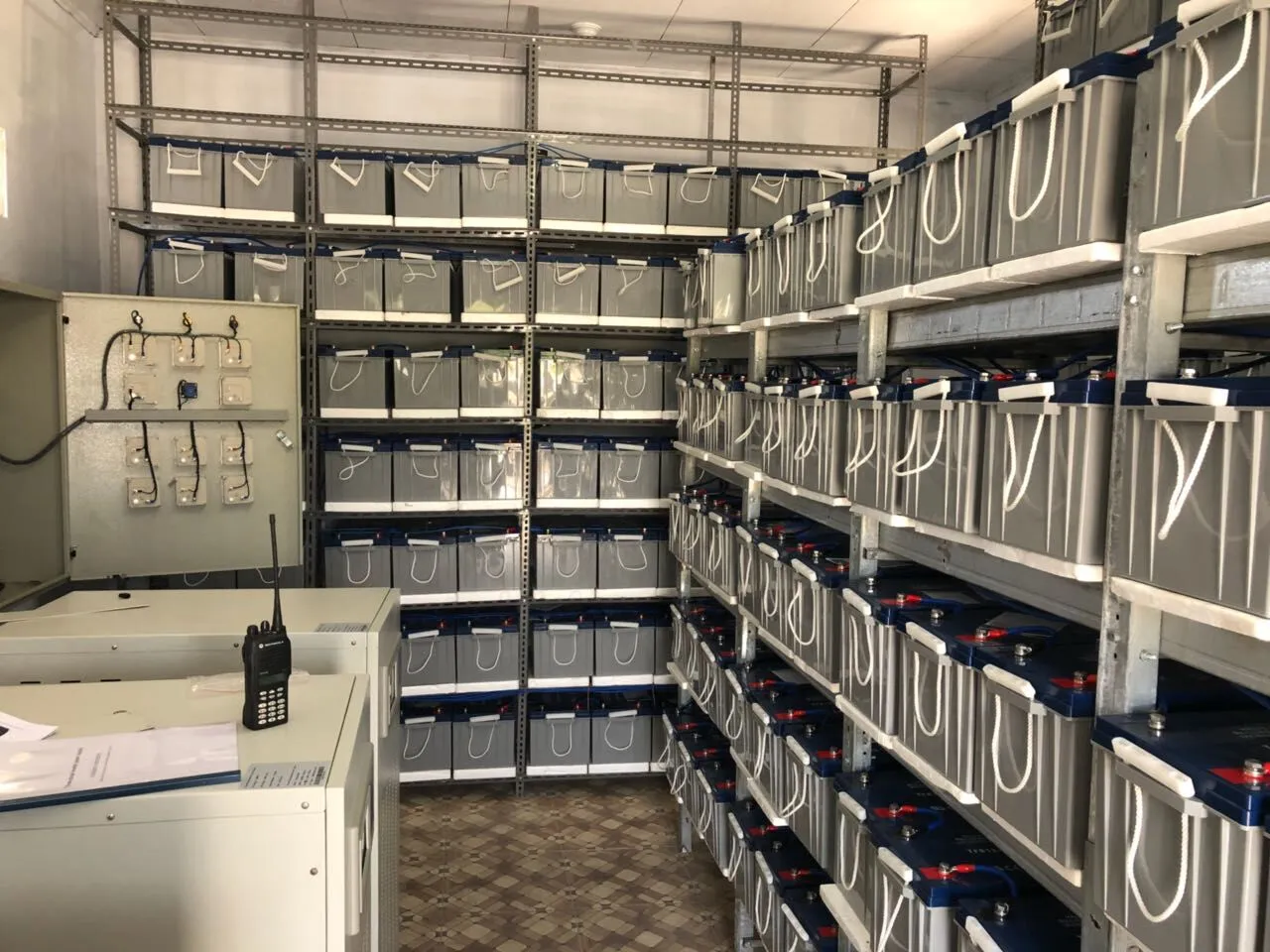
Imagine this: You install top-of-the-line solar panels, but your windows are so drafty that half the electricity they generate goes toward heating the cold air seeping in. Or you splurge on triple-glazed windows, but your roof is covered in shade, so you're still relying on the grid for power. It's like buying a sports car and putting cheap tires on it—you're not getting the performance you paid for. That's why the best energy-efficient buildings don't treat solar panels and windows as separate projects. They treat them as a team.
Here's how they work in harmony: Energy-efficient windows reduce the demand for electricity by keeping your building naturally comfortable. In summer, they block heat, so your AC runs less. In winter, they trap warmth, so your heater works smarter. Solar panels, on the other hand, supply clean electricity to meet that reduced demand. The result? A building that's not just "energy efficient," but energy independent . For example, a home with 5kW solar panels and double-glazed low-E windows might generate more electricity than it uses in spring and fall, earning credits from the utility company. In summer and winter, when energy use spikes, the windows keep that use in check, so the solar panels can still cover most of the load. It's a cycle of savings that adds up—month after month, year after year.
Still on the fence about whether a one-stop provider is worth it? Let's put it side by side. Below is a comparison of the traditional "piecemeal" approach versus working with a one-stop architectural solution provider:
| Aspect | Traditional Approach (Multiple Suppliers) | One-Stop Provider Approach |
|---|---|---|
| Sourcing Time | Weeks (coordinating with 5+ suppliers, comparing quotes, verifying credentials) | Days (single point of contact, pre-vetted products, bundled quotes) |
| Compatibility | Risky (solar inverter may not pair with battery storage; window frames may not fit panel mounting brackets) | Guaranteed (products designed to work together; system tested for efficiency before installation) |
| Cost | Higher (markups from each supplier, hidden fees for coordination, post-installation fixes) | Lower (bulk pricing, no middlemen, fixed upfront costs with no surprises) |
| Project Coordination | Stressful (you're the middleman between installers, electricians, and contractors) | Hassle-free (provider manages timelines, teams, and communication) |
| After-Sales Support | Fragmented (calling 3 different companies for a solar issue, window leak, or warranty claim) | Unified (single support team for all products; one warranty, one point of accountability) |
The Al-Mansoori family had a goal: cut their monthly electricity bill (which often hit SAR 800 in summer) and reduce their carbon footprint. They initially considered buying solar panels from a local retailer and windows from a big-box store. But after meeting with a one-stop provider, they realized the value of integration. The provider recommended 6kW monocrystalline solar panels (angled to capture Riyadh's intense sunlight) paired with uPVC casement windows with low-E glass and argon gas fills. "We were worried about the upfront cost, but the provider showed us the math," says Mrs. Al-Mansoori. "With the government's solar rebate and the savings on our bill, we'd break even in 5 years." Today, two years in, their bills average SAR 250 monthly, and they're already planning to add battery storage (through the same provider, of course) to go fully off-grid.
GreenWave, a tech startup in Jeddah, wanted their new office to reflect their "green first" mission. They needed a space that was energy-efficient, employee-friendly, and LEED-certified. A one-stop provider stepped in with a plan: 20kW solar panels on the roof (powering 70% of the building), double-glazed aluminum windows with thermal breaks (to keep the sea breeze out in summer), and motion-sensor lighting tied into the solar system. "We didn't just want to say we're sustainable—we wanted to prove it," says GreenWave's CEO. "The provider even helped us track energy usage in real time, so we could adjust habits (like turning off conference room ACs after meetings)." The result? The office uses 45% less energy than comparable buildings, and employee satisfaction scores are up—thanks in part to the natural light streaming through those energy-efficient windows.
Not all one-stop providers are created equal. To ensure you're getting the best solution for your needs, keep an eye out for these key traits:
Do they specialize in residential projects, commercial buildings, or both? Look for case studies similar to yours. If you're building a hospital, for example, a provider with experience in healthcare facilities (and knowledge of Class A fireproof materials, like those used in hospitals and schools) will understand your unique needs better than a generalist.
Beware of providers who give vague estimates. A trustworthy partner will break down costs: panels, windows, installation, permits, warranties—everything. They'll also explain long-term savings, including payback periods and potential rebates.
Your building isn't generic, so your solution shouldn't be either. A good provider will ask about your daily routine (Do you work from home? Host evening events?), local climate (Is your area prone to sandstorms or high humidity?), and aesthetic preferences (Do you prefer sleek modern windows or traditional wooden frames?).
The relationship shouldn't end when the last panel is bolted on. Look for providers who offer regular maintenance checks, software updates for solar monitoring systems, and a clear warranty (at least 10 years for panels, 20 for windows). After all, even the best products need a little TLC.
Energy efficiency isn't just a trend—it's the future of building. As technology advances, we'll see even smarter integration: solar windows that generate power while letting in light, AI-powered systems that adjust window tint based on sun angle, and buildings that produce more energy than they consume. But no matter how advanced the tech gets, the human element will always matter. That's why the role of the one-stop architectural solution provider is so crucial. They don't just sell solar panels and windows—they sell peace of mind. They turn the overwhelming process of building sustainably into something achievable, even enjoyable.
So, whether you're building a new home, renovating an office, or just looking to cut down on energy costs, remember this: the best energy-efficient solutions aren't just about the products. They're about the partnership. A partner who listens, understands, and delivers a system that works for you —today, tomorrow, and for years to come. Because in the end, a building that saves energy isn't just good for the planet. It's good for the people who live and work inside it. And that's the true measure of a smart building.
Recommend Products












