

In today's world, where every dollar counts and sustainability is no longer a choice but a necessity, building owners, architects, and contractors are on a constant hunt for materials that do more than just look good. They want solutions that protect, perform, and—above all—save energy. If you've ever stood in a poorly insulated building during a sweltering summer or a freezing winter, you know the discomfort (and the sky-high utility bills) that come with it. That's where the right cladding comes in. Exterior walls are a building's first line of defense against the elements, and choosing the wrong material can turn those walls into energy sieves. But what if there was a cladding solution that not only elevates a building's aesthetic but also acts as a thermal barrier, keeping indoor temperatures stable and energy costs in check? Enter MCM flexible cladding stone wall panels—a game-changer in architectural façade solutions that's quietly revolutionizing how we think about insulation and design.
Let's start with the basics. MCM stands for Metal Composite Material, but don't let the "metal" part fool you—these panels are so much more than cold, industrial sheets. Think of them as a hybrid of strength, flexibility, and natural beauty. At their core, MCM panels are made by bonding two thin metal layers (usually aluminum) to a low-density polyethylene (LDPE) core. But what makes them "stone wall panels"? The outer layer is often finished with a high-definition print or coating that mimics the look and texture of natural stone—granite, marble, slate, you name it. The result? A panel that has the durability of metal, the lightweight flexibility of plastic, and the timeless appeal of real stone.
As a leading mcm flexible cladding stone wall panel supplier, we've spent years refining these panels to meet the unique needs of modern construction. Unlike traditional stone cladding, which is heavy, brittle, and a nightmare to install, MCM panels are thin (usually 3-6mm thick), lightweight (around 3-5 kg per square meter), and incredibly flexible. They can bend to follow curved surfaces, wrap around corners, and even be cut into custom shapes—something that would be nearly impossible with solid stone. But here's the kicker: that LDPE core isn't just for flexibility. It's also a secret weapon when it comes to insulation.
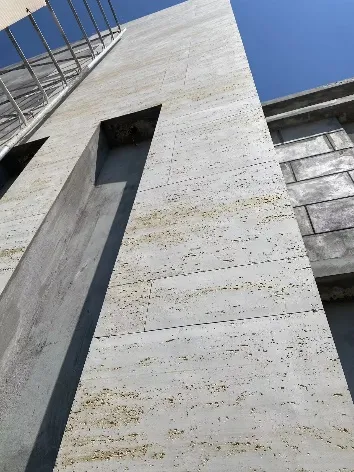
To understand why MCM panels are such energy stars, let's talk about heat transfer. Buildings lose (or gain) heat in three ways: conduction (through solid materials), convection (through air movement), and radiation (through electromagnetic waves). Traditional cladding materials like solid stone or brick are great at conduction—they absorb heat from the sun in summer and let heat escape in winter, acting like a bridge between the outdoors and indoors. That means your HVAC system has to work overtime to maintain a comfortable temperature, and your energy bills? They skyrocket.
MCM panels, on the other hand, are designed to break that bridge. The LDPE core is a poor conductor of heat, which means it resists conduction. Think of it like a thermos for your building: the plastic core traps air pockets, creating a barrier that slows down the transfer of heat. In summer, it keeps the scorching sun's rays from heating up your walls and seeping indoors. In winter, it locks in the warm air generated by your heating system, preventing it from leaking out. This isn't just theory—independent tests have shown that MCM panels can reduce heat transfer by up to 40% compared to traditional stone cladding. That's a huge difference when you're talking about monthly energy costs.
But the insulation benefits don't stop there. The flexibility of MCM panels also plays a role. When installed properly (with a small air gap between the panel and the wall substrate, as recommended in our mcm flexible cladding stone wall panel solutions), they create a ventilated rainscreen system. This air gap acts as an additional layer of insulation, allowing air to circulate and carry away any moisture or excess heat. It's like giving your building a breathable jacket—one that keeps it comfortable without overheating or getting damp. And since moisture is the enemy of insulation (wet materials conduct heat much better than dry ones), this ventilation helps maintain the panel's thermal performance for decades.
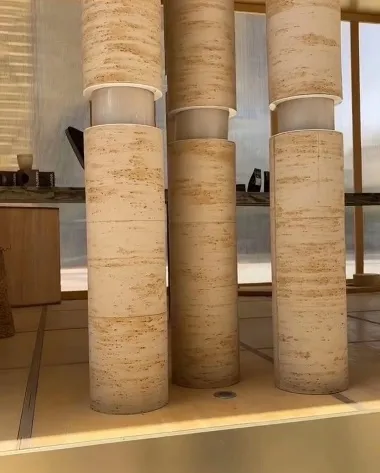
Energy efficiency is a big selling point, but MCM flexible cladding stone wall panels bring so much more to the table. Let's break down why they're becoming the go-to choice for architects and builders who refuse to compromise on function or style.
Traditional stone cladding can weigh upwards of 50 kg per square meter. That means you need reinforced structural support, heavy-duty fasteners, and a team of experienced masons to install it. MCM panels? At 3-5 kg per square meter, they're up to 90% lighter. This not only reduces the load on a building's structure (saving on construction costs for foundations and framing) but also cuts down installation time by half. A crew can cover 200+ square meters in a day with MCM panels, compared to 50-80 square meters with traditional stone. For contractors, that means faster project turnaround and lower labor costs. For building owners, it means getting their space up and running sooner.
Stone is durable, but it's also prone to cracking, chipping, and fading over time—especially in harsh climates like Saudi Arabia's intense sun or coastal areas with salt spray. MCM panels, with their aluminum outer layers, are resistant to corrosion, UV rays, and impact. We've had clients report panels looking brand-new after 15+ years of exposure to rain, snow, and extreme temperatures. The stone-like finish is sealed with a protective coating that resists scratches and stains, so you won't have to worry about costly repairs or repainting. It's a set-it-and-forget-it solution that keeps your building looking sharp for decades.
Here's where MCM panels really shine for architects: they don't box you into a single look. Want the rugged charm of slate for a mountain lodge? Done. Crave the sleek elegance of marble for a luxury hotel? No problem. How about a custom color or pattern to match your brand? We can do that too. As a mcm flexible cladding stone wall panel supplier, we offer over 100 finishes, from realistic stone textures to modern solid colors. And because the panels are flexible, they can be shaped to fit curved walls, arches, and even 3D geometric designs. Traditional stone? It's limited by its weight and brittleness. MCM panels? They're like a blank canvas for architectural creativity.
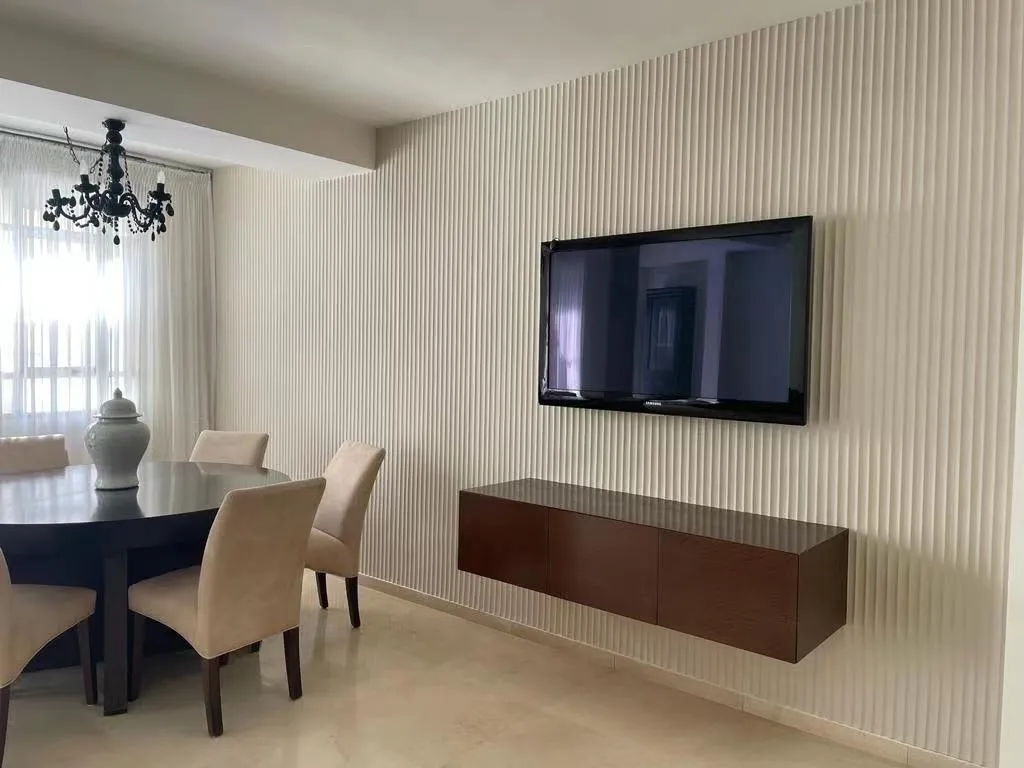
We get it—choosing cladding is a big decision, and you want to make sure you're picking the best option for your project. To help, we've put together a comparison of MCM flexible cladding stone wall panels with other popular exterior materials, focusing on insulation and key performance factors:
| Material | Insulation Value (R-Value per inch) | Weight (kg/m²) | Installation Time | Expected Lifespan | Maintenance Needs |
|---|---|---|---|---|---|
| MCM Flexible Cladding Stone Panels | 2.5-3.0 (excellent) | 3-5 (very light) | Fast (200+ m²/day) | 30+ years | Low (occasional cleaning) |
| Traditional Natural Stone | 0.5-1.0 (poor) | 30-50 (very heavy) | Slow (50-80 m²/day) | 50+ years (but prone to cracking) | High (sealing every 2-3 years) |
| Brick | 0.8-1.2 (fair) | 18-25 (heavy) | Moderate (100-150 m²/day) | 100+ years | Moderate (tuckpointing every 10-15 years) |
| Vinyl Siding | 1.5-2.0 (good) | 1.5-2.0 (light) | Fast (200+ m²/day) | 15-20 years (fades, cracks in extreme heat) | Low (but prone to warping) |
As you can see, MCM panels outperform traditional stone and brick in insulation and installation speed, while offering better durability and design options than vinyl siding. For projects where energy efficiency, aesthetics, and long-term value are priorities, they're in a league of their own.

MCM flexible cladding stone wall panels aren't a one-trick pony. They work wonders in just about every type of building, from cozy homes to sprawling commercial complexes. Here are a few examples of where they've made the biggest impact:
Homeowners are always looking for ways to cut energy costs without sacrificing curb appeal. MCM panels deliver on both. Imagine a suburban home with a stone-like exterior that stays cool in summer, warm in winter, and requires zero repainting. That's the reality with MCM cladding. We've supplied panels for luxury villas in Saudi Arabia, where the desert heat can make indoor temperatures unbearable. After installation, homeowners reported a 25-30% drop in their AC bills—money that stays in their pockets instead of going to utility companies.
Hotels, office buildings, and retail spaces have even more to gain from MCM's insulation benefits. A mid-rise office building in Dubai, for example, replaced its outdated concrete cladding with our MCM panels as part of a renovation. The result? The building's energy consumption dropped by 35%, and tenants reported more consistent indoor temperatures (no more hot spots near windows!). For hotels, the design flexibility is a huge plus—imagine a beachfront resort with cladding that looks like natural sandstone but won't fade in the sun or require constant upkeep. It's a win for guests (who enjoy a comfortable stay) and for hotel owners (who save on energy and maintenance).
Schools, hospitals, and community centers also benefit from MCM panels. These buildings often have large exterior surfaces and high energy needs, making insulation critical. Our mcm flexible cladding stone wall panel solutions have been used in schools across the Middle East, where keeping classrooms cool and comfortable is essential for learning. The panels' durability is another plus—public buildings see a lot of foot traffic, and MCM's scratch-resistant finish holds up to the wear and tear of daily use.
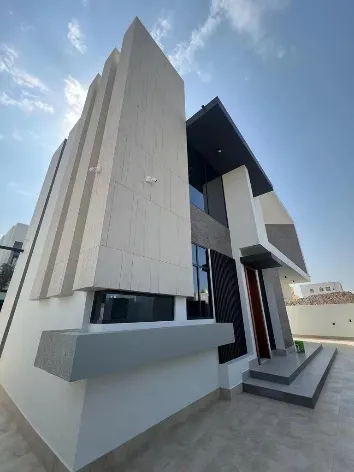
Numbers and specs are great, but nothing beats real-world results. Let's take a look at two projects where MCM flexible cladding stone wall panels made a measurable difference:
A developer in Riyadh wanted to build a high-end residential complex that stood out for both luxury and sustainability. They approached us as their mcm flexible cladding stone wall panel supplier, looking for a solution that would mimic the look of natural travertine (a popular choice in Saudi architecture) but with better insulation. We recommended our travertine-finish MCM panels, installed with a ventilated rainscreen system.
Six months after completion, the developer shared the results: average energy consumption per unit was 28% lower than similar buildings in the area. Residents raved about the consistent indoor temperatures, even during the peak summer months (when Riyadh temperatures hit 45°C+). The developer was so impressed that they've specified our MCM panels for three more projects in the pipeline.
A retail mall in Jeddah was struggling with high energy bills due to its large glass façade and outdated concrete cladding. The mall's management wanted to reduce costs without compromising the building's modern aesthetic. We proposed a hybrid solution: keeping the glass for natural light but adding MCM panels to the non-glass areas (over 10,000 square meters) to improve insulation.
After installation, the mall's HVAC system ran 20% less, resulting in annual energy savings of over $120,000. Shoppers also noticed a difference—surveys showed that 85% of respondents felt the mall was "more comfortable" than before. For a retail space, where customer comfort directly impacts foot traffic and sales, that's a game-changer.
At the end of the day, building materials are investments. You're not just buying a product—you're buying performance, durability, and long-term value. MCM flexible cladding stone wall panels deliver on all three. They reduce energy costs, lower maintenance expenses, and enhance a building's aesthetic appeal. They're lightweight, easy to install, and flexible enough to fit any design vision. And as a mcm flexible cladding stone wall panel supplier, we stand behind our products with industry-leading warranties (up to 20 years) and expert support from design to installation.
If you're tired of choosing between beauty and function, or if you're looking for a way to make your building more energy-efficient without breaking the bank, it's time to consider MCM panels. They're not just a trend—they're the future of architectural façade solutions. After all, why settle for a wall that just looks good when you can have one that works hard for you, too?
Recommend Products











