


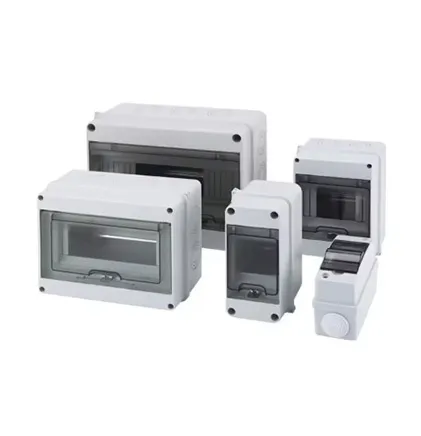
In 2023, a construction site in Riyadh made headlines—not for its towering cranes or record-breaking height, but for something far quieter: its energy meter. The project, a LEED Platinum-certified office complex, was consuming 32% less electricity than similar buildings in the area, even before completion. When engineers dug into the data, the surprise wasn't in the solar panels or double-glazed windows. It was in the electrical distribution boxes tucked away in the basement. These unassuming metal enclosures, often overlooked in grand sustainability plans, were quietly optimizing power flow, reducing waste, and setting a new standard for how buildings use energy from day one.
Today, as countries like Saudi Arabia race to meet their 2030 Vision goals—aiming for 50% renewable energy and net-zero carbon by mid-century—sustainable building isn't just a trend. It's a mandate. But here's the catch: many projects still treat "green" as an add-on, slapping solar panels on a structure designed with outdated, energy-guzzling systems. The result? Wasted potential, higher long-term costs, and missed deadlines for sustainability targets.
That's where one-stop architectural solution providers like Coloria come in. More than just a supplier of building materials, Coloria sees sustainability as a thread that must weave through every stage of a project—from the initial blueprint to the final switch-on. And at the heart of that thread? Smart, energy-efficient electrical systems, starting with the often-underestimated distribution box.










