
Your home isn't just where you live—it's a living, breathing ecosystem that impacts your wallet and our planet. Most people focus on big-ticket items like solar panels when thinking about energy efficiency. Yet, there's a silent revolution happening right at your fingertips: the switches you touch, the sockets that power your life, and the hidden wiring running through your walls.
Did you ever stop to consider that your light switches might be secretly draining your wallet? That innocent-looking outlet charging your phone overnight? It's likely consuming "vampire power"—energy drawn when devices aren't even actively being used. Studies show that standby power accounts for 5-10% of residential energy use. That's like leaving every tenth light in your home on 24/7.
The Invisible Culprit: Traditional switches and sockets often create "phantom loads" where devices pull electricity even when switched off. It's like having invisible energy thieves hiding throughout your home!
Beyond the financial impact, there's an environmental story here too. The Environmental Protection Agency estimates that widespread adoption of energy-efficient switches could eliminate the need for 30 large power plants. That's cleaner air, less greenhouse gas emissions, and a meaningful way to combat climate change starting right from your living room.
Imagine controlling every electrical device in your home from your phone, no matter where you are. That's the reality with smart outlets like the Lutron Caseta system. These WiFi-enabled heroes let you:
A friend recently installed these and cut her energy bill by 15%—just by eliminating vampire power from her entertainment center and office equipment!
Devices like the TP-Link Kasa Smart Plug Mini reveal what you've never seen before: exactly how much power each device consumes. When Mike connected his coffee maker to one, he discovered it used more power "resting warm" than actually brewing coffee! These sockets:
Ever left the pantry light on for hours? Motion-sensing switches like Leviton's Decora Smart Switch eliminate this waste completely. Perfect for:
Commercial buildings using these save up to 30% on lighting costs—and your home can achieve similar savings.
These outlets are perfect for devices that don't need constant power:
One family reduced their electric bill by $20/month just by putting their entertainment system on a timer.
Not just for creating ambiance! Dimming lights by 25% reduces energy consumption by 20%. Plus:
Eaton's USB sockets outperform traditional chargers by cutting power completely once devices are charged. This solves a huge modern problem: 60% of people leave chargers plugged in 24/7, drawing phantom power. These sockets:
These clever power strips automatically detect when main devices (like your TV) turn off, then cut power to peripherals (game consoles, soundbars, streaming devices). They eliminate whole categories of phantom loads at once.
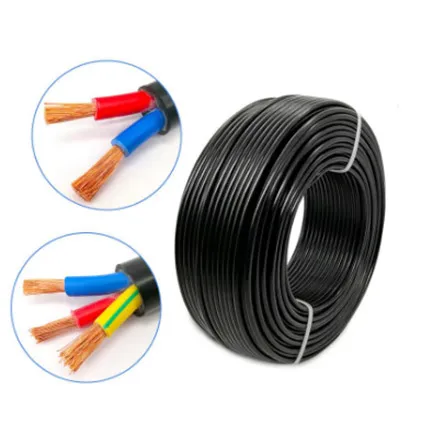
Even the most efficient switches and outlets can't overcome poor infrastructure. This is where low-loss cables transform your energy efficiency:
Think of your home's wiring like arteries—if they're clogged or inefficient, your entire system struggles. Upgrading power cables during renovations or when installing new energy-efficient devices ensures maximum performance from every watt.
Implementing these technologies isn't just simple—it's incredibly affordable considering the long-term savings:
If you're uncomfortable working with electricity, professional installation typically costs $100-200 per outlet/switch—a worthy investment that pays for itself quickly through energy savings.
Most households save 10-20% on electricity bills annually. On average, that's $200-$400 that stays in your pocket each year. Over 10 years, that's potentially $4,000—enough for a dream vacation or significant home upgrades.
If every American home installed just one smart switch, it would save enough electricity to power 100,000 homes for a year. Your decisions matter—reduced carbon emissions start with personal choices that scale collectively.
Energy efficiency upgrades have a 75-90% return on investment at resale. Buyers specifically seek homes with modern, efficient systems—your switches and outlets become selling points.
New devices include surge protection that shields valuable electronics. Modern switches run cooler, reducing fire risks. Motion sensors provide automatic lighting for safer nighttime navigation.
Pro Tip: Pair your switch/socket upgrades with solar panels for maximum impact—these systems work beautifully together!
Your journey toward energy efficiency isn't just about saving money—it's about creating a more comfortable, sustainable home that actively participates in environmental conservation. Every smart switch you install, every efficient outlet you use, every low-loss cable running through your walls contributes to a brighter future. Start small, think big, and let your home become part of the solution.
Do these devices work with all appliances?
Most are compatible with standard household equipment. High-power appliances like dryers may require specialized outlets—always check specifications first. For guidance on integrating these into your specific kitchen setup, consulting with an expert in kitchen appliances ensures optimal performance.
Are motion sensors difficult to install?
Many motion-sensing switches are designed for straightforward installation compatible with standard wiring. However, homes with complex wiring systems benefit from professional installation for flawless operation.
Is the investment truly worthwhile?
Absolutely. While upfront costs range from $20-$50 per switch/outlet, most homeowners recoup this investment through energy savings within 18-24 months. After that, it's pure savings and environmental benefit.
How much can I realistically save?
Most households save 10-20% annually on electricity bills. Combined with LED lighting and mindful usage, 30%+ reductions are achievable—all without sacrificing comfort or convenience.
Recommend Products












