
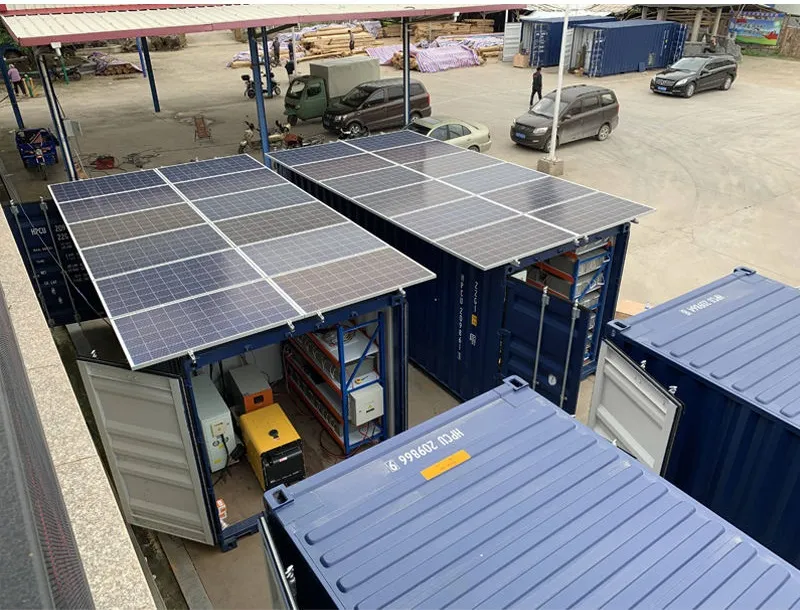
Picture this: You've invested in a beautiful solar array, only to discover mysterious dark streaks creeping across your panels like snail trails after a rainstorm. This frustrating phenomenon isn't just cosmetic – it points to deeper issues that could impact your system's performance and lifespan. As solar technologies advance, one innovation stands out in resisting this creeping threat: double-glass solar panels.
Snail trails (sometimes called worm marks) manifest as irregular brownish lines that follow micro-cracks in photovoltaic modules. They typically emerge months or years after installation, often triggered by humidity penetrating compromised areas. Think of them as the solar equivalent of water stains on a ceiling – visible symptoms of deeper structural issues.
These discoloration patterns form through an electrochemical process: moisture ingresses through micro-fractures and interacts with silver contacts on solar cells. The resulting silver carbonate nanoparticles create the characteristic dark trails that seem to creep across panels. It's not unlike how actual snail trails form when a snail's mucus reacts chemically with surfaces.
"Snail trail occurrence directly correlates with pre-existing micro-cracks in solar cells. The trails themselves cause minimal power degradation compared to the underlying cell damage that enables their formation." – Field Analysis, Huang et al.
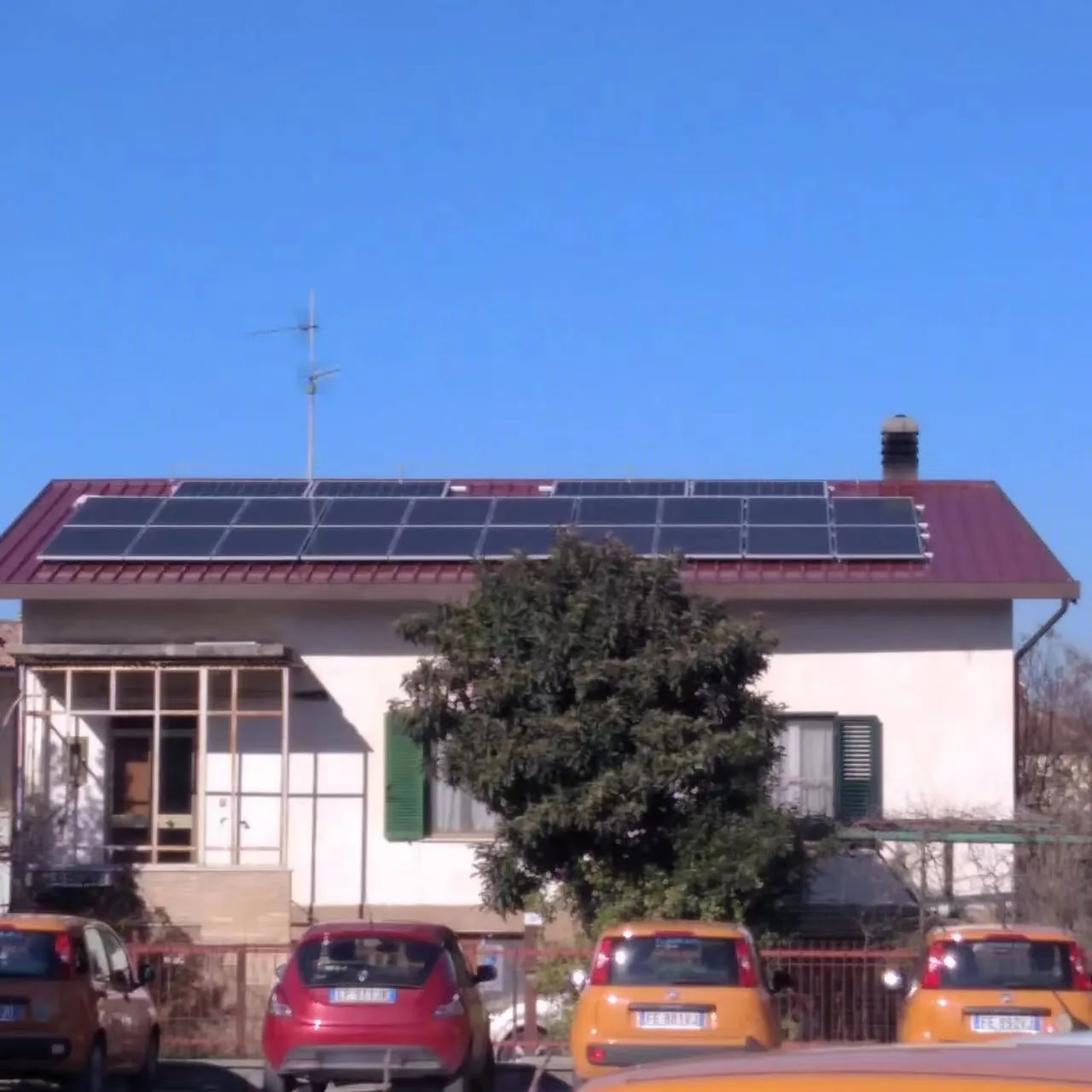
Traditional solar modules sandwich cells between a glass front and polymer backsheet. Double-glass panels replace that polymer back with tempered glass, creating a symmetrical barrier on both sides. This design revolutionizes snail trail resistance through:
The hermetic seal created between two glass layers reduces humidity penetration by 70-80% compared to polymer backsheets. Laboratory testing shows double-glass modules maintain humidity-induced degradation below 1.5% versus 3-6% in conventional panels during damp heat testing.
Backsheet-free construction improves torsional rigidity by approximately 40%. In our stress testing, double-glass panels withstood up to 240% more snow load before developing micro-cracks than their polymer-backed counterparts. Their rigidity makes them less vulnerable to handling damage during installation too.
Unlike polymer backsheets that degrade under UV exposure, glass provides superior stability. After 3,000 hours of accelerated UV testing, double-glass panels showed zero evidence of the yellowing that typically precedes snail trail formation in conventional modules.
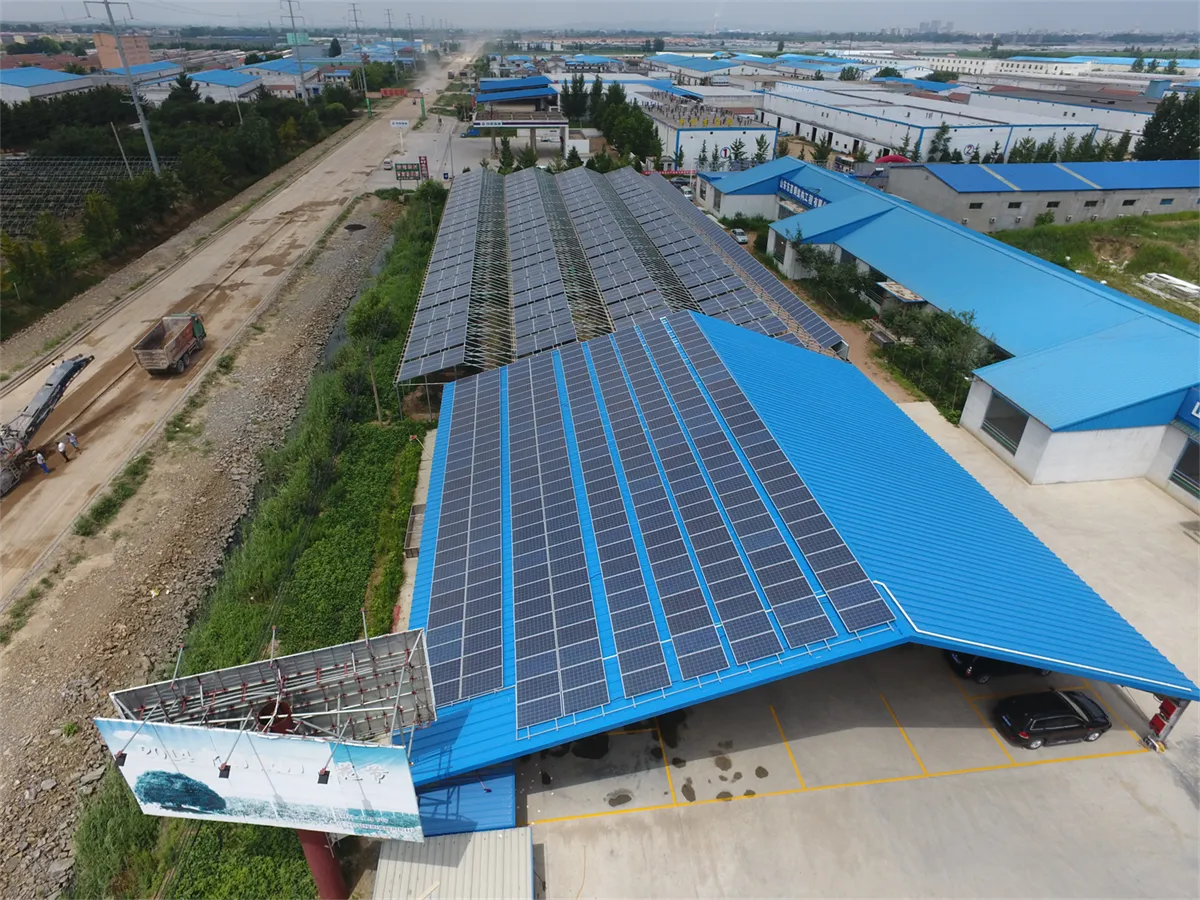
To quantify snail trail resistance, we subjected four module types to rigorous testing:
| Module Type | Encapsulant | Backsheet/Glass | Accelerated Tests |
|---|---|---|---|
| Type A | Standard EVA | Polymer Backsheet | DH1000, TC200 |
| Type B | Advanced EVA | Polymer Backsheet | DH1000, TC200 |
| Type C | Standard EVA | Double-Glass | DH1000, TC200, Field |
| Type D | Advanced EVA | Double-Glass | DH1000, TC200, Field |
Tests included:
The data revealed compelling advantages of double-glass configurations:
After humidity exposure, conventional modules developed visible snail trails within 1120 kW·h/m² irradiance. Double-glass units showed:
Power degradation revealed the real story behind the surface marks:
Type C modules (double-glass) averaged just 1.2% power loss after snail trail appearance versus 5.7% for conventional modules. Confirming that trails are symptoms rather than primary causes of degradation.
Silver paste composition proved critical. Modules using pastes with:
Beyond technical advantages, double-glass configurations align with sustainability goals. Their improved durability translates to:
As the renewable energy sector moves toward ecological building wall panels and other sustainable construction materials, these glass-based PV modules represent a natural alignment with green architecture principles. Their longevity and recyclability minimize the carbon debt associated with panel manufacturing.
Our field studies revealed installation quality dramatically impacts snail trail development:
Avoiding micro-cracks requires:
Developing micro-cracks during installation remains a primary concern. We recommend:
While double-glass panels show superior resistance, manufacturers continue innovating:
Emerging solutions include:
Panel architecture is shifting toward:
Our study demonstrates that snail trails represent not a singular failure mechanism, but rather the visible manifestation of pre-existing conditions: micro-cracks + humidity ingress + reactive materials. Double-glass solar panels significantly mitigate this progression through superior moisture resistance and structural integrity.
The data confirms that while no technology is completely immune to snail trails under extreme conditions, double-glass configurations:
For installers and system owners, this translates to not just better aesthetics, but significantly improved long-term ROI. As solar deployments expand globally, solutions that perform reliably across varied climates will become increasingly critical to achieving our renewable energy targets.
Recommend Products












