
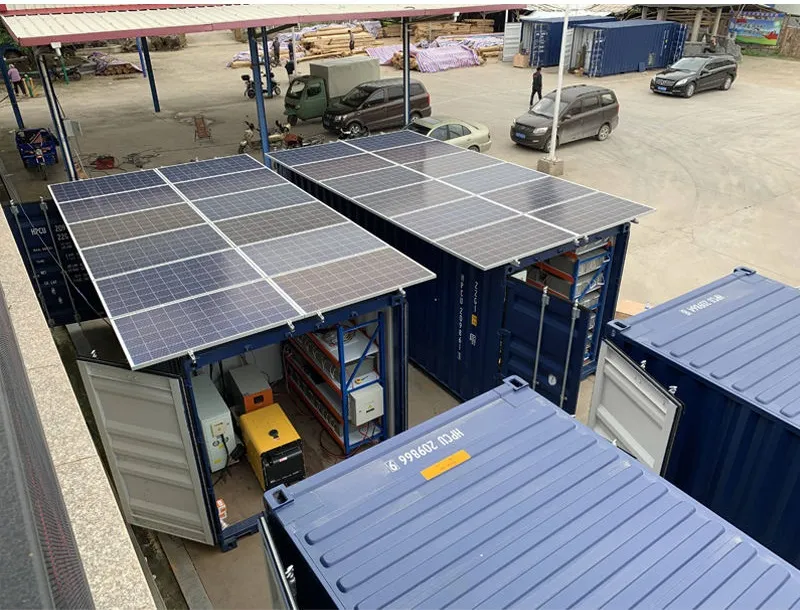
Picture this: solar panels gleaming atop homes in Nairobi, factories in Jakarta, and desert communities in Jordan. We're witnessing something remarkable – a sustainable energy revolution transforming landscapes across the Global South. Yet between the spark of innovation and the reality of installation stands a complex web of certifications that determines which technologies actually reach communities.
Unlike what you might hear at conference keynotes, these certification frameworks aren't bureaucratic obstacles. They're evolving ecosystems reflecting each region's unique environmental pressures, economic ambitions, and social priorities. Over the past five years, we've seen certification standards transform from carbon-copied import rules into sophisticated tools driving quality infrastructure.
In this exploration, we'll decode the landscape you're navigating across three pivotal regions – the tropical innovation hubs of Southeast Asia, the hydrocarbon-transitioning Middle East, and the leapfrogging energy markets of Africa. We'll connect regulatory dots most manufacturers miss, spotlight upcoming changes that will reshape your market access strategy, and reveal how smart certification navigation actually accelerates sustainable energy deployment.
Walk through Singapore's Marina Bay and you'll see architectural marvels crowned with solar arrays that look like natural extensions of the design. This aesthetic integration wasn't accidental – it emerged from Singapore's Green Mark certification that rewards building-integrated photovoltaics. This typifies how Southeast Asia isn't just adopting solar; they're redesigning how it lives within their environments.
Remember Thailand's solar boom of the early 2010s? The backlash against underperforming rooftop installations still stings. Thailand's Industrial Standards Institute (TISI) responded with what seemed like impossibly tough testing protocols. What manufacturers didn't grasp? This wasn't protectionism – Thai engineers were creating humidity resistance benchmarks specifically for monsoon climates that global IEC standards overlooked. Today, meeting TISI's accelerated degradation tests isn't just about market access; it's about proving your technology can withstand 90% humidity for consecutive months without efficiency drops.
️ Practical Tip: Thai regulators openly share that they prioritize manufacturers who submit third-party testing from their certified labs in Bangkok and Chiang Mai versus European facilities. It's worth the extra shipment.
Vietnam presents what many call "the certification paradox." While most markets converge toward standardization, Vietnam maintains separate pathways for utility-scale and rooftop installations. The Ministry of Industry and Trade's QC12:2019 standard dominates large projects with demanding harmonic distortion limits. Meanwhile, rooftop deployments follow Ministry of Construction guidelines emphasizing fire safety – a legacy of high-voltage incidents in Ho Chi Minh City's dense urban corridors.
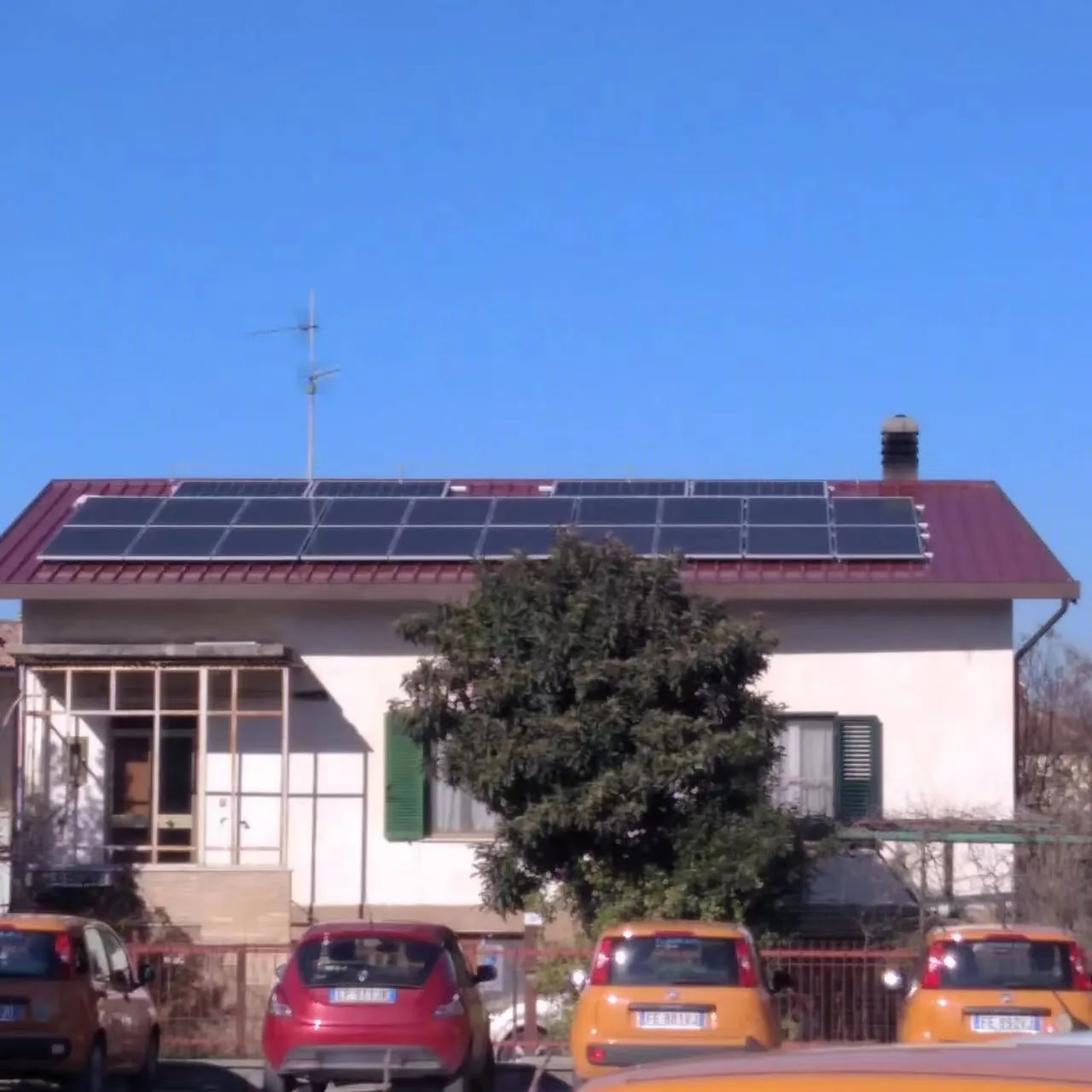
In Dubai's Mohammed bin Rashid Solar Park, rows of panels stretch toward horizons blurred by heat haze. What visitors don't see? The micro-crack detection tests every module undergoes before installation – a response to thermal cycling failures that plagued early desert deployments. Middle Eastern standards feel personal because they emerged from harsh lessons in unforgiving environments.
SASO's recent Solar Energy Systems Technical Regulation (SASO-SES-1000:2021) reads less like dry compliance text and more like an industrial manifesto. Their dust accumulation testing – simulating 18 months of exposure in 3 accelerated weeks – resulted from collaborations between KAUST researchers and nomadic communities reporting "sand-clogged" systems. What truly sets Saudi standards apart? Mandatory performance bonding requiring manufacturers to financially guarantee 25-year outputs, tying certification directly to reliability accountability.
While neighbors focused on heat, Oman's Directorate General for Specifications and Measurements (DGSM) tackled coastal corrosion. Salt spray tests modeled after conditions at Duqm Port now exceed IEC 61701 standards. Manufacturers we've advised learned the hard way: panels passing European salt mist standards failed within months in Oman's super-saturated air. DGSM inspectors specifically examine junction box seals after identifying them as primary corrosion failure points.
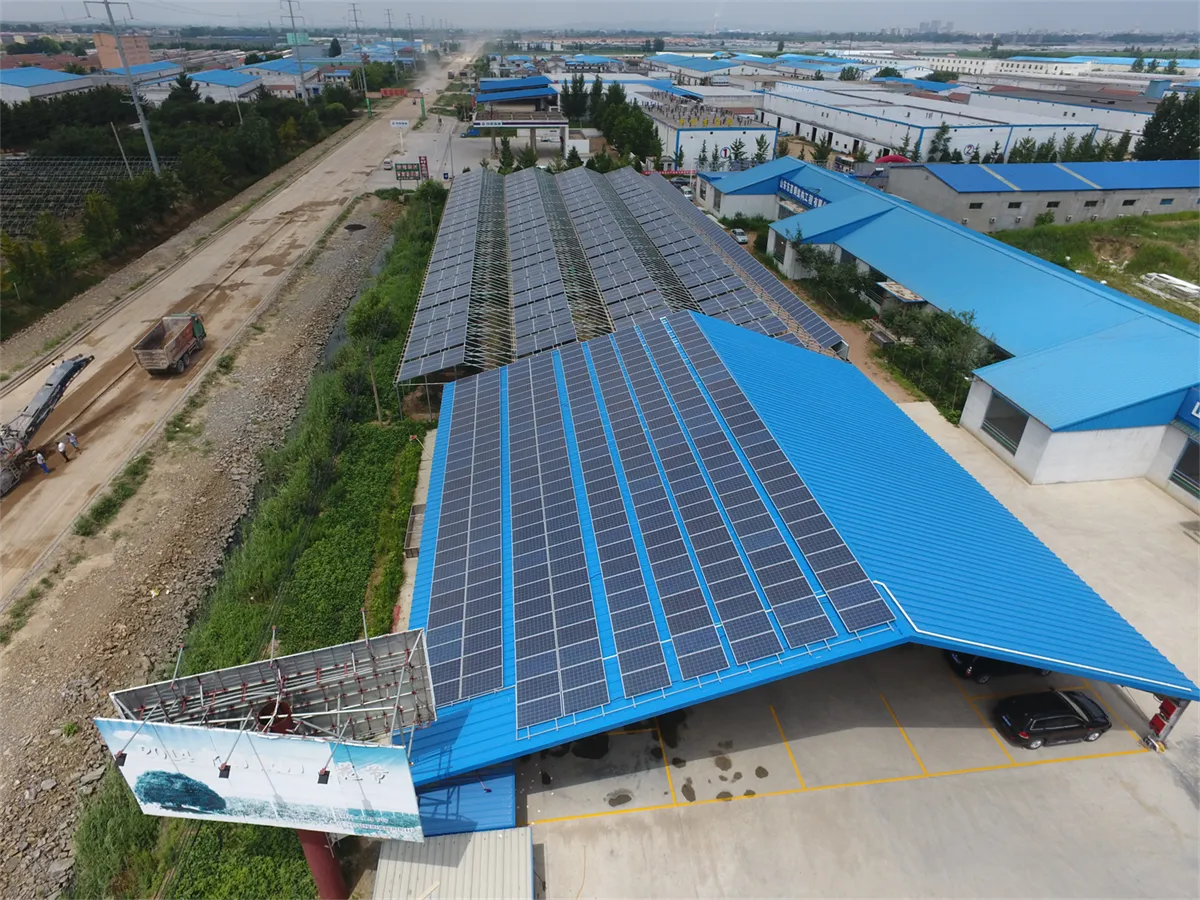
Nothing captures Africa's approach better than a conversation with Kenyan engineer Nzambi Matee: "We're not copying certifications; we're creating the standards our unique conditions demand." Across the continent, certification is shedding its colonial legacy and becoming a development accelerator.
The SABS solar mark emerged from painful experience with counterfeit panels flooding townships. Beyond standard testing, SABS requires forensic supply chain documentation tracking wafers to finished modules. What manufacturers overlook? South Africa prioritizes applicants submitting test data from approved African labs recognizing that test methods must reflect local conditions. Their PID (Potential Induced Degradation) test uses a uniquely formulated concrete dust mixture approximating Johannesburg's airborne particulate matter.
ECOWAS' Regional Off-Grid Electrification Project (ROGEP) pioneered something radical: certification standards co-created with village energy committees. While emphasizing durability fundamentals, these standards reward features end-users prioritize – audible fault alarms for illiterate communities, vibration-resistant mounting for windy Sahel zones, and intrinsically safe connectors preventing children's shocks. Unlike traditional certifications, ROGEP includes installers' toolkits within product certification scope.
Market Insight: Distributors report higher adoption rates for products carrying the ECOWAS "Community Verified" emblem versus IEC-only certifications in West African rural markets. This demonstrates trust matters beyond technical compliance.
Regional standards diverge most dramatically in environmental testing. While Malaysia focuses on tropical deluge simulations mimicking hour-long downpours, Egypt's tests emphasize rapid temperature swing endurance – crucial for panels baking at 60°C then chilled by desert nights. Interestingly, Rwanda's testing now includes high-altitude UV exposure protocols absent in other African nations.
Southeast Asia leads in sophisticated grid support standards. Vietnam and Thailand now require frequency ride-through testing simulating grid fluctuations common in renewable-heavy networks. Meanwhile, Nigerian standards prioritize off-grid system certification as decentralized solutions scale faster than grid infrastructure. This divergence represents fundamentally different electrification philosophies.
| Requirement | Southeast Asia | Middle East | Africa |
|---|---|---|---|
| Temperature Cycling Extremes | 85°C with 95% humidity | 115°C dry conditions | 80°C with dust exposure |
| Unique Safety Focus | Monsoon flashover prevention | Desert fire resistance | Child-safe connectors |
| Documentation Depth | Material traceability | Financial performance bonds | Community verification seals |
| Local Testing Requirements | Thailand/Vietnam mandate | Saudi/UAE prefer local | 50% require African labs |
We're hearing constant chatter about certification harmonization – but is uniformity truly desirable? When Zambia adopted IEC standards wholesale, they unintentionally excluded products perfectly suited for their decentralized markets. Contrast this with Ethiopia's standards which adapted IEC frameworks while maintaining altitude-specific electrical clearances. Harmonization works when it preserves sovereignty over environmental and safety essentials.
The African Electrification Protocol (AEP) offers a promising model: shared foundational safety principles while preserving "national annexes" addressing unique environmental factors. This represents certification not as an end but as a tool to achieve three critical outcomes:
Preventing market flooding with substandard imports that damage consumer trust
Tailoring protections against location-specific hazards like tropical lightning
Using certification to nurture domestic manufacturing capabilities
Malaysia and UAE regulators confirm they're developing embodied carbon limits for solar imports by 2026. Rather than waiting, proactive manufacturers like Trina and Canadian Solar now provide carbon traceability documentation voluntarily, recognizing that low-carbon certification will be tomorrow's market differentiator.
Ghana's Energy Commission shocked the industry by announcing solar standards incorporating mandatory end-of-life recovery requirements starting in 2025. Other African nations are closely watching this evolution toward circular economy certification – a necessary evolution given the solar e-waste projections.
Strategic View: The most progressive regulators now discuss "outcome-based certification" potentially replacing component testing – focusing less on how products are made and more on whether they deliver promised outputs in real-world settings over time.
Sipping coffee in Johannesburg's Maboneng district, SolarWorks manager Thandi Mbatha shared what resonates: "These panels aren't products to us; they're community assets that must survive beyond warranty paperwork." That human truth echoes through certification reforms across emerging markets.
The standards landscape we've navigated – from Vietnam's harmonization efforts to Saudi Arabia's performance bonds – reveal a fundamental shift. Certification frameworks evolving beyond gatekeeping to become:
For developers navigating this terrain, flexibility remains key. As Indonesian standards consultant Arif Wijaya advised me: "The manufacturers who thrive don't just comply with standards – they anticipate how these frameworks will evolve to reflect people's changing needs under the solar systems they certify."
Recommend Products












