When you think about the unsung heroes of modern infrastructure,
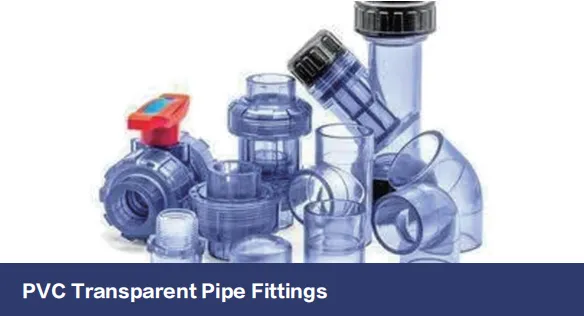
pipe fittings rarely get the spotlight. But these humble components are undergoing a quiet revolution – especially transparent PVC variants. They're no longer just about connecting point A to point B; they're becoming critical enablers in cutting-edge sectors like renewable energy. Their crystal-clear durability is opening doors to innovative applications that traditional opaque pipes could never offer.
The Science Behind Transparency: How PVC Pipes Gained New Vision
Transparent PVC isn't magic – it's materials science at its finest. Unlike standard PVC that gets its opacity from additives and fillers, these see-through versions rely on meticulously engineered polymer chains and clarity-enhancing compounds. This transparency gives engineers and technicians something invaluable:
real-time visual monitoring
capabilities.
Imagine inspecting a geothermal fluid transfer system without opening a single valve or installing complex sensors. That's precisely what transparent PVC enables in renewable energy installations. You can literally
watch
flow rates, spot contamination, and identify air bubbles – turning routine maintenance into a proactive rather than reactive process.
Material Evolution Timeline: From Opaque to Optical Clarity
The journey began in chemical processing plants where operators needed visual confirmation of fluid movement. Today's transparent fittings are:
-
UV-stabilized for outdoor renewable energy applications
-
Enhanced with scratch-resistant coatings for long-term visibility
-
Optimized chemical resistance for diverse fluid transfer needs
These innovations are transforming how we build and monitor energy systems.
Solar Power Revolution: Where PVC Transparency Meets Photovoltaics
Solar farms present unique challenges – massive scale, harsh environmental exposure, and zero tolerance for contamination. Transparent fittings are becoming essential in three key solar applications:
|
Application
|
Challenge
|
PVC Solution
|
|
Coolant Circulation
|
Algae growth in lines reduces efficiency
|
Visual detection allows early intervention
|
|
Mounting Systems
|
Leaks in hydraulic components
|
Immediate visual leak detection
|
|
Water Recycling
|
Sediment accumulation
|
Observe particle buildup without disassembly
|
The
most exciting development
? Pilot projects integrating PVC pipes into solar thermal collectors themselves. The pipes serve dual functions: transporting fluid while distributing light more efficiently across absorber surfaces through their optical properties.
Beyond Solar: Geothermal and Hydropower Innovations
Geothermal's Hidden Advantage
Geothermal systems are notoriously hard on materials – high temperatures, mineral-rich fluids, and constant pressure fluctuations. Transparent PVC fittings are game-changers because:
-
Technicians can visually monitor scale buildup in real-time during operations
-
Air bubble detection prevents pump cavitation damage
-
Instant visual confirmation of fluid color changes indicates corrosion
During installation of a thermal energy storage system, we witnessed how technicians saved nearly 40 hours of troubleshooting simply by observing flow patterns through clear fittings.
Hydropower's Clarity Revolution
Hydroelectric systems suffer when debris enters turbines. Transparent intake pipes enable operators to:
"Spot branch accumulations before they reach critical levels" and "visually confirm the effectiveness of filtration systems without interrupting generation". This seamless monitoring capability reduces maintenance costs while maximizing uptime.
Chemical Processing and Lab Applications
Beyond renewable energy, transparent PVC is transforming chemical transfer where traditional piping systems required:
-
Frequent invasive inspections
-
Expensive sensors for basic monitoring
-
Shorter replacement cycles
Pharma Breakthroughs
In vaccine production facilities, these fittings allow process engineers to visually verify bubble-free fluid transfer – critical for avoiding expensive product contamination. It's like having X-ray vision for your manufacturing process.
Architectural and Design Frontiers
The aesthetics of transparency are opening unexpected markets. Architects now specify clear PVC components for:
|
Application
|
Design Impact
|
Functional Benefit
|
|
Rainwater Harvesting
|
Visible water movement creates visual interest
|
Easy blockage detection
|
|
Living Walls
|
Exposed irrigation becomes design feature
|
Simple maintenance diagnostics
|
|
Thermal Mass Systems
|
Highlight fluid dynamics as kinetic art
|
Performance verification
|
This intersection of function and form represents an entirely new market dimension for PVC pipe technology.
Market Challenges and Future Vision
Despite the promise, hurdles remain:
-
Cost premium versus opaque alternatives
-
Technical limitations for ultra-high pressure applications
-
Industry inertia around adopting new piping standards
However, material scientists are making breakthroughs in
chemical strengthening techniques
that may soon match stainless steel pressure ratings. Simultaneously, manufacturing innovations are bringing costs down by over 20% annually.
The future looks brilliant for PVC transparent
pipe fittings. We're already seeing prototypes that incorporate:
-
Electrostatic antifouling coatings that minimize deposits
-
Self-healing micro-capsules for scratch resistance
-
Nanocomposite reinforcement for extreme conditions
Conclusion: The Clear Path Forward
What began as a niche product for laboratory settings has blossomed into a revolutionary component across renewables and beyond. Transparent PVC fittings offer more than physical connections – they provide
visual connection to vital processes
that power our world. They represent a perfect example of how simple innovations can solve complex challenges across industries.
For engineers designing the next generation of renewable energy systems, these fittings aren't just another component choice; they're becoming the clear solution for operational visibility and reliability. As materials science continues its rapid advance, expect transparency to spread to even more unexpected applications – perhaps even subsurface applications where traditional pipes were truly "out of sight, out of mind."