
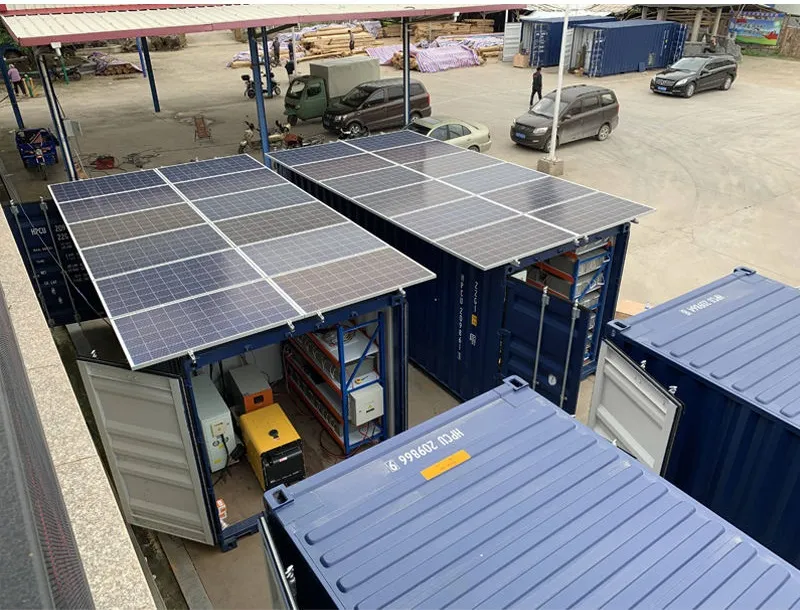
When hurricanes erase power grids, earthquakes shatter infrastructure, or conflicts paralyze communities, darkness isn't just inconvenient—it's deadly. In these fragile moments when hospitals struggle to keep ventilators running, communication networks collapse, and lifesaving medicines spoil without refrigeration, a simple solution is rewriting disaster response: portable solar panel systems. Imagine a technology that arrives silent and self-sufficient, unfolds like a life-saving origami, and becomes an instant lifeline. That's the reality reshaping emergency relief today.
Unlike fuel-guzzling generators that demand constant resupply in compromised terrain, portable solar systems provide clean, autonomous power exactly where it's needed most—medical tents, mobile clinics, water purification sites, and emergency shelters. These rapidly deployable units represent more than temporary fixes; they're turning points in survival.
Disasters create a cruel chain reaction: collapsed infrastructure leads to power failure, which triggers communication blackouts and paralyzes healthcare. The World Health Organization emphasizes that emergency care demands functional medical equipment, refrigeration for vaccines, and lighting for trauma surgery—all requiring reliable electricity. When minutes determine survival, waiting days for conventional power restoration isn't an option.
Consider the brutal math after Hurricane Maria: 95% of Puerto Rico's grid destroyed, dialysis clinics shuttered without power, temperature-sensitive insulin supplies wasted. Or Ukrainian hospitals operating by candlelight during missile strikes, surgeons using cellphone flashlights for amputations. This electricity gap isn't just inconvenient; it directly measures avoidable deaths.
Modern portable solar systems defy expectations. Forget rigid panels requiring trucks—today's solutions include:
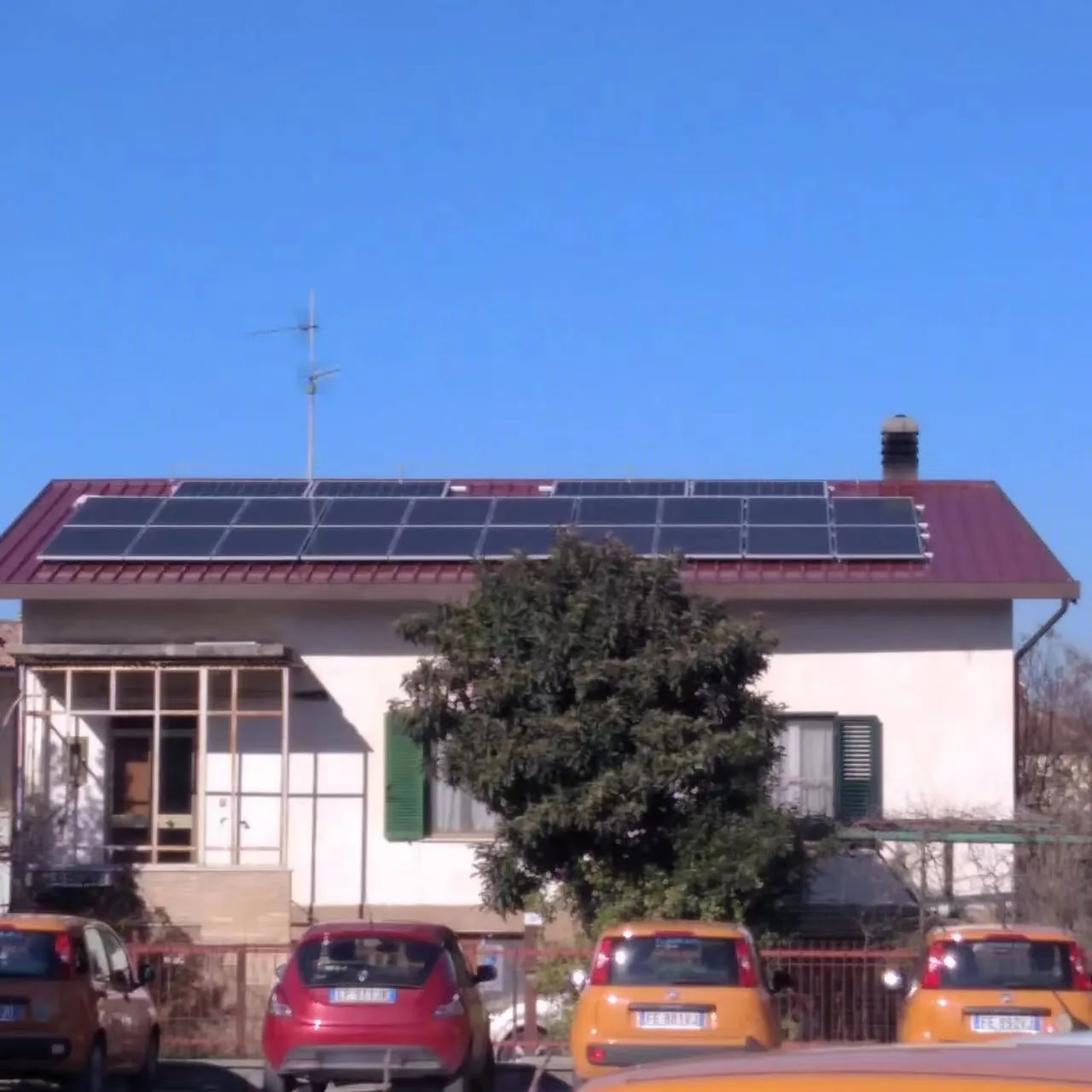
When Category 5 winds obliterated Guiuan's hospital in 2013, Doctors Without Borders arrived to find ruins. Their solution? Solar-powered triage tents equipped with:
The entirely solar-dependent field hospital operated for 14 months, treating 20,000+ patients without grid power—a blueprint for disaster resilience.
Healthcare needs power more than anything except expertise. Portable solar systems enable:
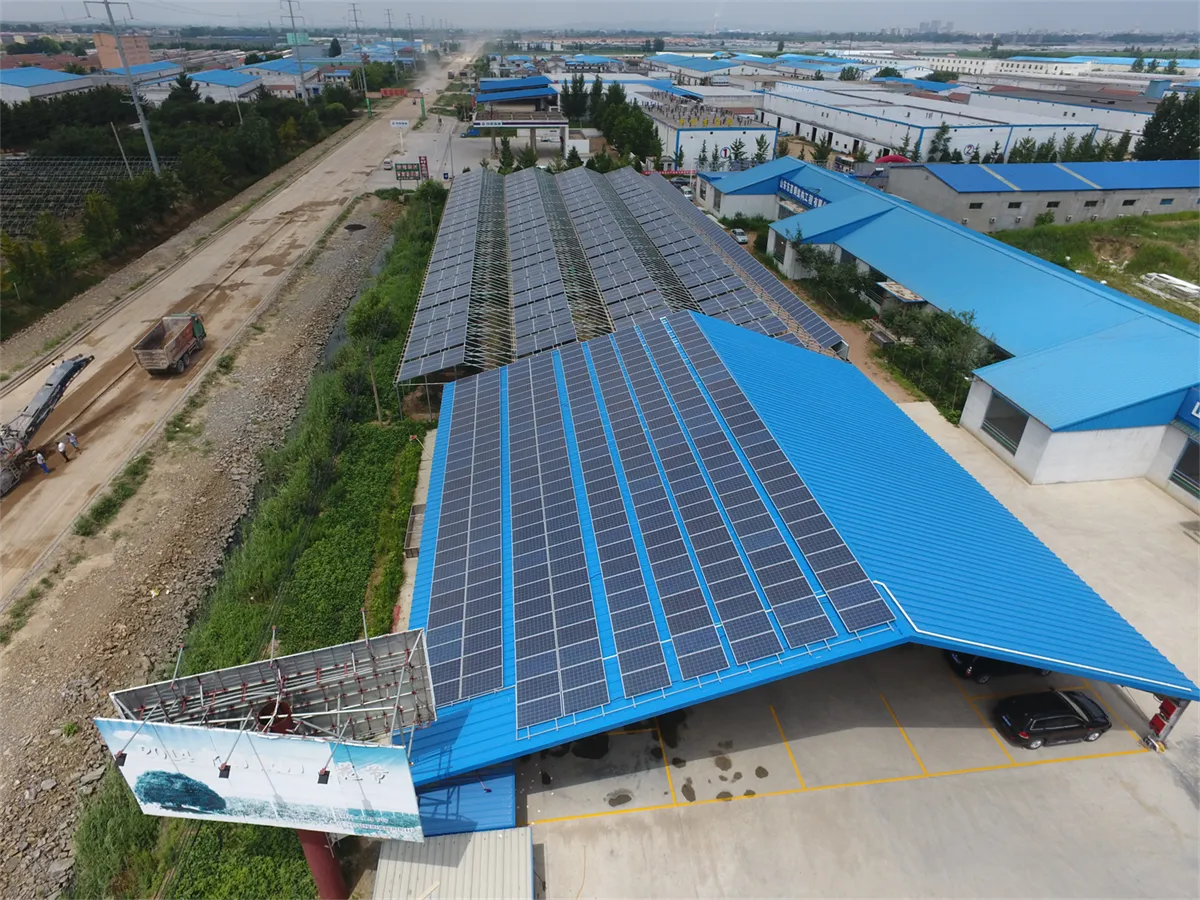
Speed separates effective solar deployment from theoretical potential. Three critical phases:
Smart disaster planning treats portable solar systems like medical stockpiles. Organizations like UNICEF now warehouse containerized "rapid response pods" near seismic/fault zones containing:
Effectiveness relies on local partnerships. In Malawi's Cyclone Idai response, community health workers were trained pre-disaster in solar system assembly. When floods hit, teams deployed 47 solar clinics in remote villages within 72 hours using:
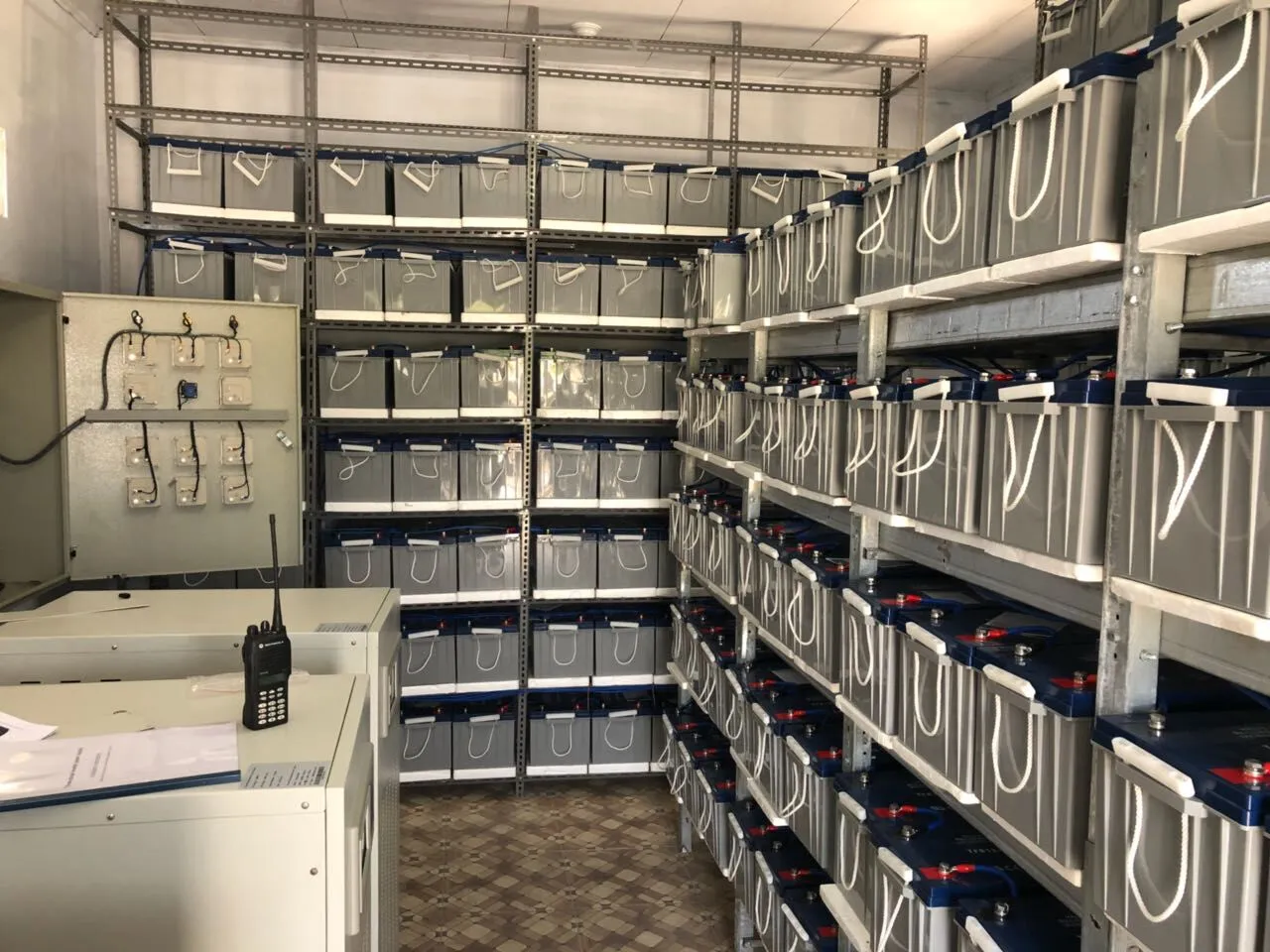
The magic happens when temporary power transitions into community rebuilding:
After Nepal's 2015 earthquake, portable systems initially powered field hospitals. Within months, communities expanded the tech into permanent microgrids powering:
Solar isn't flawless—honest challenges include:
Breakthroughs on the horizon directly tackle these limits:
This revolution needs more than tech—it demands human engagement:
When Haiti's 2021 earthquake struck, innovations like the Solar Electric Light Fund's mobile units reached rural clinics before fuel shipments arrived, proving portable solar isn't just supplementary—it's foundational to modern disaster response. These systems represent more than electricity; they bring order to chaos, connect doctors to patients, and transform survivability into dignity.
In an era of intensifying climate disasters, portable solar solutions deliver more than kilowatts—they deliver hope in the precise moments when communities need it most. Every folding panel, every compact battery bank, every solar-powered water pump represents another weapon against the most savage arithmetic disasters impose: that technological helplessness equals lives lost. Here, sunlight becomes salvation.
Recommend Products












