
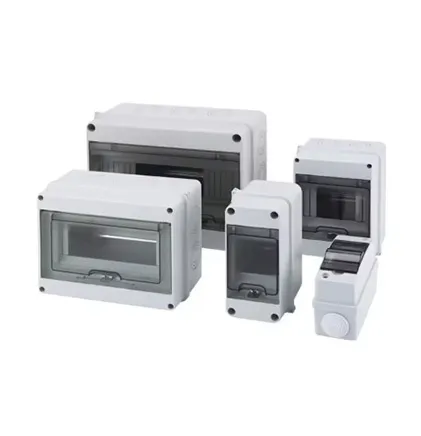
When it comes to keeping our homes safe, we often think about locked doors, window guards, or baby gates. But there's one unsung hero that quietly protects our families every day—the electrical distribution box. You might know it as the "fuse box" or "breaker box," that metal or plastic cabinet tucked away in a utility room, garage, or hallway. It's not the most glamorous part of a home, but it's the heart of your electrical system, controlling power flow to every outlet, light, and appliance. And if you have little ones running around, making sure this box is child-safe isn't just a good idea—it's a necessity.
Kids are naturally curious. They'll poke their fingers into sockets, yank on cords, and yes, even try to open that mysterious box with all the switches. According to safety reports, electrical accidents involving children happen more often than we'd like to admit, and a poorly secured distribution box is a hidden risk. That's why choosing a child-safe distribution box isn't just about preventing power outages—it's about protecting the tiny hands and curious minds in your home.
Let's start with the basics: What does a distribution box actually do? Think of it as the traffic cop of your home's electricity. It takes the main power supply from the grid and splits it into separate circuits for different areas of your home—kitchen, living room, bedrooms, etc. Each circuit has a breaker (or fuse) that shuts off power if there's an overload, like when you plug too many devices into one outlet. That's why when your toaster and microwave are running at the same time and the power cuts out, you head to the distribution box to flip the switch back on.
But here's the thing: Most standard distribution boxes aren't designed with kids in mind. Their doors might be flimsy, with simple latches that a determined toddler can pry open. The switches or breakers inside are often exposed, and if a child messes with them, they could accidentally cut power to critical areas (like the fridge, where your food is spoiling) or worse, touch live parts and get shocked. Even if the box is mounted high, kids climb—so "out of reach" isn't always enough.
A child-safe distribution box, on the other hand, is built to keep little explorers out while still letting adults access it easily. It's the kind of peace of mind that lets you relax when your kid is playing nearby, knowing that box isn't a hazard waiting to happen.
Not all distribution boxes are created equal. When shopping for one (or upgrading your existing), look for these child-friendly features. They'll make a world of difference in keeping your home safe:
The first line of defense is a door that's hard for kids to open. Forget those flimsy plastic latches—opt for a box with a
Even if a child somehow gets the door open, the inside should be safe. Look for boxes where the breakers or fuses are covered by a secondary insulated panel. This way, there are no exposed metal parts or live wires within reach. Some high-quality boxes also have shuttered outlets or recessed breakers, making it impossible for little fingers to touch anything dangerous.
This might not seem like a child-safety feature, but trust us—it is. When your power goes out, you don't want to be fumbling in the dark, flipping switches randomly. Clear labels (like "Kitchen Lights," "Living Room Outlets") mean you can quickly find the right breaker without leaving the box open longer than necessary. The less time the door is open, the less chance a curious kid will wander over.
Kids don't just touch—they hit, kick, and sometimes even try to climb. A flimsy plastic box might crack or break under rough play, exposing internal components. Choose a box made from
Some advanced models come with tamper alerts—like a small alarm or a visible indicator if the door has been opened. This is especially useful if you have older kids who might be tempted to "experiment" with the breakers. You'll know right away if someone's been messing with the box, so you can address it before it becomes a problem.
Now that you know what features to look for, how do you pick the best one? It's not just about safety—you also need a box that fits your home's electrical needs. Here's a step-by-step guide to making the right choice:
Start by figuring out how much power your home uses. A small apartment might only need a 100-amp box, while a larger house with multiple appliances (think AC units, electric ovens, smart home devices) might require 200 amps or more. If you're not sure, ask an electrician to do a load calculation. Choosing a box with enough capacity prevents overloading, which is a safety hazard for everyone, kids included.
Not all boxes meet the same safety standards. Look for certifications like UL (Underwriters Laboratories) or CE (Conformité Européenne), which mean the box has been tested for electrical safety and durability. A certified box is more likely to have the child-safe features we talked about, like secure locks and insulated interiors.
This is where it pays to go with a trusted
Think about your home's future. Are you planning to add more rooms, install solar panels, or upgrade to smart appliances? If so, choose a distribution box with extra space for additional breakers. It's easier (and cheaper) to install a slightly larger box now than to replace it later when you need more capacity.
| Feature | Standard Distribution Box | Child-Safe Distribution Box (Recommended) |
|---|---|---|
| Locking Mechanism | Basic latch or no lock | Keyed lock or child-resistant twist lock |
| Internal Protection | Exposed breakers/fuses | Insulated panel covering breakers |
| Material | Thin plastic or low-grade metal | Heavy-duty, fire-resistant steel/plastic |
| Labeling | Generic or no labels | Clear, pre-printed or customizable labels |
| Tamper Alerts | None | Optional alarm or indicator |
Even the best child-safe distribution box won't work if it's installed incorrectly. Here's what you need to know about setup and upkeep:
Installing or replacing a distribution box is not a DIY project. Electrical work is dangerous, and a mistake could lead to fires, shocks, or even death. A licensed electrician will ensure the box is wired correctly, grounded properly, and mounted at a safe height (at least 4 feet off the ground, so it's out of easy reach for small kids but still accessible for adults).
Don't store toys, cleaning supplies, or other items in front of the distribution box. Not only does this make it hard to access in an emergency, but it also creates a climbing hazard for kids. Keep the area clean and uncluttered—think of it as a "no-play zone."
Every few months, check that the box's lock is working properly. Make sure it latches securely and that you can open it easily with the key or combination. If the lock is sticky or loose, get it repaired right away—you don't want it jamming when you need to reset a breaker.
As kids grow, talk to them about why the distribution box is off-limits. Explain that it's not a toy and that messing with it can cause power outages or hurt them. Knowledge is power—literally! When kids understand the risks, they're more likely to stay away.
When it comes to something as important as your home's electrical system, you don't want to cut corners. That's where a reliable
Look for a supplier that offers a range of products, from distribution boxes to
Sustainability is another factor to consider. Many modern electrical suppliers are focusing on green solutions, like energy-efficient breakers or recyclable materials. Choosing an eco-friendly distribution box not only helps the planet but can also lower your energy bills over time. It's a win-win for your family and the environment.
Your home should be a place where your kids can explore, play, and grow without fear. A child-safe electrical distribution box might not be the most exciting home improvement, but it's one of the most important. It's a small investment that protects your family from electrical hazards, gives you peace of mind, and ensures your home's electrical system runs smoothly for years to come.
So, take a few minutes to check your current distribution box. Is it secure? Does it have the features we talked about? If not, it might be time for an upgrade. And when you do, remember to choose a reputable supplier—one that prioritizes safety, quality, and customer satisfaction. After all, your family deserves the best protection, and that starts with the heart of your home's electrical system.
At the end of the day, keeping your kids safe isn't just about baby gates and outlet covers. It's about paying attention to the little things—the hidden parts of your home that work behind the scenes to keep everyone protected. A child-safe distribution box is one of those things, and it's worth every penny.
Recommend Products












